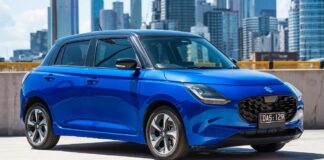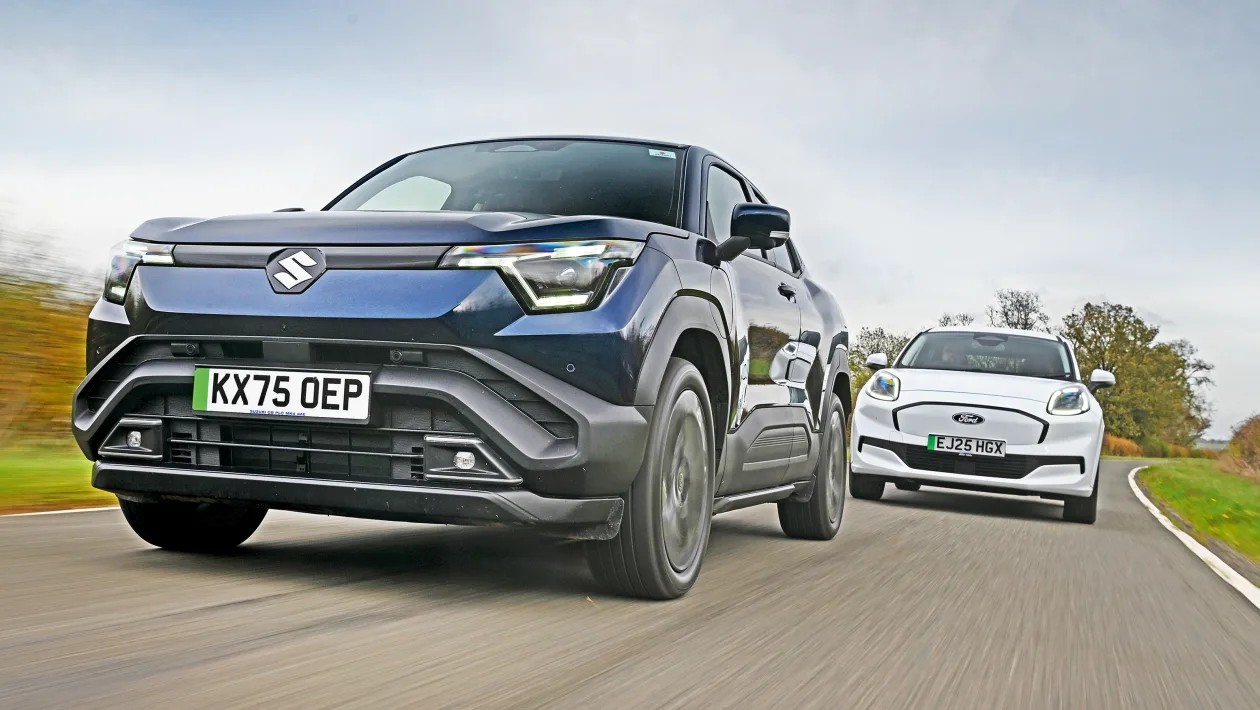
The race to electrify is heating up, with Suzuki joining the fray with its e Vitara. However, the Ford Puma Gen-E emerges as the stronger contender, offering superior efficiency, tech, and practicality, despite both vehicles competing aggressively on price. This head-to-head comparison reveals why Ford’s offering currently leads in the increasingly crowded small electric SUV market.
Зміст
Market Pressure Drives EV Adoption
Carmakers face growing pressure from tightening emissions laws, forcing them to electrify their lineups. Suzuki, a relative latecomer, has responded with the e Vitara, though it shares more DNA with Toyota’s upcoming Urban Cruiser than its gasoline sibling. This move highlights the industry trend of collaborative development to accelerate EV production.
Pricing and Incentives: A Key Battleground
Both vehicles start around £27,000 after government grants, making them competitive. Suzuki matches this with a £3,750 discount, while Ford includes five years of complimentary servicing. This aggressive pricing underscores the importance of affordability in driving EV adoption.
Performance and Efficiency: Ford Takes the Lead
The Ford Puma Gen-E delivers 4.4 miles per kWh, significantly outperforming the Suzuki e Vitara’s 2.7 miles per kWh. This translates to real-world range advantages, making the Ford a more efficient choice for daily use. The Puma Gen-E also has a faster charging speed, reaching 80% in just 23 minutes with a 100kW charger, compared to the Suzuki’s 45 minutes with a 150kW charger.
Tech and Comfort: Ford’s Edge
Ford’s infotainment system is praised for its user-friendliness, with clear graphics, permanent climate controls, and easy access to key functions. In contrast, Suzuki’s system is criticized for its slow animations and frustrating menus. The Puma Gen-E also offers optional advanced driver-assistance features, including BlueCruise semi-autonomous driving tech, further setting it apart.
Practicality: Space Where It Matters
The Ford Puma Gen-E boasts 556 liters of boot space, far exceeding the Suzuki e Vitara’s cramped 306 liters. This makes a substantial difference for families or those needing to carry larger loads. Despite the Suzuki’s slightly better rear passenger space, the Ford’s overall practicality is superior.
Ownership and Reliability: Ford’s Peace of Mind
Both cars offer a standard three-year warranty, but Ford includes five years of complimentary servicing, roadside assistance, and online services. While Suzuki offers an extended warranty option with paid service packs, Ford’s bundled package provides greater value upfront.
Verdict: Ford Puma Gen-E Remains the Superior Choice
The Ford Puma Gen-E decisively outperforms the Suzuki e Vitara in key areas: efficiency, tech, practicality, and long-term ownership costs. While the Suzuki offers a competitive price and four-wheel-drive options, the Puma Gen-E’s superior overall package makes it the better choice for most buyers. The Gen-E’s refinements and strong performance solidify its position as a leading small electric SUV.