


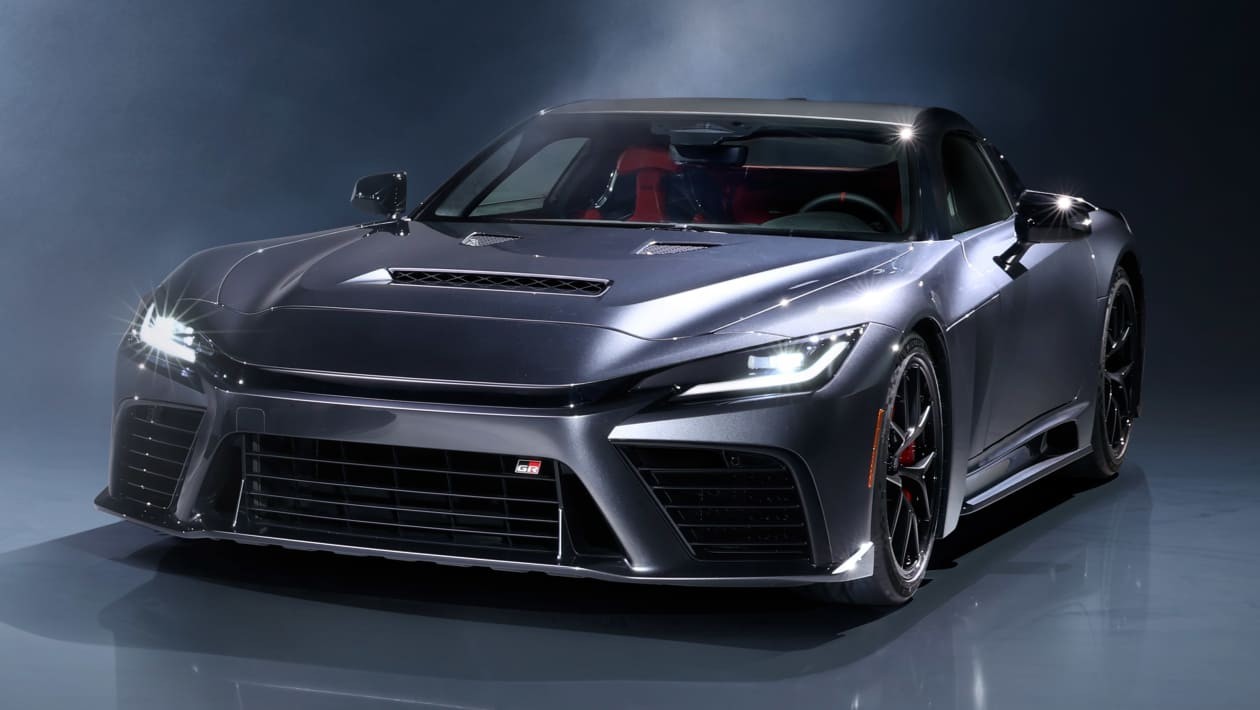
Toyota is re-entering the high-performance arena with the GR GT, a new V8-powered supercar designed to compete directly with established rivals like the McLaren Artura, Mercedes-AMG GT, and Porsche 911 GT3. This isn’t just a road car; Toyota has simultaneously developed a GT3 racing version, signaling a serious commitment to both track and street performance.
Зміст
Engineering from the Ground Up
The GR GT represents a comprehensive overhaul in Toyota’s approach to high-performance vehicles. Unlike incremental upgrades, the entire project—from the engine to the chassis and drivetrain—was conceived from scratch. The chassis utilizes aluminum construction with large-scale castings to maximize stiffness while minimizing weight. Carbon fiber-reinforced plastic (CFRP) panels further reduce mass, though the GR GT avoids the extreme carbon-fiber monocoque approach of the Lexus LFA, aiming for a more accessible price point.
The suspension is a double-wishbone design at all four corners, optimized for a low ride height. Brembo carbon-ceramic brakes and 20-inch wheels complete the rolling chassis.
Power and Drivetrain Details
At the heart of the GR GT is a bespoke 4.0-liter cross-plane V8 engine with twin turbochargers mounted within the cylinder banks (“hot-vee” configuration). This setup ensures compact packaging and efficient exhaust flow. A dry-sump lubrication system allows the engine to sit low in the chassis, improving the car’s center of gravity.
Power is sent to the rear wheels via a hybrid transaxle that incorporates an electric motor, a limited-slip differential, and an eight-speed automatic transmission with a wet-clutch setup. The electric motor assists in reducing turbo lag and provides an additional boost of power and torque. Toyota hasn’t detailed the battery size, but it appears geared towards performance rather than extended electric range.
Performance Figures and Dimensions
The GR GT delivers a peak output of 641 horsepower and 850 Nm of torque. Despite its large dimensions (4,820mm long, 159mm taller than a Mercedes-AMG GT 63 S E Performance), Toyota is targeting a maximum weight of 1,750kg, making it competitive with hybrid-assisted rivals. The weight distribution is also impressive, at 45-55 front-to-rear.
Design and Interior Focus
The GR GT’s design prioritizes functionality over pure aesthetics. The long bonnet and short tail are dictated by the front-mid engine layout. Aerodynamics are efficient, with a top speed of 198 mph indicating minimal drag. The interior follows the same philosophy, with a restrained layout focused on driver visibility and control.
The cockpit features a unique steering wheel with driving mode controls, a digital display behind the wheel, and a simple touchscreen interface. Recaro carbon-framed bucket seats provide secure support. Luggage space is limited due to the transaxle layout, but some interior storage is available.
The development of the GT3 race car has directly influenced the design, ensuring that form follows function. Toyota has chosen a pragmatic approach, with no intricate aerodynamic elements or flashy styling gimmicks.
Conclusion: The Toyota GR GT represents a serious contender in the supercar segment. By engineering a bespoke platform from the ground up, Toyota has created a high-performance machine that blends power, efficiency, and track-focused design. While pricing and availability remain unknown, the GR GT signals a bold new chapter for Toyota’s performance division.


