Понад два десятиліття Suzuki виробляє неймовірно стійкий V-подібний двигун об’ємом 645 куб.см, який не піддається запланованому старінню. У той час як інші виробники женуться за новітніми технологіями, Suzuki дотримується того, що працює, пропонуючи доступний надійний двигун, який сподобається водіям будь-якого рівня. Це не просто впертість; Це розумний бізнес-хід, який підкреслює перевірену довговічність і економічну ефективність двигуна.
Зміст
Двигун, який не хоче вмирати
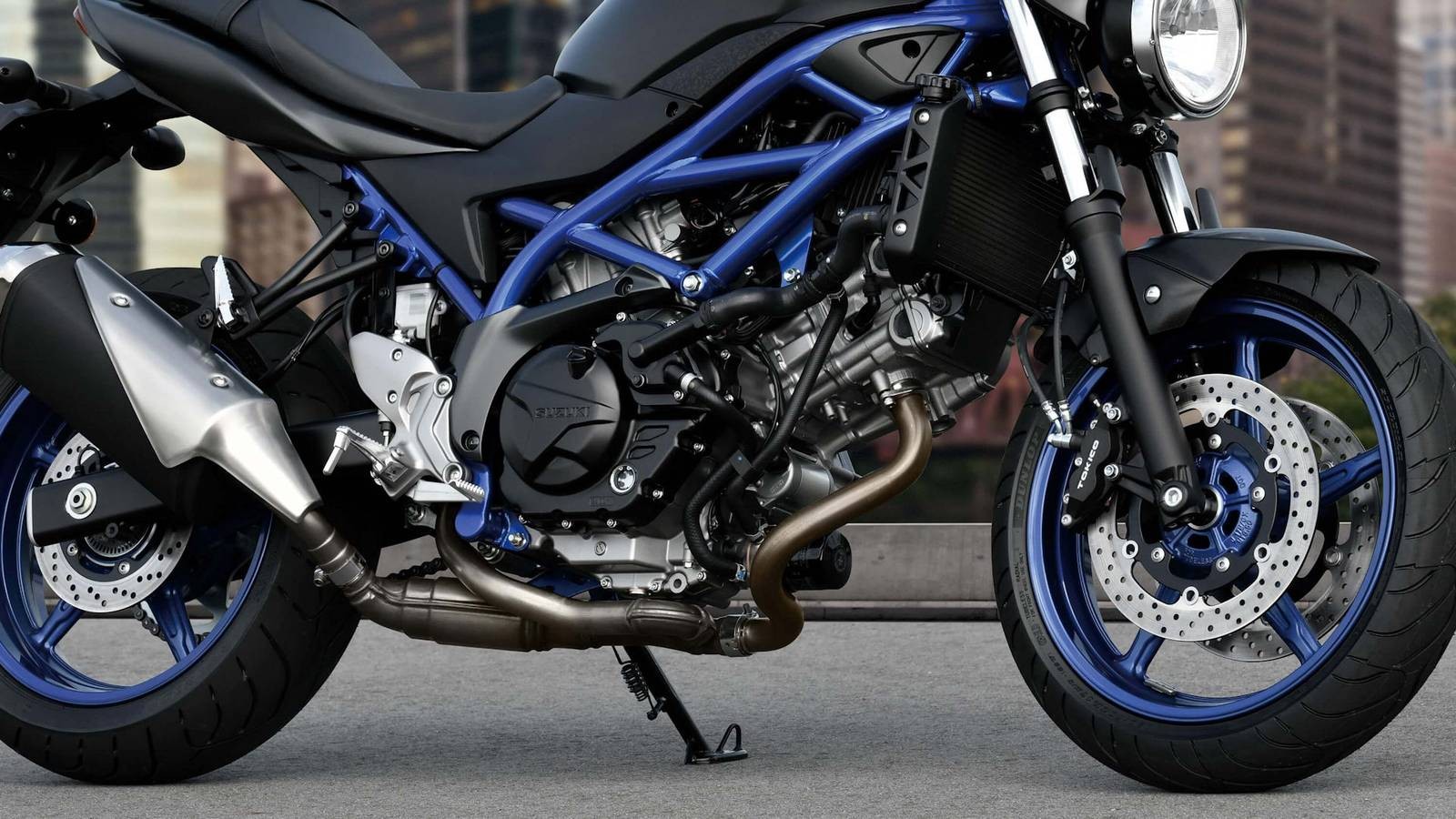
V-подібний двигун Suzuki — це не якийсь екзотичний високопродуктивний шедевр. Це 645-кубовий розгорнутий двигун (діаметр циліндра 81 мм, хід поршня 62,6 мм), який видає від 64 до 75 кінських сил. Його сила – його простота. На відміну від більш складних конструкцій, цей двигун рідко катастрофічно виходить з ладу; більшість проблем, про які повідомляють власники, пов’язані з відсутністю технічного обслуговування.
Ця довговічність не випадкова. Suzuki постійно оновлює двигун, щоб він відповідав мінливим екологічним стандартам, включаючи суворі норми Euro5+, доводячи його адаптивність і відповідність. Остання ітерація все ще виробляє близько 72 кінських сил, що свідчить про ефективність конструкції.
Універсальність у всіх лінійках моделей
Можливість адаптації V-twin дозволила йому оснащуватися двома різними лініями Suzuki: спортивним SV650 і орієнтованим на пригоди V-Strom 650. SV650, вперше представлений у 1999 році, отримав більш спортивний варіант SV650S із напівобтічником і агресивною позицією. V-Strom 650, випущений у 2004 році, перетворився на потужний пригодницький мотоцикл, який захопив водіїв своєю універсальністю.
Незважаючи на чутки про те, що виробництво V-Strom 650 незабаром буде припинено, SV650 залишиться у виробництві в 2026 році, пропонуючи доступну безкоштовну версію, що нагадує оригінального Ducati Monster.
Чому це важливо
У індустрії, яка рухається швидкими інноваціями, відданість Suzuki цьому двигуну є незвичайною. Це підкреслює тенденцію до дизайну, що базується на вартості, а не до постійного оновлення. V-twin не є новаторським, але він забезпечує надійну продуктивність за конкурентоспроможною ціною. Такий підхід подобається водіям, які віддають перевагу практичності над новизною.
Це також викликає запитання: як довго виробник може зберігати старий дизайн у виробництві? Що станеться, коли інструмент з часом зношується? Відповідь Suzuki чітка: вони продовжуватимуть виробляти його до тих пір, поки буде зберігатися попит.
Цінне майбутнє
Suzuki запускає SV-7GX, нову модель кросовера, яка зберігає V-подібний твін. Цей крок подовжить термін служби двигуна, запропонувавши клієнтам ще більш доступний і захоплюючий досвід їзди. Хоча дехто очікував, що SV-7GX буде оснащуватися новим 800-кубовим паралельним твіном від Suzuki, збереження V-подібного двигуна демонструє прихильність цінності та розуміння того, чого хочуть водії: надійний, доступний двигун, який просто не здасться.
Зрештою, V-twin Suzuki — це майстер-клас довговічності дизайну, який доводить, що іноді найкраща інновація — це не змінювати те, що вже працює.