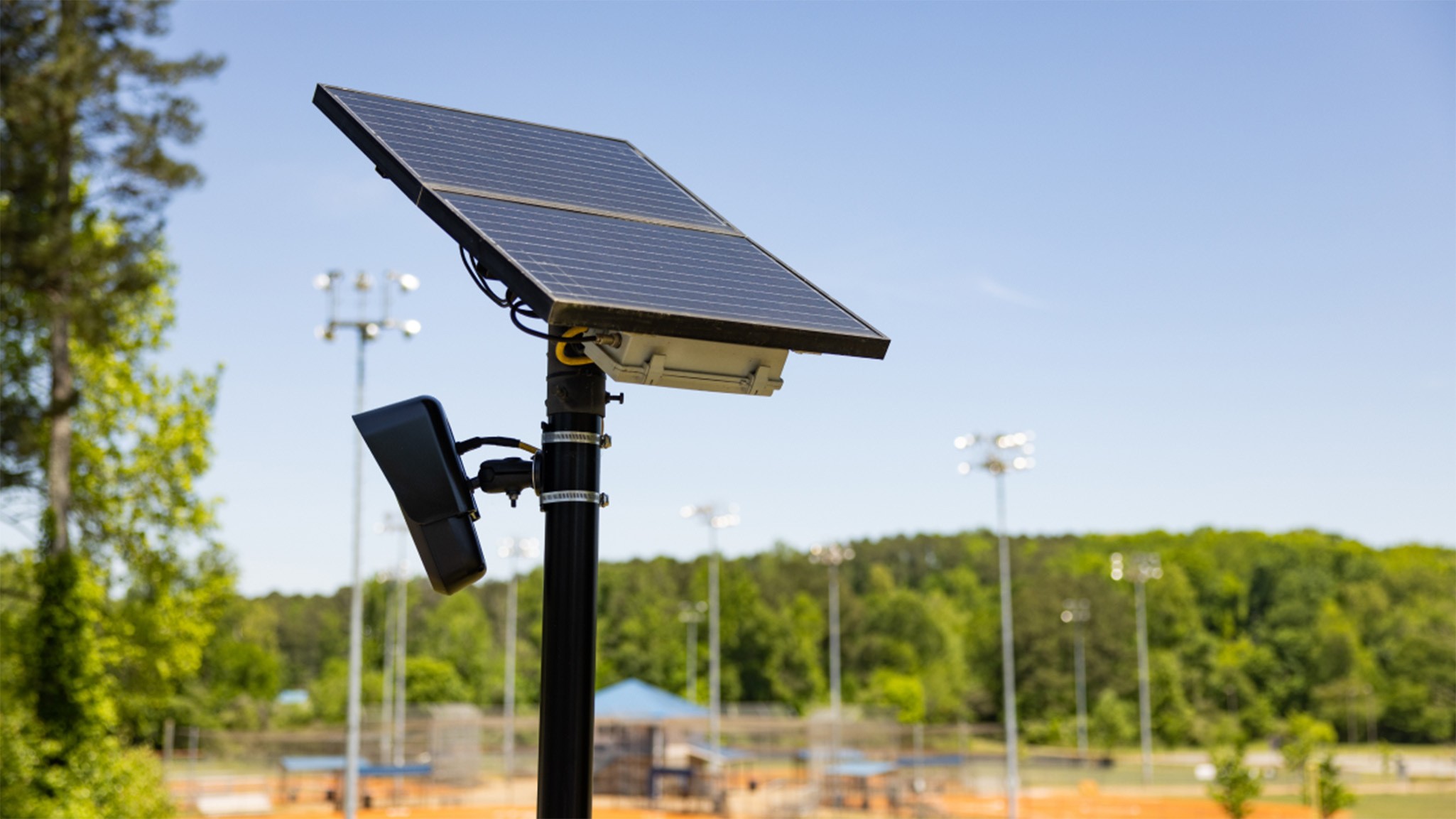
Automatic license plate readers (ALPRs) and other public safety cameras are increasingly logging detailed information about vehicles and drivers, with much of this data accessible online without security measures. A new report from Benn Jordan, working with 404 Media, reveals that systems tied to vendors like Flock Safety are viewable by anyone with the correct web address, allowing real-time and archived footage to be observed without authentication.
The Scope of Surveillance
These cameras don’t just record license plates. They log vehicle types, identifying details like bumper stickers and damage, creating a searchable database of daily driving habits, regardless of criminal activity. This data can be cross-referenced with other publicly available tools to identify individuals, track their movements, and even uncover personal information like addresses and medical history.
Legal and Operational Concerns
The lack of security around this data raises significant concerns. In Texas, Flock Safety is under investigation for operating without the required private investigator license, with its security license briefly suspended due to insurance issues. Experts warn that improperly licensed surveillance could compromise criminal cases and collected vehicle data.
Public Record Concerns
Some jurisdictions, like Washington state, have shut down similar cameras after courts ruled that the collected photos and videos are public record. The core issue isn’t law enforcement tracking criminals; it’s the widespread tracking of everyone with dangerously open access for potential bad actors.
“The balance of privacy versus security has shifted dramatically. What began as a promise of safer streets has become a permanent record of innocent behavior, accessible to anyone.”
The trend suggests a growing imbalance between the stated benefits of surveillance and the actual risks to civil liberties, with minimal justification for the increasingly broad data collection.