


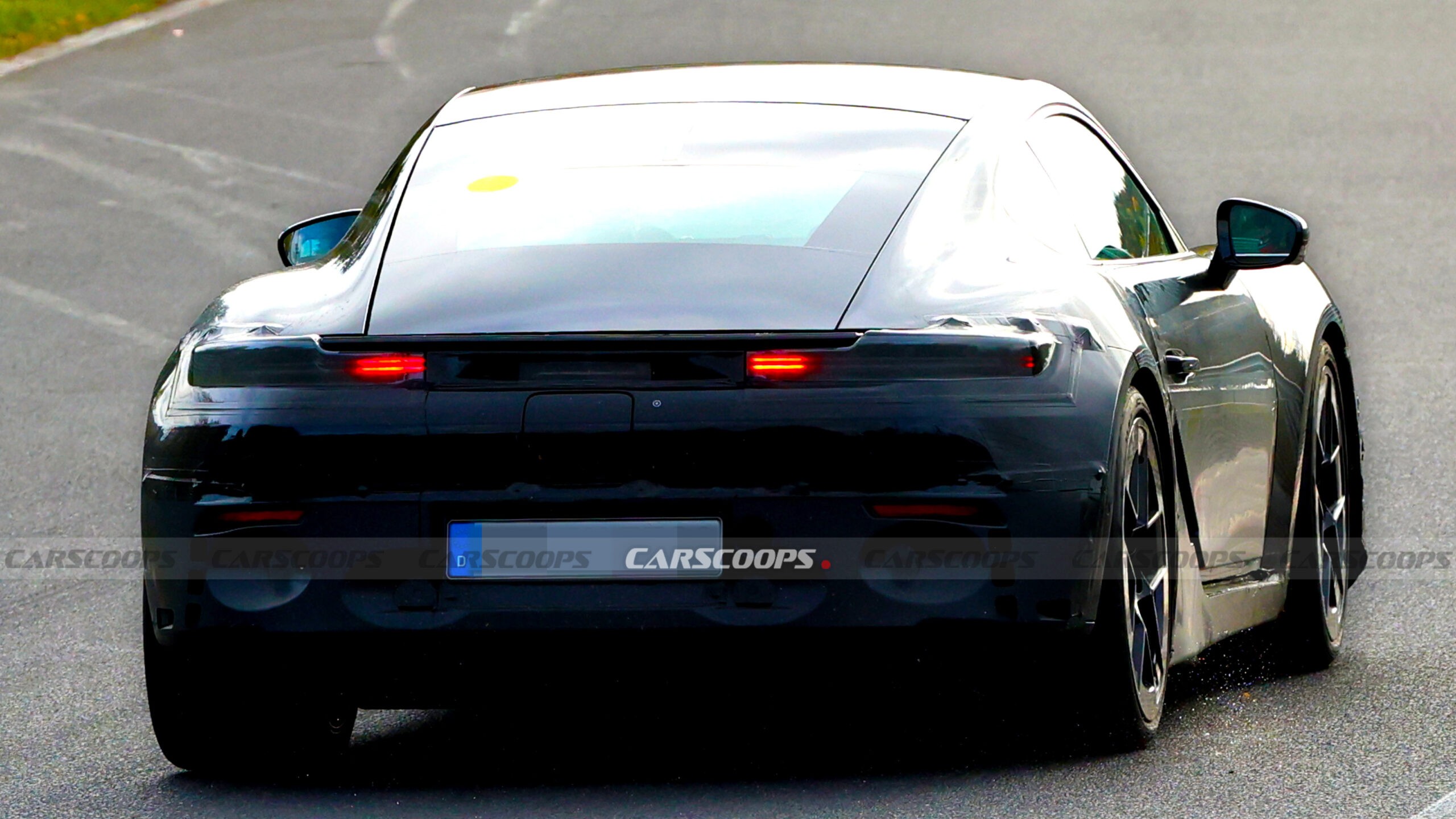
Porsche’s newly appointed CEO, Michael Leiters, may halt the launch of the highly anticipated all-electric 718 Boxster and Cayman models due to escalating development costs and persistent delays. This potential decision marks a significant shift in Porsche’s EV strategy, as the company faces financial pressures and declining sales, particularly in the crucial Chinese market.
Mounting Costs and Strategic Shift
For years, Porsche has invested heavily in the development of electric versions of the 718 series, with the outgoing internal combustion engine (ICE) models discontinued to pave the way for the EV replacements. However, recent reports suggest that Leiters, who took office on January 1, is considering scrapping the electric 718s altogether. This move stems from increasing development expenses and repeated setbacks in production timelines.
The decision is further complicated by Porsche’s recent pullback from its earlier all-electric ambitions. A 26% decline in Chinese sales during 2025 has added pressure to rein in spending. The company is now exploring the addition of plug-in hybrid variants, which would necessitate new architecture and substantial financial investment.
Delayed Production and Market Challenges
The electric 718 models have already faced multiple delays. Initial plans for a 2025 launch have become increasingly improbable due to sourcing issues with high-performance battery cells—exacerbated by the bankruptcy of Swedish manufacturer Northvolt. If the electric models eventually launch, they risk being outdated by the time they reach the market.
Porsche’s financial performance has also suffered, with an estimated €1.8 billion loss in operating profit last year due to the EV strategy shift. New tariffs in the United States and recent market struggles have further complicated matters, leading to Porsche’s removal from Germany’s benchmark DAX index.
The Return of Combustion Engines
Recognizing the challenges, Porsche has already begun to hedge its bets. The company announced in September that flagship versions of the next-gen 718 would include internal combustion engines, with plans for replacements for high-performance models like the Cayman GT4 and GT4 RS. Later, Porsche indicated that combustion options may be expanded across a larger portion of the 718 lineup.
Porsche declined to comment on the “speculation” when contacted by Carscoops, but the internal pressure is clearly mounting.
The electric 718s represent a high-risk, high-reward gamble for Porsche. Given the current market conditions, it’s not surprising that leadership is reassessing its priorities.
In conclusion, Porsche’s potential cancellation of the electric 718 models underscores the volatility of the EV transition. The company’s decision reflects broader industry challenges, including cost control, supply chain issues, and shifting consumer preferences. Porsche’s shift back towards combustion engines highlights the complexities of balancing innovation with financial realities.


