


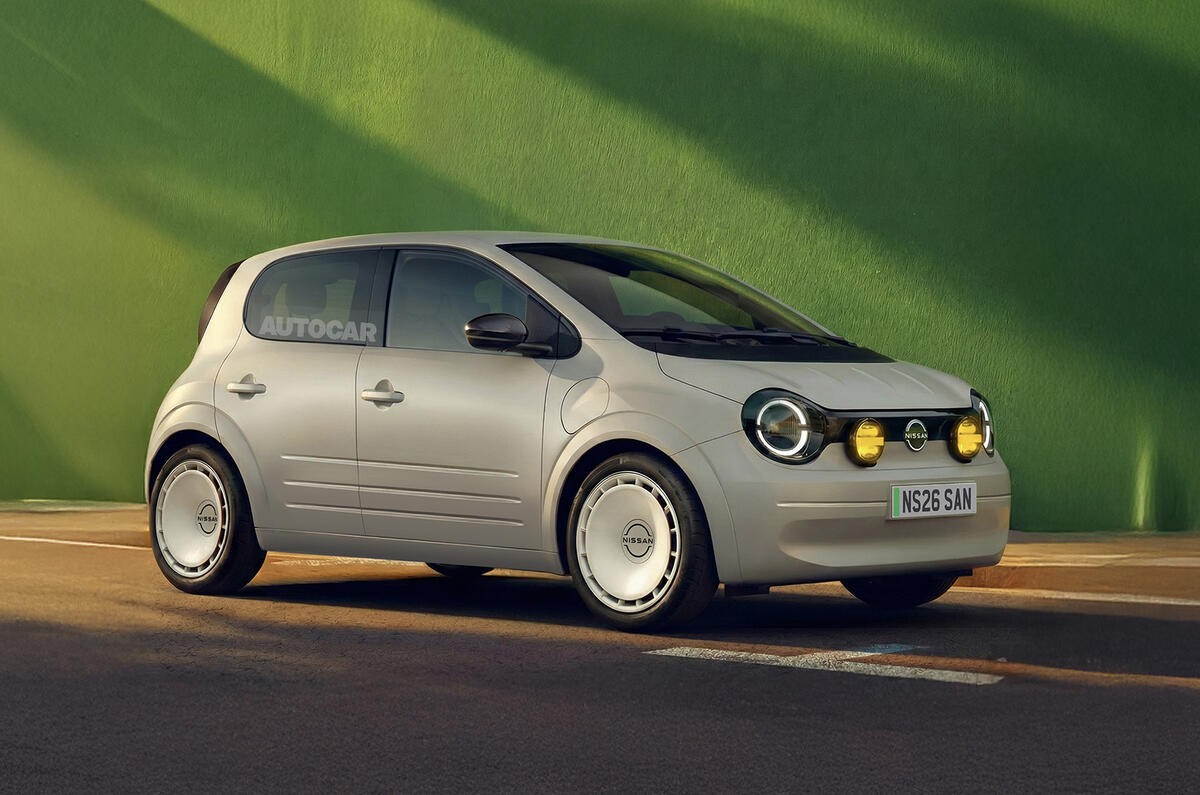
Nissan is strategically refocusing its design language to highlight its Japanese heritage, a move led by its European design chief, Giovanny Arroba. This shift comes as the company seeks to leverage its cultural identity in a competitive global market.
Global Design with a Japanese Core
Arroba, who has experience in Nissan’s US and Japanese design centers, emphasized the importance of regional design hubs like Nissan Design Europe in London. While acknowledging the need for localized designs, he underscored the company’s commitment to drawing inspiration from its Japanese origins.
Nissan operates multiple design studios worldwide, fostering internal competition to enrich design perspectives. This global influence is balanced with a renewed emphasis on Japanese aesthetics, exemplified by the new Nissan Micra EV. The Micra’s styling draws cues from Nissan’s vintage Japanese ‘Pike cars’, signaling a deliberate return to the company’s roots.
Cultural Identity as a Design Advantage
Arroba points out that Nissan’s Japanese identity is now a key differentiator. While the company operates internationally, celebrating its heritage is seen as a competitive advantage.
“To be a car company and to be a Japanese car company, now is a great time to celebrate that and bring that into the product.”
He contrasts this with established design cultures like Germany’s Bauhaus or Italy’s romantic styles, arguing that Japanese design offers a unique blend of charm, wit, technological innovation, and design challenge. This approach is intended to give Nissan vehicles a distinctive character in the global automotive landscape.
Nissan’s decision to reemphasize its Japanese design roots reflects a broader trend in the industry where cultural identity is increasingly recognized as a valuable asset. By leaning into its heritage, Nissan hopes to create vehicles that are not only functional but also culturally resonant, setting them apart in a crowded marketplace.


