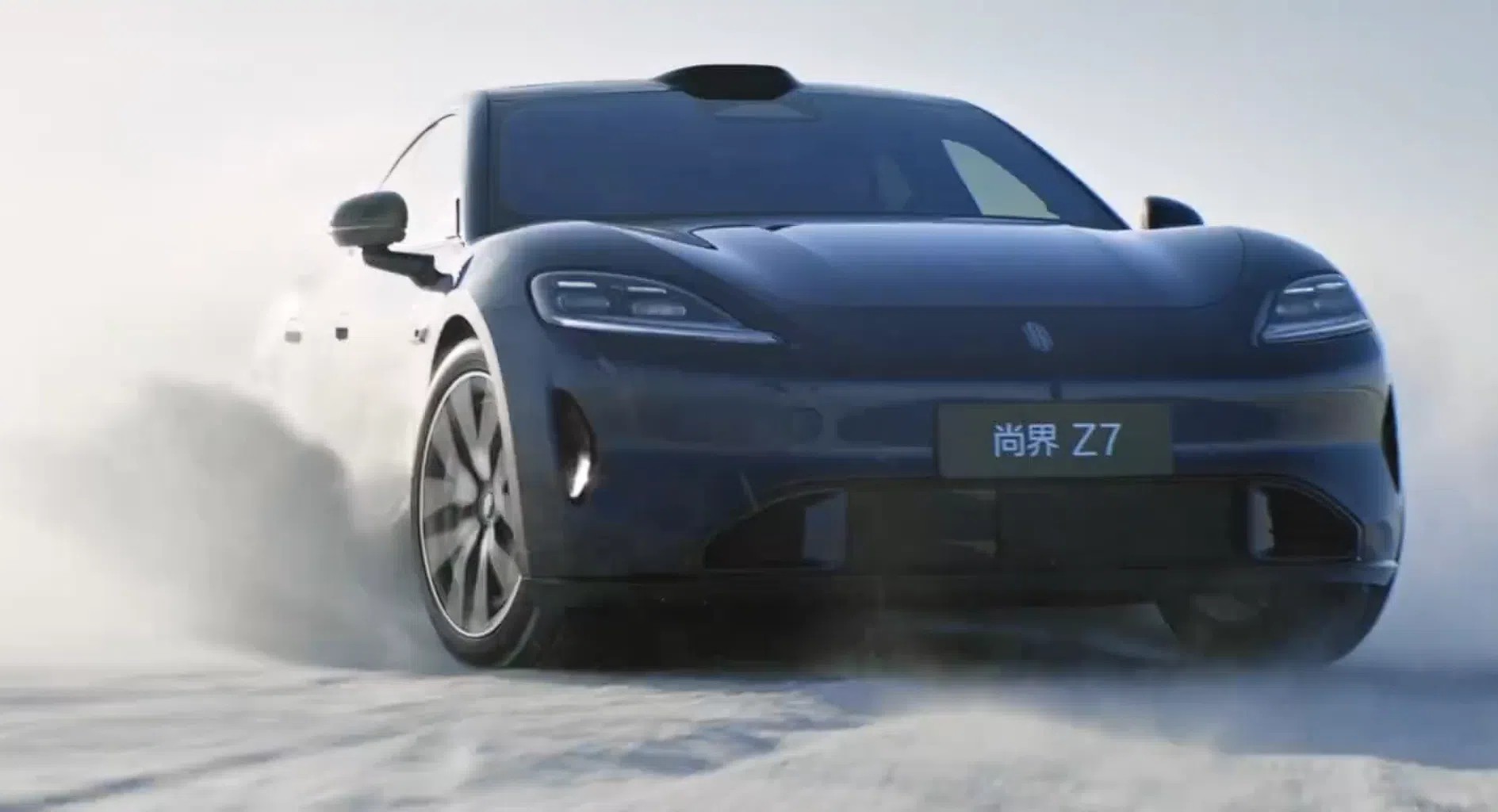
Huawei and SAIC Motor have jointly unveiled the Z7, a new all-electric coupe designed to compete directly with rivals like Xiaomi’s upcoming SU7. This is the first full public look at the vehicle, which borrows styling cues from the Porsche Taycan while aiming for a more accessible price point of around $30,000 USD.
Design and Key Features
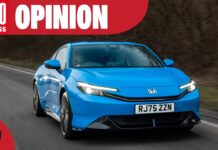
The Z7 stands out with its distinctive split headlights, reminiscent of the Taycan, but featuring a unique dot-matrix light design. Measuring approximately 5 meters (16.4 feet) in length, the coupe incorporates frameless mirrors and a streamlined LiDAR unit integrated into the roof for optimized aerodynamics. Subtle details like semi-hidden door handles and intelligent driving indicator lights further enhance its modern aesthetic.
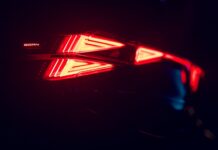
At the rear, the Z7 showcases the “Star River” taillight signature previously found on higher-end models within Huawei’s HarmonyOS Smart Travel family. This move suggests a strategic effort to trickle down premium features to a more affordable segment.
Positioning and Market Strategy
Saic is the newest and most budget-friendly brand within Huawei’s HIMA ecosystem. Last year, it launched the Saic H5, making HIMA vehicles available in the $20,000 USD price range. The Z7 is expected to be a direct competitor to Xiaomi’s upcoming SU7, suggesting a clear rivalry in the rapidly expanding electric vehicle market.
Notably, there is confusion around the brand’s English name – with “Saic” as the brand and “SAIC” as the parent company. This has led to some difficulty in distinguishing the two in reporting.
What This Means
The launch of the Saic Z7 is significant because it demonstrates Huawei’s commitment to expanding its automotive footprint at multiple price points. By offering a stylish, Porsche-inspired coupe at a competitive price, the company aims to capture a younger demographic and accelerate the adoption of electric vehicles in China.
The competition between Huawei-backed brands and Xiaomi in the $20,000–$30,000 segment is likely to intensify, driving innovation and lower prices for consumers. The Z7’s aggressive pricing suggests a willingness to sacrifice margins in exchange for market share, a strategy that could reshape the landscape of the Chinese EV industry.