


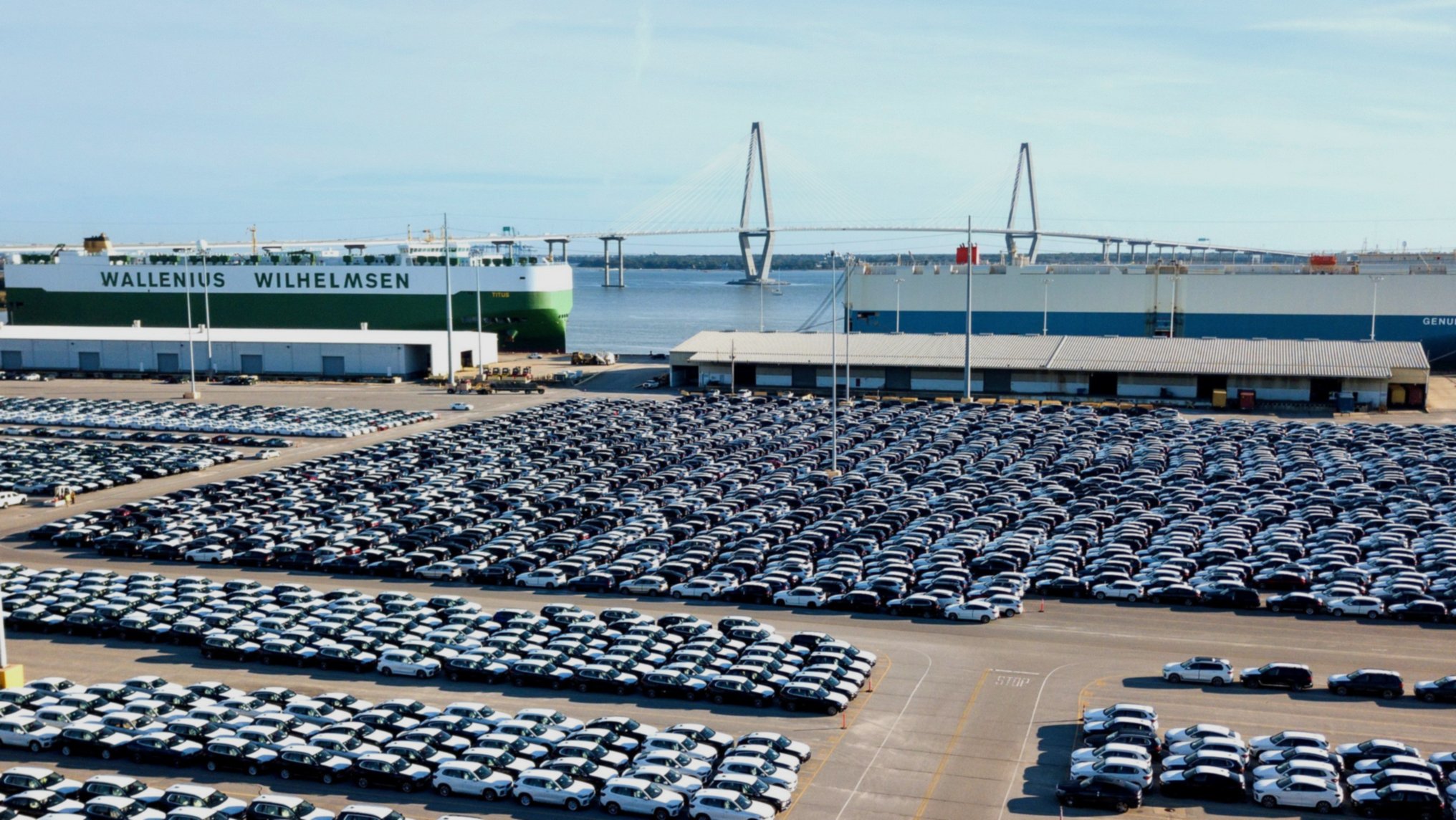
BMW has emerged as the largest automotive exporter by value from the United States, surpassing domestic brands despite originating in Germany. This is largely due to the company’s substantial manufacturing presence in Spartanburg, South Carolina, which has shipped over 3 million vehicles worth $113 billion between 2014 and 2025. The figures underscore the complex interplay between global trade, foreign investment, and domestic job creation.
Production and Export Figures
In 2025 alone, BMW exported 200,000 vehicles from its South Carolina plant, totaling $9 billion in export value. This success justifies the $16 billion BMW has invested in its US operations. More notably, over half (52%) of all BMW vehicles sold in the United States are now manufactured in Spartanburg, signaling a shift in automotive production dynamics.
The plant produced 412,799 X-series vehicles last year, nearly reaching its capacity of 450,000 and marking its third-highest production total in over three decades. This level of output confirms BMW’s long-term commitment to the US market.
Trade and Investment Implications
BMW’s executives have subtly emphasized the importance of “free trade” for their operations. Milan Nedeljković, a BMW board member, stated that “open markets enable growth and prosperity,” reinforcing the company’s reliance on global trade for its manufacturing success.
“Our plants… benefit from this.”
This stance comes amid ongoing trade tensions, where tariffs and trade wars could disrupt supply chains and production costs. The fact that a German company now leads US automotive exports by value underscores the limitations of protectionist policies.
US Operations and Employment
The Spartanburg facility supports over 12,000 jobs and currently produces more than 1,500 vehicles daily, making it BMW Group’s largest production hub worldwide. The plant houses extensive manufacturing infrastructure, including two paint shops, a press shop, and multiple assembly and body shops.
BMW also maintains 30 locations in 12 states, covering design, financial services, technology, and sales operations. This broad presence signifies a significant economic footprint beyond manufacturing alone.
BMW’s dominance in US automotive exports proves that global trade remains crucial for both foreign investors and domestic economies. The company’s success in the US is a testament to the benefits of open markets, but also raises questions about the future of trade under protectionist policies.


