


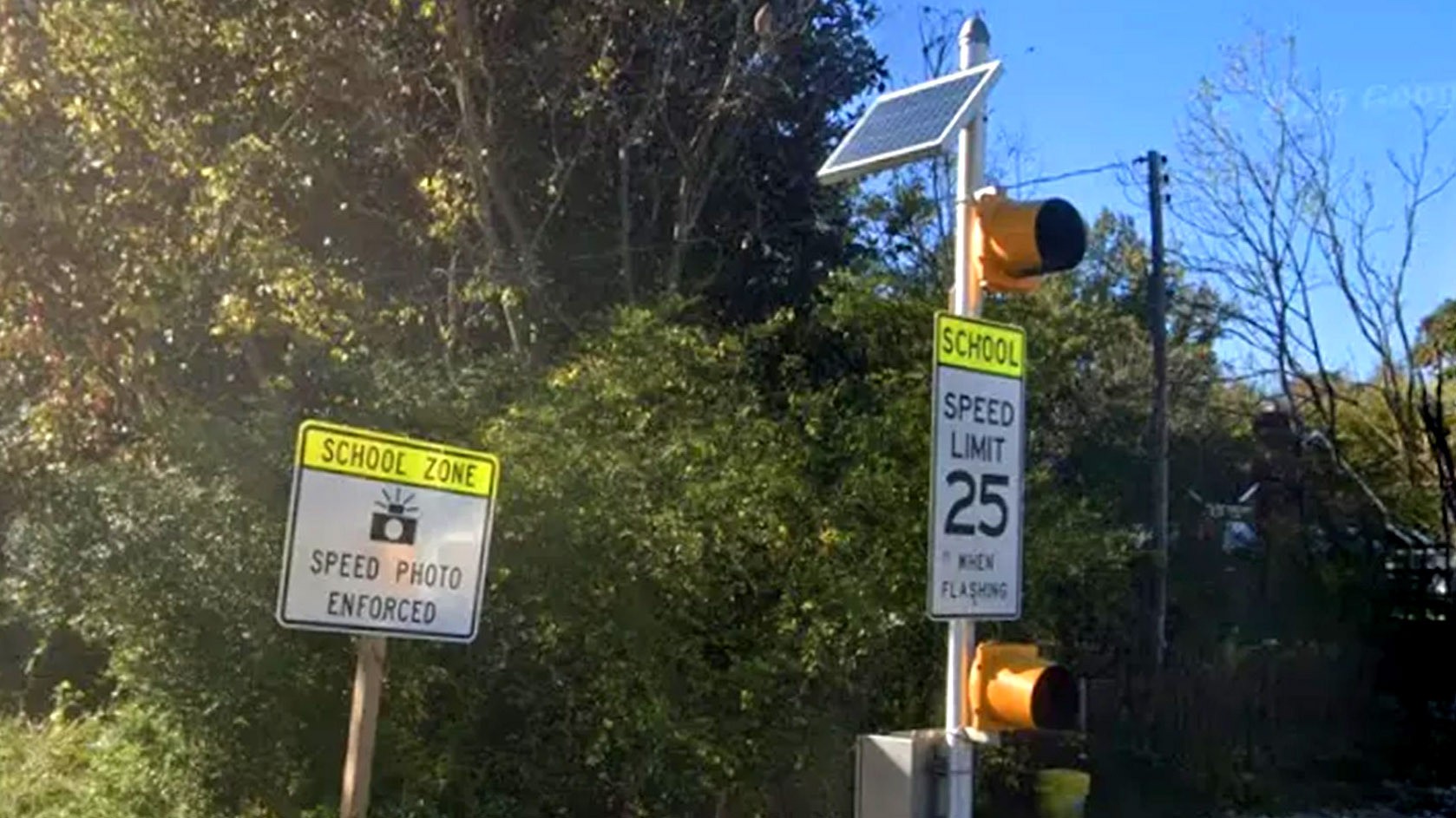
Virginia’s automated speed cameras triggered nearly one million violations in 2025, generating over $54 million in civil penalties. A new report from the Virginia State Police reveals the extent of automated enforcement activity across the state, raising questions about the balance between safety and revenue generation.
Зміст
The Numbers Are Staggering
The report, covering January 1 through December 31, 2025, shows a total of 957,780 violations recorded by 49 state and local law enforcement agencies. Of these, 607,899 were successfully prosecuted, resulting in $54,096,163.75 in fines.
On average, cameras flagged 2,624 speeding instances per day —that’s nearly two every minute. Even when counting only paid violations, the figures remain high, with 1,665 tickets issued daily.
School and Work Zones Dominate
Speed cameras are overwhelmingly deployed in school zones (228 out of 230 statewide) and highway work zones (9). These devices generated 656,268 tickets in school zones and 301,512 in work zones. The high volume of tickets in school zones isn’t surprising, given their frequent placement on busy roads.
Civil Penalties vs. Criminal Tickets
Unlike traditional speeding tickets, camera-issued violations are classified as civil penalties. This means they don’t add points to a driver’s license or affect insurance rates unless a police officer later issues a criminal summons. This distinction makes it easier for some drivers to treat speeding as a “cost of doing business,” similar to situations in other states like New York.
Revenue Implications
Without automated enforcement, Virginia would have collected roughly $148,208 less per day. While safety is often cited as the primary justification for these programs, the financial impact is undeniable. The system generates substantial revenue for the state and local governments.
The scale of automated enforcement in Virginia raises broader questions about balancing public safety with potential over-reliance on revenue-generating penalties.


