


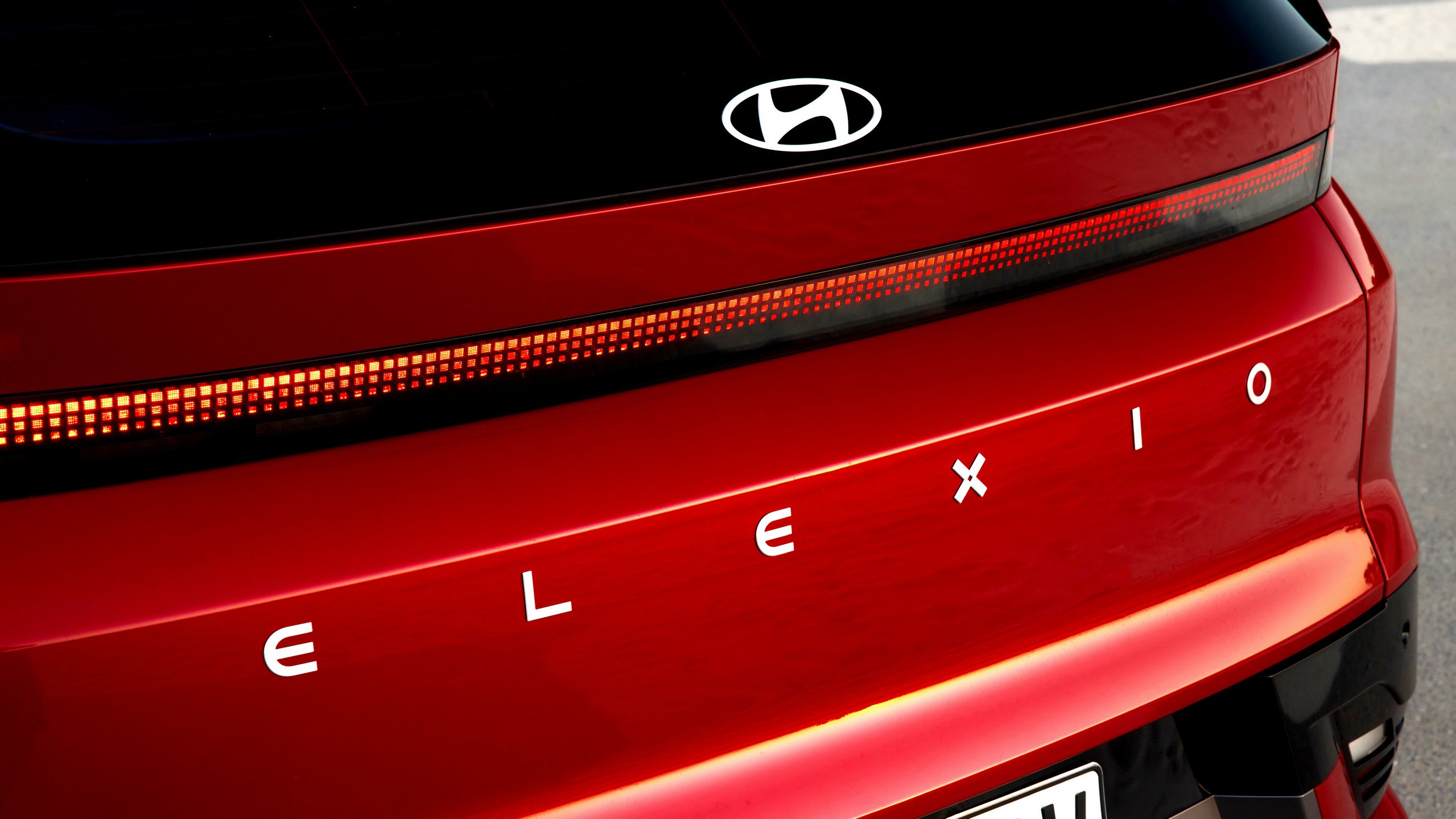
Hyundai is actively evaluating the possibility of sourcing more vehicles from its Chinese factories to meet growing demand in Australia. This move reflects a broader trend in the automotive industry where manufacturers are reassessing production locations to optimize costs and speed of delivery.
Зміст
Global Manufacturing Strategy
Currently, Hyundai Australia imports models like the i30 and Tucson from facilities in the Czech Republic, while the i20 N originates from Turkey. The company operates a robust global network, including three plants in South Korea and eight others worldwide. This allows Hyundai to strategically select production sites based on efficiency and market needs.
China as a Key Production Hub
Hyundai’s substantial manufacturing presence in China, including facilities capable of producing high volumes of hybrid and electric vehicles, makes it a potentially attractive option. The company also maintains a research and development center in Shanghai, further solidifying its investment in the region. The recent introduction of the Hyundai Elexio – the first Australian-sold vehicle built in China – signals a willingness to integrate Chinese production into its supply chain.
Cost and Demand Dynamics
Hyundai Australia’s Product Development Manager, Tim Rodgers, has confirmed that the company continuously assesses the viability of various global factories. While Rodgers claims that cross-country price comparisons are not a primary driver, the reality is that sourcing from China could offer significant cost advantages.
The company’s strategy is to diversify production across multiple regions, including Southeast Asia, to avoid delays and ensure timely delivery. This approach is particularly relevant for upcoming models, such as a potential pickup truck that could be manufactured in multiple locations if demand justifies it.
Implications for the Australian Market
Hyundai’s expansion of Chinese production into Australia suggests a willingness to adapt to changing market dynamics. As the demand for SUVs and EVs grows, the company may increasingly rely on international factories, including those in China, to meet consumer needs. This move underscores the increasing interconnectedness of the global automotive industry, where production is no longer tied to traditional manufacturing hubs.
Hyundai’s strategic flexibility ensures that it can respond efficiently to market demands, potentially leveraging cost-effective production in China to maintain competitiveness and deliver vehicles to Australian consumers at optimal speeds.


