


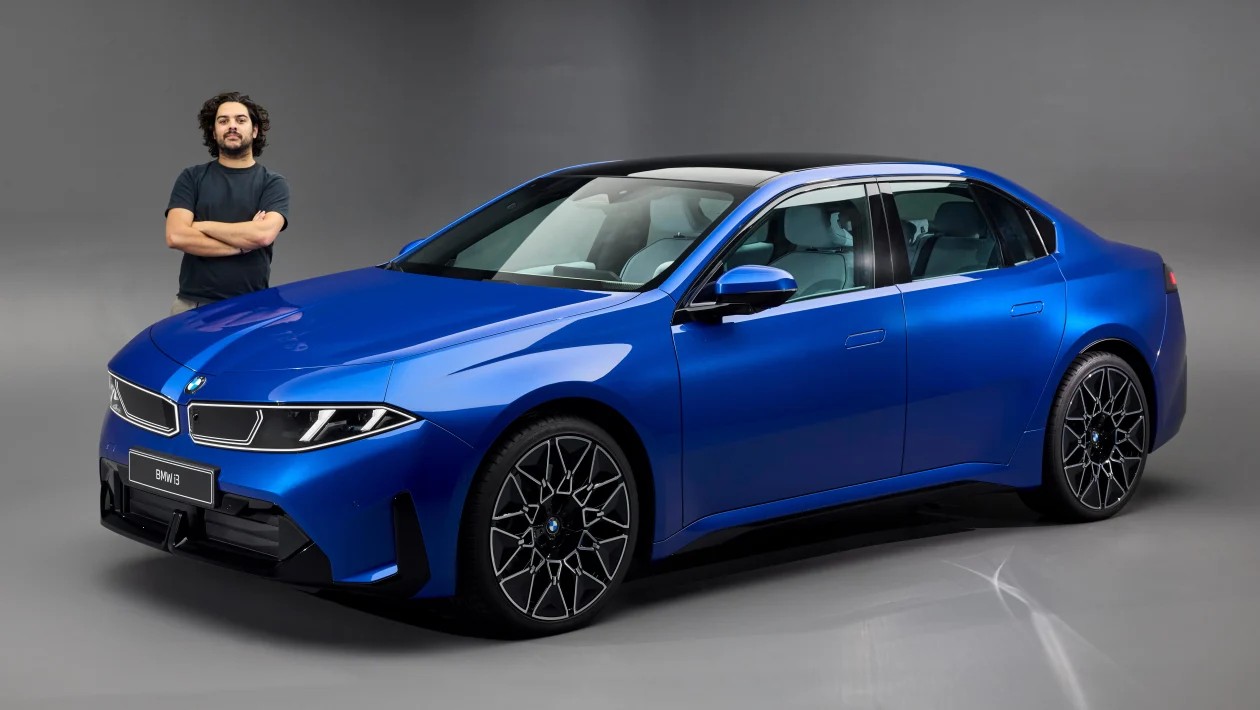
BMW is set to redefine the compact executive segment with the all-new i3, its first fully electric 3 Series. Launching in late 2026, the i3 will serve as a cornerstone for BMW’s future, showcasing the company’s commitment to electrification without compromising on performance or range. This move is significant because it applies electric technology to one of BMW’s most popular and profitable models – a step that some rivals, like Porsche, have avoided for fear of diluting their brand image.
Зміст
Ground-Up Electric Design
Unlike previous BMW electric adaptations, the i3 is built on a dedicated electric platform, allowing for optimal efficiency and performance. The car will offer a projected WLTP range of 559 miles (900 km) and support charging speeds up to 400kW, enabling 248 miles (400 km) of range in just 10 minutes. This places the i3 in a leading position against competitors, including Tesla and Polestar, who currently offer shorter ranges and slower charging times.
Performance and Powertrain
The initial launch model, the i3 50 xDrive M Sport, will feature dual electric motors producing 462bhp (345kW) and 645Nm of torque. The battery pack, a 112kWh unit with 108kWh usable capacity, will utilize BMW’s cylindrical cell design for improved energy density and thermal management. Future models will include single-motor options and smaller battery packs for greater versatility.
Competitive Edge
BMW’s aggressive push into the electric 3 Series segment puts pressure on competitors. The Tesla Model 3, while still compelling, falls short in both range (410 miles) and charging speed (250kW). The Polestar 2 lags even further behind with a 369-mile range and 205kW charging. Mercedes-Benz is preparing its own all-electric C-Class, but early estimates suggest it will not match the i3’s performance metrics.
High-Performance iM3 Variant
BMW is also developing a high-performance iM3 variant with four electric motors and a projected output of around 1,000bhp (745kW). This model will incorporate advanced features such as a drift mode, a virtual gearbox, and a wider body, positioning it as a direct competitor to high-end electric performance cars.
Interior and Design
The i3’s interior features BMW’s new Panoramic iDrive system, replacing traditional instrument clusters with a full-width head-up display. The 17.9-inch angled touchscreen controls most vehicle functions, with physical buttons retained for essential features like climate control and hazard lights. The exterior design draws inspiration from classic BMW models, incorporating modern elements such as flush door handles and integrated headlights for a cleaner aesthetic.
Conclusion: The BMW i3 marks a significant step forward in electric vehicle technology, delivering class-leading range, charging speed, and performance. By prioritizing a dedicated electric platform and aggressive engineering, BMW aims to dominate the premium compact segment and set a new standard for electric mobility.


