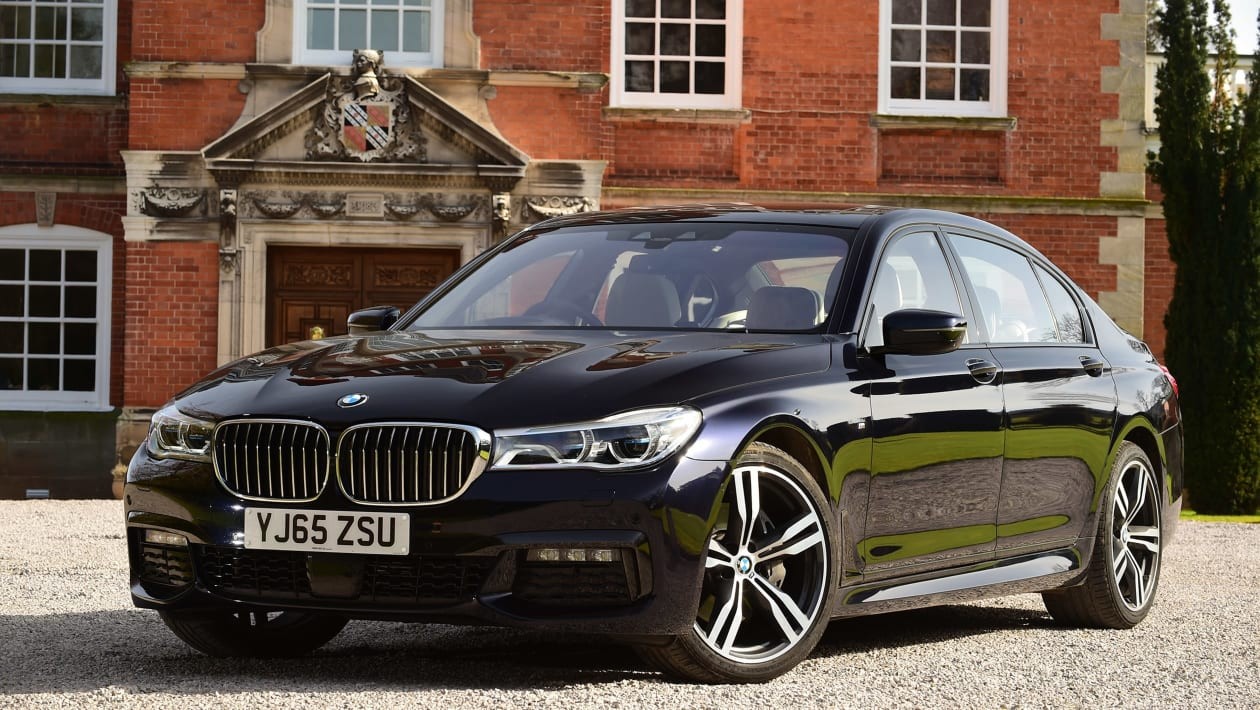
The BMW 7 Series has long been a competitor to the Mercedes S-Class, offering a blend of luxury, performance, and technology. This guide covers the sixth generation (Mk6, G11/G12) produced from 2015 to 2022, focusing on what buyers should know when considering a used model.
Зміст
Why Consider a Used 7 Series?
Luxury saloons depreciate rapidly. A four-year-old 7 Series can be acquired for a significantly lower price than new, making it an attractive option for those seeking flagship comfort without the full financial burden. However, running costs are substantial, so careful consideration of insurance, maintenance, and fuel economy is crucial. Despite this, the 7 Series offers a driving experience that outshines competitors like the S-Class and A8 in terms of agility.
Historical Context
BMW’s commitment to premium, driver-focused cars dates back over a century. While the brand faced financial difficulties in the mid-20th century, it recovered to become a leading producer of high-performance and luxury vehicles. The 7 Series, first introduced in 1977, has been a key part of this success, representing BMW’s technological prowess and commitment to refinement.
Models Covered (Mk6/G11, 2015-2022)
The Mk6 7 Series arrived in October 2015, introducing a new level of luxury and technology to the BMW lineup. It blends sharp handling with high-end comfort, making it a solid choice for buyers seeking a well-rounded saloon.
Engine Options and Performance
The Mk6 7 Series launched with a range of engines:
- 730d/740d: 3.0-liter six-cylinder diesels (261bhp/315bhp) – efficient and suitable for long distances.
- 740i: 3.0-liter six-cylinder petrol (321bhp)
- 750i: 4.4-liter V8 petrol (442bhp) – for those prioritizing power.
- 740e: 2.0-liter plug-in hybrid (321bhp) with four-wheel drive – offering limited electric range.
- M760Li xDrive: 6.6-liter twin-turbo V12 (592bhp) – the flagship performance model.
A 2019 facelift brought updates including a bolder grille and improved hybrid technology, with the 740e replaced by the 745e, offering up to 36 miles of electric range.
Which Model to Buy?
For most buyers, the diesel variants (730d, 740d) make the most sense due to their fuel efficiency and long-distance comfort. These engines are Euro 6-compliant, minimizing penalties in Clean Air Zones. The plug-in hybrid (745e) is an option for those seeking lower emissions, though it comes at a higher price. The petrol models are less justifiable due to their higher fuel consumption without significantly improved refinement over the diesels.
Alternatives
- Mercedes S-Class: The benchmark for luxury, known for its comfort and safety technology.
- Audi A8: Offers aluminum construction, four-wheel drive, and high-tech features.
- Jaguar XJ: Stylish and engaging to drive, but production ended in 2019.
- Lexus LS: Reliable and well-equipped, but harder to find on the used market.
Key Considerations
- All-Wheel Drive (xDrive): Available on most engines, enhancing traction in adverse conditions.
- Rear Seats: Standard three-person bench or optional individual reclining chairs.
- Tyres: Original fitment was run-flat tyres; switching to conventional tyres improves ride quality.
- Remote Parking: Introduced in March 2017, allowing key fob control for maneuvering.
Interior and Running Costs
The 7 Series interior is luxurious, with high-quality materials and extensive standard equipment, including four-zone climate control, heated seats, and an eight-speed automatic transmission. Boot space is adequate at 515 liters, but rear seats do not fold.
Maintenance is essential every two years or 18,000 miles, alternating between minor and major services. BMW employs condition-based servicing, meaning component replacement timing depends on usage. Oil changes cost around £159, with full inspections ranging from £283 to £438. The 7 Series uses a chain-driven engine, eliminating cambelt replacement costs.
Recalls and Reliability
BMW has issued six recalls for the 7 Series, addressing issues such as faulty airbags, brake-light switches, oil leaks, crankshaft sensor software, and EGR valve failures. Driver satisfaction surveys show mixed results, with BMW ranking 27th out of 30 in a 2020 survey. Owners praise infotainment, transmissions, and engines but criticize running costs.
Final Thoughts
The Mk6 BMW 7 Series offers a compelling blend of luxury, performance, and technology, especially on the used market. With careful consideration of running costs and maintenance, it can be an excellent choice for buyers seeking a high-end saloon with a sporty edge. The model’s depreciation makes it affordable, but ongoing expenses should not be overlooked.