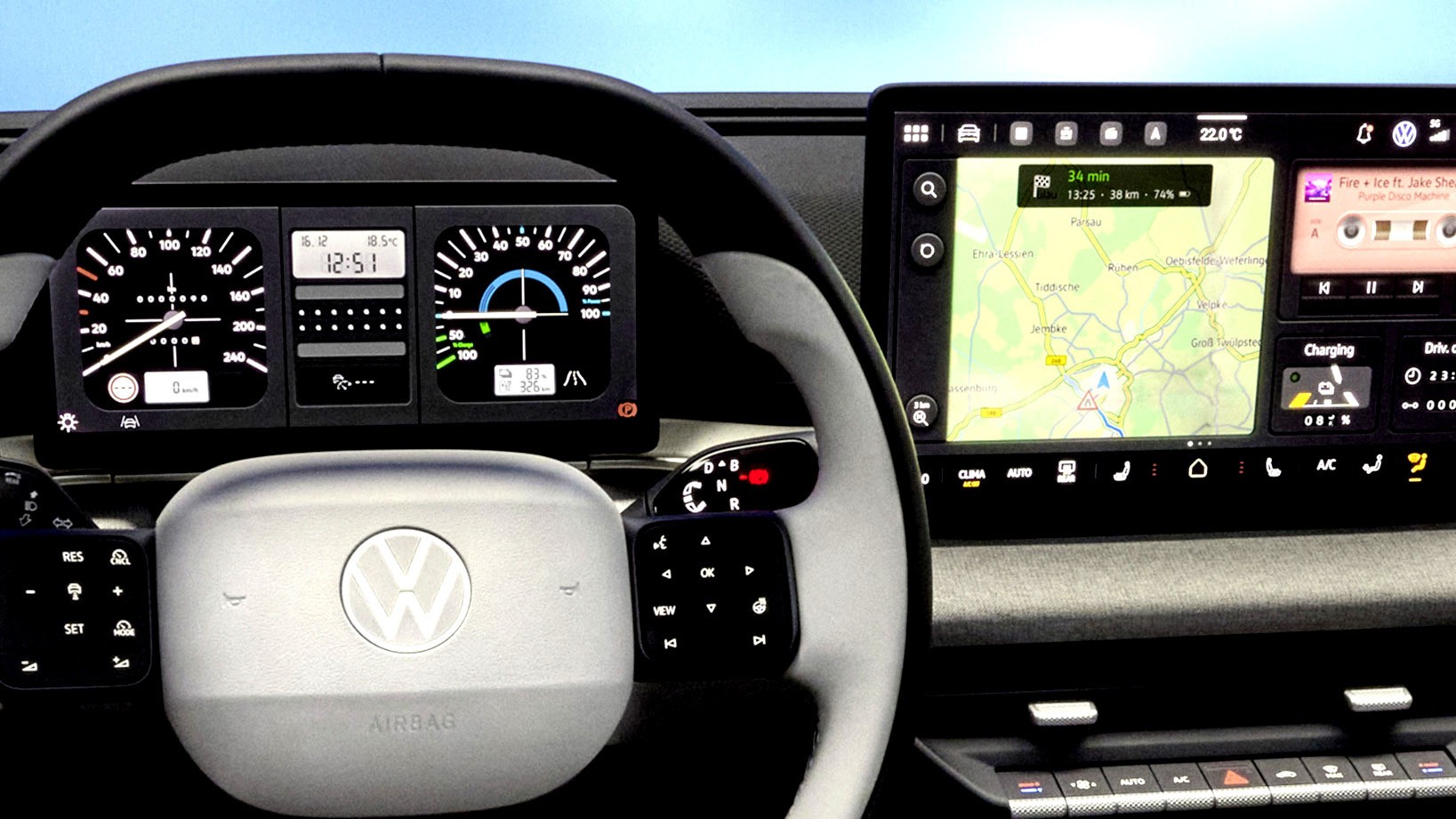
Volkswagen is fundamentally redesigning its car interiors, acknowledging that a recent push for minimalist, tech-driven features alienated customers and undermined the brand’s reputation for usability. CEO Thomas Schäfer has publicly admitted the company strayed from its core strength – building cars people could easily use – and has outlined a plan to course-correct.
Зміст
The Problem: Over-Engineering Usability
For over a decade, Volkswagen prioritized adding features over ensuring they felt intuitive. This shift toward hollow tech, inspired by smartphones and consumer electronics, backfired. The Mk8 Golf and early ID-series EVs became notorious for frustrating touch sliders, hidden infotainment menus, and unintuitive controls.
The core issue was clear: Volkswagen forgot who its cars were for. Instead of prioritizing everyday usability, they chased innovation at the expense of common sense.
Why This Matters: The Erosion of Brand Trust
The move toward overly-complex interiors wasn’t just a design mistake; it was a brand erosion. Volkswagen built its name on reliability and ease of use. By sacrificing that for the sake of trendy tech, the company risked losing loyal customers.
This isn’t an isolated case. Many automakers face the same challenge: how to integrate technology without making cars harder to drive or live with. The lesson here is that technology should serve the user, not the other way around.
The Reset: Back to Basics
Schäfer’s solution is brutally simple: prioritize usability above all else. His new design philosophy revolves around three principles:
- Stability: Cars must feel reliable and well-built.
- Likeability: Interiors should be welcoming and easy to understand.
- “Secret Sauce” : A sense of immediate familiarity that makes drivers feel at home behind the wheel.
Crucially, the company is returning to physical controls. According to Schäfer, “A door handle must be intuitive,” and essential functions should never be buried in menus. Physical buttons are now “non-negotiable.”
Data-Driven Design: Learning From Mistakes
Volkswagen is now conducting extensive customer testing, using cameras to track where drivers look and which features they actually use. This data will inform future design decisions, ensuring that every control serves a clear purpose. The goal isn’t just to fix the current mess; it’s to prevent similar mistakes from happening again.
“We are doing customer clinics a lot…Asking ‘what do we need a button for?’,” says Schäfer.
Volkswagen’s reversal is a stark reminder that even established brands can lose their way. By admitting its errors and prioritizing customer needs, Volkswagen is betting that simplicity will win out over needless complexity.