


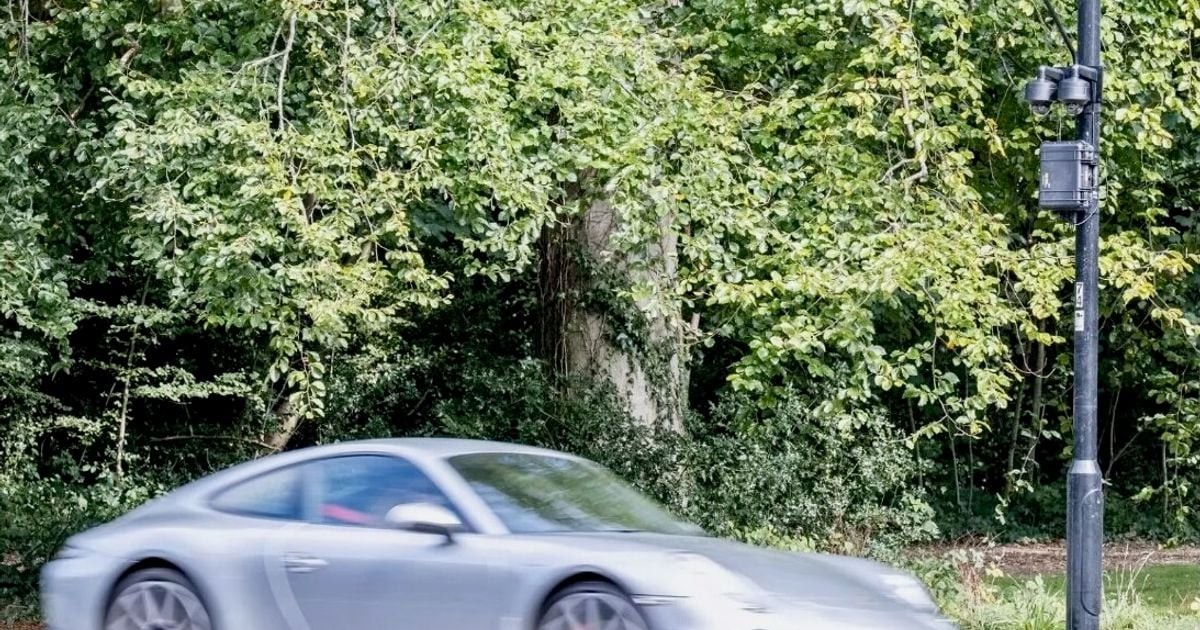
The Victorian Government has launched a new trial of acoustic cameras aimed at curbing antisocial driving and excessive vehicle noise across Melbourne. This move marks a significant shift in how authorities intend to monitor and penalize “hoon” behavior, moving beyond traditional speed and red-light enforcement.
Зміст
How the Technology Works
Unlike standard traffic cameras that focus on visual infractions, these new devices are equipped with highly sensitive microphones. The cameras are triggered when a vehicle exceeds a specific decibel threshold, capturing the sound of engines or exhausts that violate noise regulations.
This technology follows a successful precedent in New South Wales, where a similar trial demonstrated that acoustic triggers were highly effective at identifying drivers engaged in aggressive acceleration and illegal modifications.
Targeted Locations and Resident Pressure
While the government has not released a complete list of deployment sites, several key areas are expected to be part of the initial rollout:
- Yarra Boulevard: A scenic, winding road that has become a flashpoint for resident complaints. Despite $5 million in previous safety upgrades, local officials argue that these measures have failed to stop reckless driving.
- City of Port Phillip: Following hundreds of complaints from residents regarding sleepless nights and safety concerns, local leadership has been pushing for more aggressive anti-hooning measures.
The deployment of seven devices across four strategic locations is a direct response to growing public frustration. Local MP Steve Dimopoulos noted that the initiative is a necessary step to address the persistent issue of antisocial driving in the community.
The Safety Debate: Noise vs. Speed
The trial raises an important question about the relationship between noise and road safety. In the case of Yarra Boulevard, the debate is centered on whether “hooning” is primarily a noise nuisance or a lethal threat.
“Council wanted the government to act now before there’s another death on this stretch of road,” stated Sophia Torney, former Mayor of Boroondara.
Data from Transport Victoria shows three fatalities occurred on Yarra Boulevard in the decade leading up to January 2024. However, there is currently no documented evidence linking these specific fatalities to “hoon” behavior since recent safety upgrades were implemented. This distinction is crucial: while residents are increasingly distressed by the noise pollution caused by modified exhausts, the direct correlation between loud driving and fatal accidents remains a point of contention among policymakers.
Looking Ahead
The success of this trial will likely determine whether acoustic cameras become a permanent fixture of Victoria’s road policing. If the technology proves effective at identifying offenders without disrupting legitimate traffic, it could provide a scalable solution to one of the most persistent community grievances in urban Melbourne.
Conclusion
By deploying acoustic cameras, the Victorian Government is testing a high-tech solution to address both the noise pollution and the perceived lawlessness of antisocial driving. The outcome of this trial will serve as a litmus test for whether sound-based enforcement can effectively manage driver behavior in high-complaint zones.


