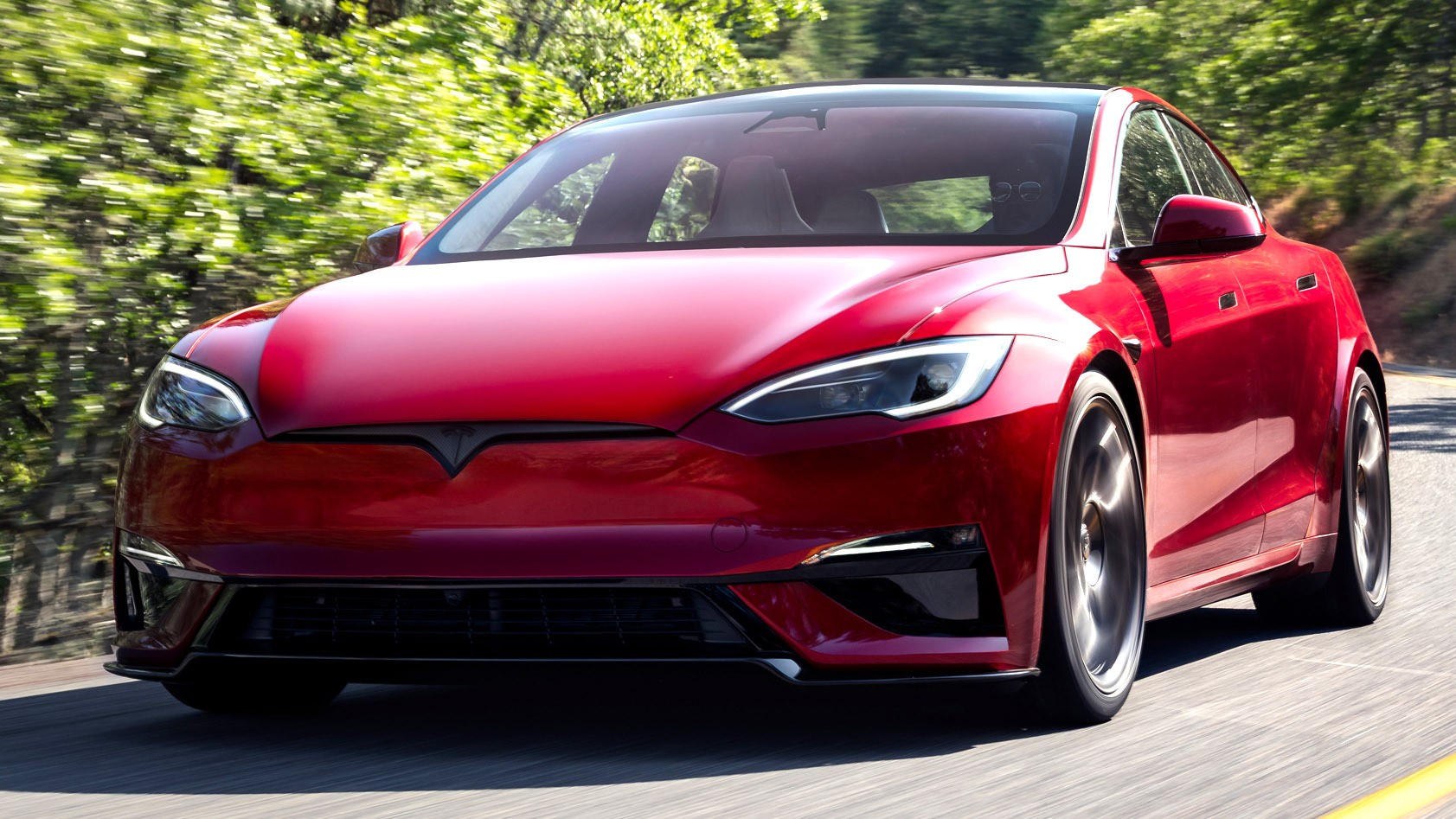
While most automakers are slashing prices to clear out aging inventory, Tesla is taking the opposite approach. As the company winds down production for its flagship Model S and Model X lines, it has implemented significant price hikes on the remaining stock rather than offering end-of-cycle discounts.
Зміст
A Counter-Intuitive Strategy
Typically, when a vehicle reaches the end of its production lifecycle, manufacturers offer steep incentives to move the final units. This “clearance” phase is designed to make room for newer models and prevent unsold stock from sitting on lots.
Tesla, however, has increased the price of its remaining Model S and Model X inventory by approximately $15,000. This move is particularly striking given the scarcity of the vehicles; current data suggests there are only about 200 units of these models left across the United States.
Current Pricing Breakdown
The price gap between “demo” vehicles and brand-new inventory is notable. Buyers looking for the lowest entry point are essentially opting for demonstration models, while those seeking pristine, untouched units will face a premium.
Model X Pricing
- Demo Models: Starting at $110,100.
- All-Wheel Drive (New): $114,900.
- Plaid (New): $129,900.
Model S Pricing
- Demo Models: Approximately $105,700.
- Base Model (New): $109,990.
- Plaid (New): $124,900.
Value Beyond the Sticker Price
While these price points may seem high for models that are being phased out, Tesla is bundling significant long-term value into these final units to justify the cost. Every remaining vehicle in inventory currently includes:
- Full Self-Driving (Supervised) software.
- Four years of Premium Connectivity and Premium Service.
- Lifetime Supercharging and lifetime Premium Connectivity.
These inclusions suggest that Tesla is positioning these remaining cars as “collector” or “premium legacy” items, catering to enthusiasts who want the flagship experience with maximum software and charging benefits included.
Why This Matters
Tesla’s decision to raise prices instead of discounting reflects a shift in how the company manages its product lifecycle. By leveraging the scarcity of these models and bundling high-value software packages, Tesla is avoiding the “fire sale” perception that often plagues aging automotive lines. This strategy treats the end of the Model S and X production not as a clearance event, but as a premium opportunity for early adopters of Tesla’s most advanced legacy technology.
By bundling lifetime services with dwindling inventory, Tesla is transforming a standard end-of-life phase into a high-margin, scarcity-driven sales event.