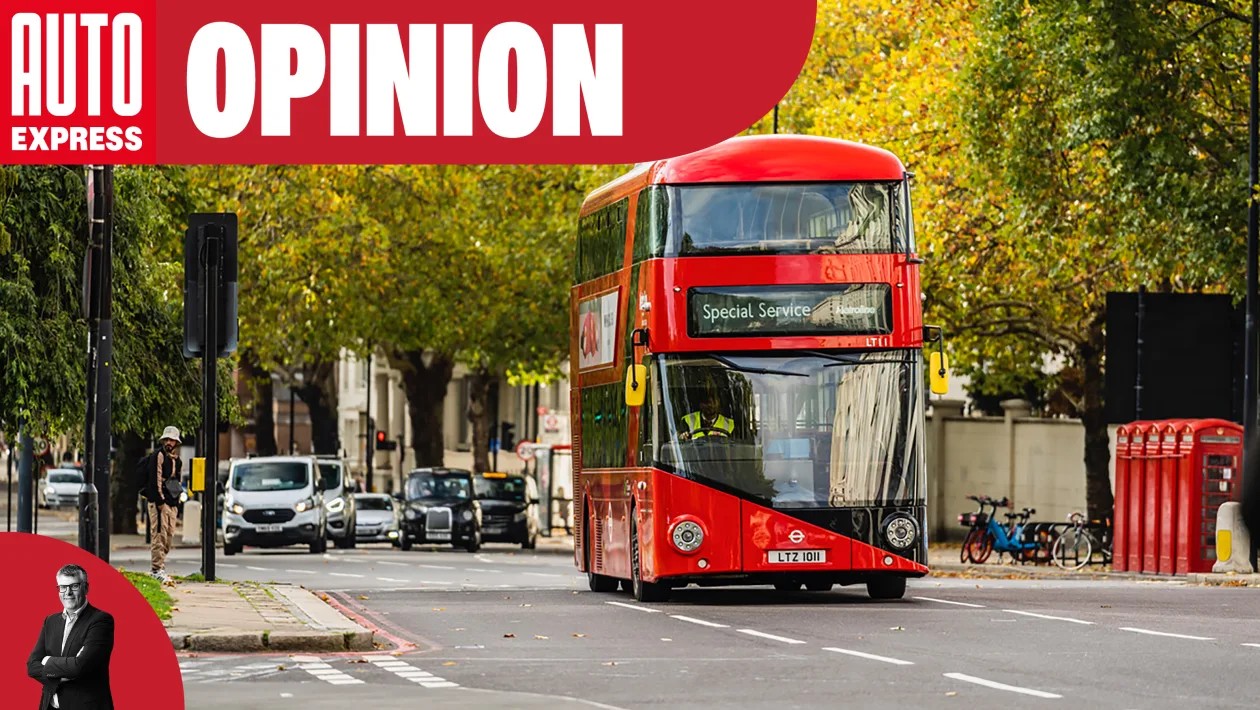
The UK’s transport infrastructure has long been a source of frustration, characterized by deteriorating roads and a fragmented public transit network. The Department for Transport’s recent “Better Connected” report attempts to address these systemic issues, but it faces a fundamental challenge: how to transition people away from cars without making life harder for those who rely on them.
Зміст
The Core Conflict: Convenience vs. Policy
For decades, policymakers have sought to reduce car usage to combat congestion and environmental impact. However, there is a significant disconnect between government goals and the reality of daily life.
While the report outlines various strategies to improve the network, it largely overlooks the primary reason people drive: unmatched convenience. For many, a car provides a level of flexibility and time-efficiency that current public transport systems—often plagued by unreliability and high costs—simply cannot match.
Proposed Strategies and Their Limitations
The “Better Connected” report suggests several levers to shift commuter behavior, including:
– Prioritizing buses on existing road networks to improve speed and reliability.
– Promoting car-sharing and lift-sharing initiatives to maximize vehicle occupancy.
– Expanding park-and-ride schemes to bridge the gap between suburban living and urban centers.
– Improving road maintenance to ensure smoother transit for all users.
While these measures are logically sound, they face significant hurdles. For instance, the report’s mention of road maintenance feels hollow to many motorists facing a national crisis of pothole-damaged surfaces. Furthermore, the suggestion that councils should maintain pavements and cycle paths to the same rigorous standard as major roads may be more aspirational than practical.
The Risk of “Push” vs. “Pull” Strategies
In urban planning, there are two ways to change behavior: pushing people away from one mode of transport (by making it more expensive or difficult) or pulling them toward another (by making the alternative more attractive).
The current tension in UK transport policy suggests a tendency toward “push” tactics—measures that may inadvertently penalize drivers. If the government focuses on making car travel less convenient without first ensuring that public transport is a superior, cheaper, and more reliable alternative, the result will likely be public resentment rather than a genuine shift in habits.
To successfully reduce car dependency, the goal should be to make public transport so appealing that people choose to leave their cars at home, rather than feeling forced into less efficient alternatives.
Conclusion
The “Better Connected” report contains the seeds of a functional transport strategy, but its success depends entirely on execution. True progress will not come from making driving more difficult, but from investing heavily in a public transport system that offers genuine value, reliability, and affordability.