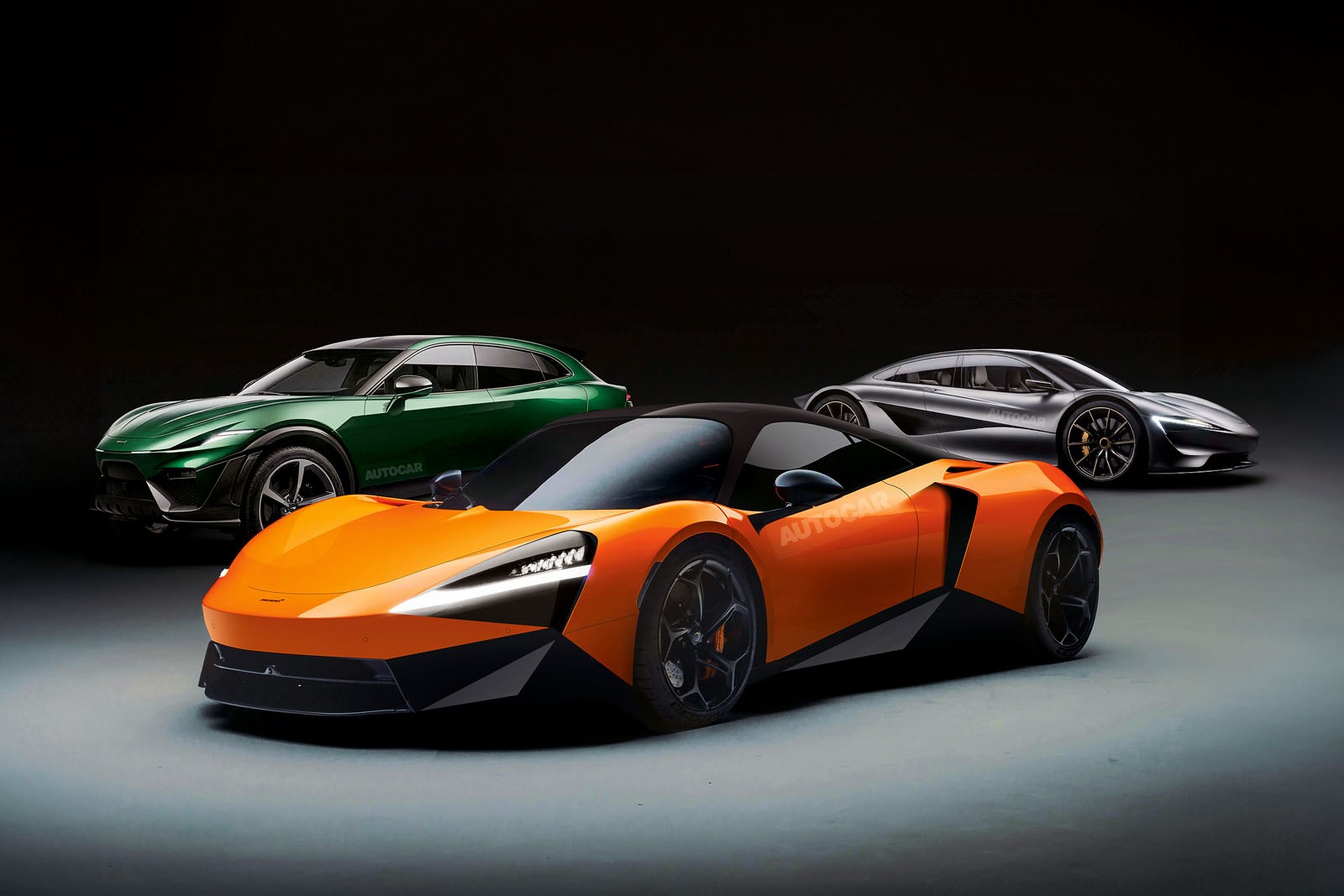
McLaren is set to pull back the curtain on its future direction this summer, marking a pivotal turning point for the British sports car manufacturer. Following a transformative merger with the startup Forseven, the Woking-based firm is preparing to reveal a roadmap that expands its lineup far beyond its traditional niche of two-seat supercars.
A Strategic Shift Through Merger and Investment
The foundation for this new chapter was laid a year ago when CYVN Holdings, an Abu Dhabi-based state investment fund, acquired McLaren. This move resulted in a merger with Forseven, a startup that had been quietly developing a new line of vehicles.
The scale of this transformation is backed by significant capital:
– Investment: CYVN has injected approximately £1.5 billion into McLaren.
– Leadership: Nick Collins, the CEO of Forseven, now leads the combined operation.
– Expansion: The influx of capital is designed to allow McLaren to move beyond its signature mid-engined supercars and develop a broader range of models.
While the company had previously intended to outline its strategy by the end of 2025, CEO Nick Collins has confirmed that the timeline has been accelerated. Starting this summer, McLaren will begin “unpacking” its new product plans to the public.
The Roadmap to 2030: Focus on Internal Combustion
In a move that challenges the broader industry trend toward rapid electrification, McLaren is doubling down on traditional engines. Collins has indicated that the current product plan leading up to 2030 focuses on combustion powertrains.
The reasoning behind this strategy is rooted in consumer demand. Collins noted that while the company maintains the “flexibility” to adapt to changing environments, McLaren will only launch an electric vehicle when its specific customer base demands one. For now, the firm believes the market is not yet ready for a fully electric McLaren lineup.
What to Expect from the Reveal
While specific details remain under wraps, industry insiders suggest that this summer’s announcement may not feature a finished production model, but rather a clear preview of the new design language and upcoming vehicle silhouettes.
Key indicators of the scale of this expansion include:
– Dealer Previews: Full-sized models of every new car planned through 2030 have already been shown to dealers, suggesting a significant increase in the number of models in the pipeline.
– The W1 Connection: The public rollout is expected to coincide with the delivery of the W1 hypercar, the highly anticipated successor to the legendary P1.
Why This Matters
McLaren’s strategy represents a calculated gamble on the “enthusiast” market. By prioritizing internal combustion engines despite the global push for EVs, the company is betting that its core clientele values the sound, feel, and mechanical soul of traditional engines over the silent efficiency of electric power. If successful, this transition could redefine McLaren as a multi-model manufacturer while maintaining its status as a purist’s brand.
“From this summer, we start to go external with our plans… whether it’s because we’re starting to deliver W1s or because we’re showing you product.” — Nick Collins, CEO
Conclusion
McLaren is transitioning from a specialized supercar maker into a broader automotive brand, fueled by massive Middle Eastern investment. By focusing on combustion engines through 2030, the company is prioritizing the specific desires of its high-end clientele over general industry trends.