


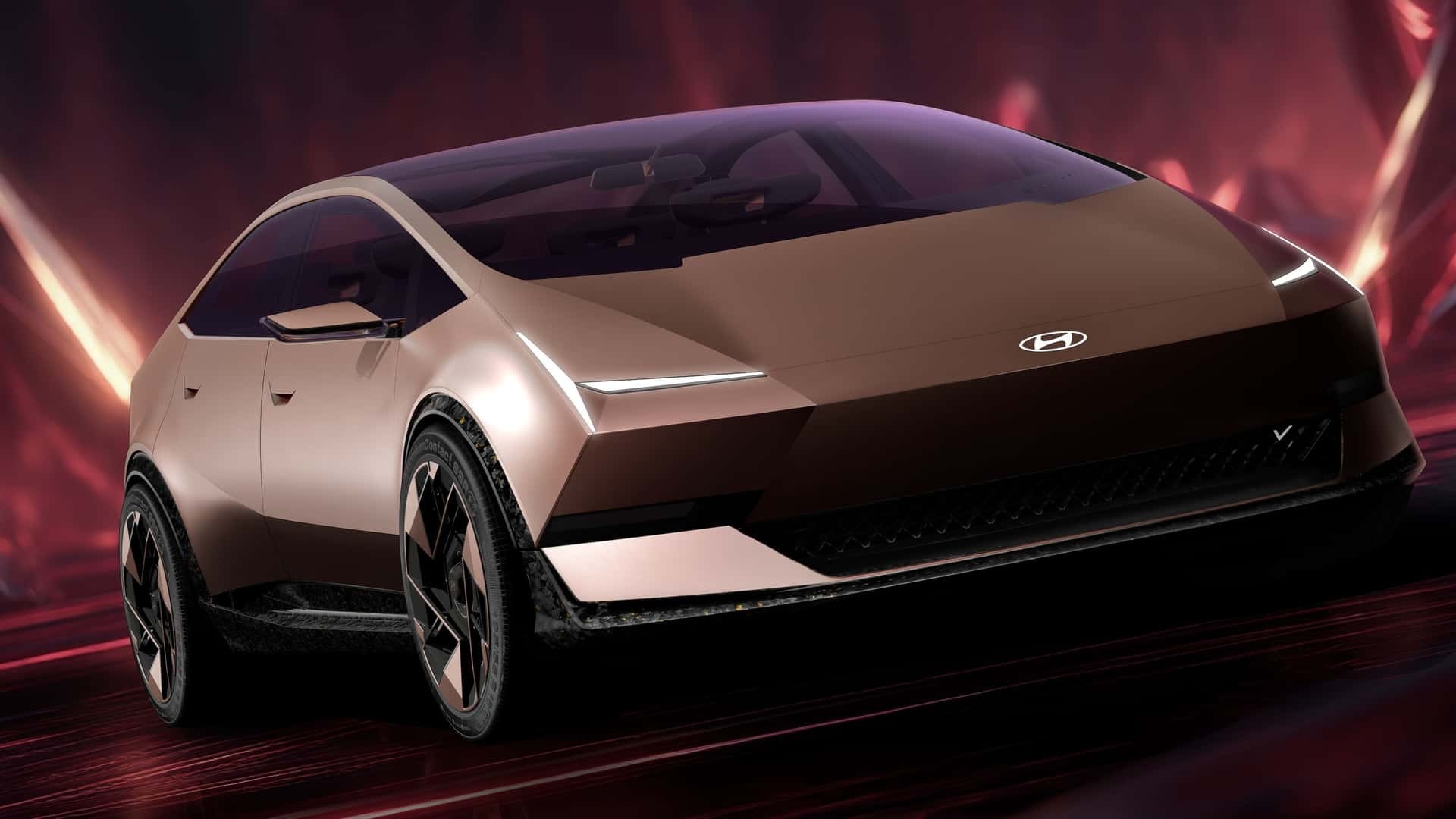
Hyundai is signaling a major strategic pivot for the Chinese market. By unveiling two radical concept vehicles—the Venus and the Earth —the automaker is previewing a design language that departs significantly from the global Ioniq identity it has established in the West.
Зміст
A New Visual Identity for China
For the past few years, Hyundai’s global Ioniq brand has been defined by its “pixel” design language—a signature aesthetic featuring geometric lighting elements seen on models like the Ioniq 5 and 6. However, these new concepts suggest that Hyundai intends to tailor its aesthetic specifically to Chinese consumer preferences.
The two concepts showcase a shared “single-curve silhouette,” a design choice that moves away from the boxy or sharply angular looks of previous models toward more fluid, sweeping lines.
- The Venus: A sleek, aerodynamic sedan designed for elegance.
- The Earth: A robust, “chunky” SUV built for presence and utility.
High-Tech Interiors and “Atmospheric” Design
While the exteriors are a radical departure, the interiors lean into the current industry trend of minimalist, screen-centric cabins. However, Hyundai is adding layers of sensory experience to differentiate these models:
The Venus Experience
The sedan features a driver-centric cockpit characterized by:
* A massive, ultra-wide dashboard screen.
* A nearly complete absence of physical buttons.
* Premium aesthetics, including chrome-gold accents and layered mood lighting.
The Earth Experience
The SUV concept focuses on passenger comfort and “wellness” technology:
* Swiveling rear seats to facilitate social interaction within the cabin.
* “Air-hug” seating, which utilizes soft air modules to enhance comfort.
* Biophilic lighting, where the ambient mood lighting is designed to mimic the shifting shadows of trees.
The “Planetary” Naming Strategy
Hyundai has revealed that these concepts serve as a “barometer” for the brand’s future in China. Beyond the design, the automaker is introducing a new naming convention: the “Planetary” system.
By naming future models after celestial bodies, Hyundai aims to create a cohesive “universe” of vehicles. This move is likely an attempt to build a more recognizable and premium brand identity in a Chinese market that is increasingly crowded with sophisticated electric vehicle players.
Why This Matters
The decision to create a separate design language for China highlights a growing trend in the automotive industry: regional specialization. Rather than a “one size fits all” global strategy, manufacturers are realizing that Chinese consumers often demand different styling, interior tech, and luxury cues than those in North America or Europe.
By decoupling the Chinese Ioniq lineup from its global “pixel” DNA, Hyundai is betting that a more fluid, celestial-themed brand will better compete in the world’s most competitive EV arena.
Hyundai’s move suggests that the future of the Ioniq brand in China will be defined by fluid silhouettes and planetary themes, marking a distinct break from its current global aesthetic.


