


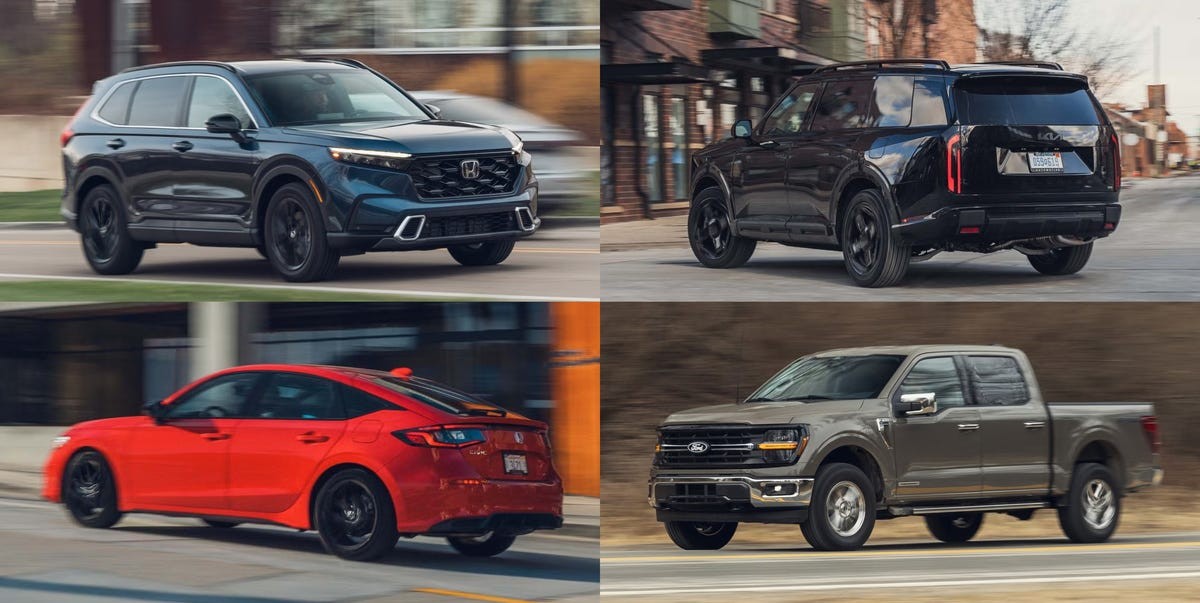
As we move into the second quarter of 2026, the automotive market is already showing signs of significant transformation. Data from the first three months of the year reveals a landscape in flux, where long-standing leaders are losing ground and new contenders are beginning to carve out their territory.
Зміст
A Changing Competitive Landscape
The first quarter of 2026 has proven to be more volatile than typical opening months. While certain models continue to dominate the charts, the most striking takeaway is the instability among the top tier.
Traditionally, the top three spots in U.S. sales are occupied by the same reliable heavyweights year after year. However, this year, one of these perennial leaders has experienced a dramatic decline in sales volume. This shift suggests a potential change in consumer preference—perhaps driven by new model iterations, shifts in fuel technology, or aggressive pricing from competitors.
Key Trends in the Q1 Rankings
The current sales data highlights two primary movements in the market:
- The Decline of the Mainstays: The sudden drop of a top-three veteran indicates that brand loyalty alone is no longer enough to guarantee market dominance. Consumers are increasingly sensitive to the evolving features and technologies offered by newer models.
- The Rise of New Contenders: While some veterans are slipping, several new names have appeared on the bestseller list. Although these newcomers currently sit toward the bottom of the top 25, their presence marks the beginning of a diversification in what Americans are choosing to drive.
Why These Numbers Matter
In the automotive industry, sales figures are more than just a tally of transactions; they are a real-time barometer of consumer sentiment.
When a mainstay falls out of the top three, it often signals a “tipping point.” It raises critical questions for manufacturers: Is the decline due to a lack of innovation, supply chain issues, or a fundamental shift toward different vehicle segments (such as a move from traditional SUVs to hybrid or electric alternatives)? The emergence of new names suggests that the market is becoming more fragmented, with more brands successfully meeting specific niche demands.
The volatility seen in the first quarter suggests that the “old guard” of the automotive industry is facing unprecedented pressure to adapt to rapidly changing consumer expectations.
Conclusion
The first quarter of 2026 has set a dynamic


