


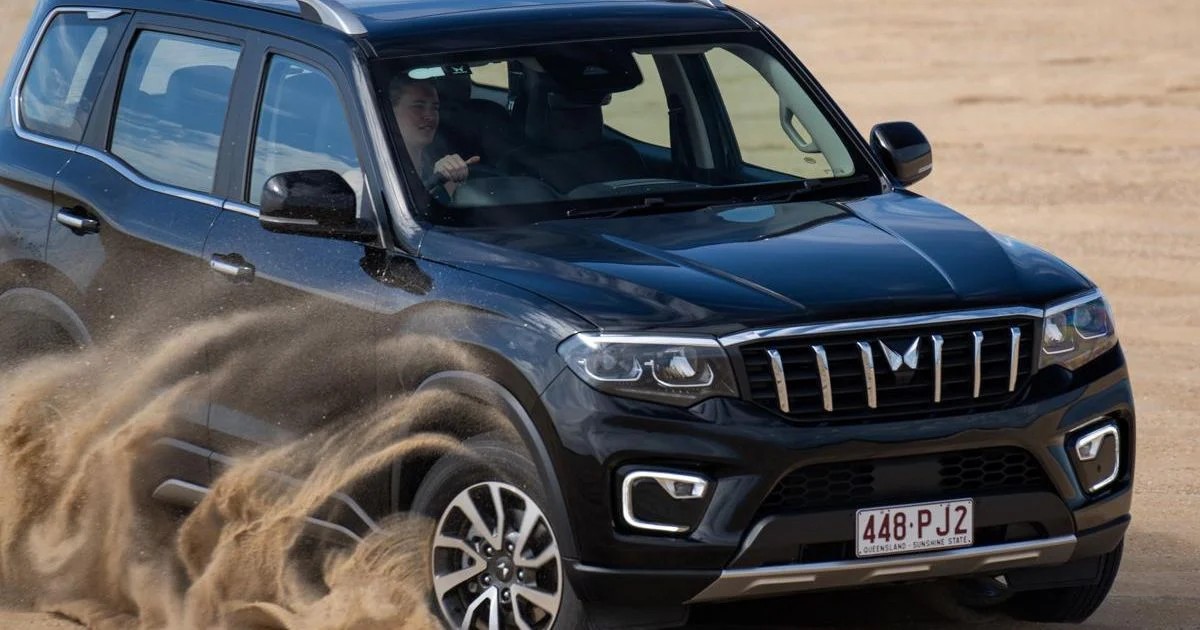
While the summer holidays may be over, the opportunity to explore Australia’s vast coastal landscapes doesn’t have to end. For those with the right vehicle, beach driving offers unparalleled freedom—access to remote fishing spots, untouched surf breaks, and breathtaking scenery.
However, driving on sand is vastly different from driving on asphalt. Without proper preparation, a scenic adventure can quickly turn into an expensive recovery operation or an environmental hazard.
Зміст
Know Your Vehicle: AWD vs. 4WD
A common misconception is that any SUV is capable of beach driving. This is a dangerous error. To navigate sand effectively, you must understand the difference between drive systems:
- Standard SUVs (Front-Wheel Drive): Most compact and mid-sized SUVs are designed for paved roads. They lack the power distribution needed for sand and will likely get stuck immediately.
- All-Wheel Drive (AWD): While better than FWD, most AWD systems are reactive; they only send power to the rear wheels once the front wheels begin to slip. This is often too late on soft sand.
- True Four-Wheel Drive (4WD): For serious beach driving, a vehicle with a low-range transfer case and a rear differential lock is essential. These features allow for consistent torque and better control in challenging terrain.
Essential Gear and Preparation
Before you hit the sand, you must pack a “recovery kit.” Relying on luck is not a strategy.
1. Tyre Management
The most critical step is lowering your tyre pressure. By reducing pressure (typically to between 15–25 psi, though you should consult your manual), you increase the tyre’s “footprint.” A wider footprint prevents the vehicle from digging into the sand.
* Must-have: A rapid tyre deflator and a portable compressor to re-inflate your tyres before returning to the highway.
2. Recovery Tools
If you do get “bogged” (stuck), you will need:
* Traction Boards: Plastic tracks that provide grip under your tyres.
* Snatch Straps & Hooks: For towing yourself or others out. Note: These are high-tension items and can be dangerous if used incorrectly.
* A Shovel: To clear sand from around the wheels.
3. Communication and Safety
In remote areas, mobile reception is unreliable.
* Travel in groups: It is much safer to have a second vehicle nearby for assistance.
* Emergency Tech: Carry two-way radios, and if heading into isolated territory, a satellite phone or Personal Locator Beacon (PLB) is highly recommended.
* Basics: Always carry a first-aid kit, ample water, and food.
Navigating the Terrain: Technique and Etiquette
Driving on sand requires a “momentum-based” approach rather than a “braking-based” one.
Driving Technique
- Maintain Momentum: Speed is your friend, but it must be steady. Avoid sudden braking or heavy acceleration, which can cause the vehicle to bury itself or roll.
- Manage Electronics: It is often wise to deactivate traction control. On sand, computer-controlled braking can cut engine power at the exact moment you need it to maintain momentum.
- Steering: Expect “understeer,” where the car feels like it isn’t responding to your turns. Instead of turning the wheel sharply, make wide, gentle arcs.
- Vision: Sand can be visually monotonous. Use polarised sunglasses to help spot changes in sand colour or shadows, which indicate dips, bumps, or soft patches.
Avoiding Hazards
- The Water’s Edge: While it looks firm, the sand at the tide line is often the softest and easiest place to get stuck.
- Water Crossings: Never assume a creek is shallow. Stop before entering, get out, and inspect the depth and current. Water entering your engine can cause catastrophic damage.
- Dunes: Approach inclines with steady power. If you fail to reach the crest, do not try to turn around on the slope; instead, reverse carefully back down your own tracks.
Environmental Responsibility and Rules
Coastal ecosystems are fragile. Irresponsible driving leads to erosion and destroys the habitats of native wildlife.
- Respect the Rules: Follow all posted speed limits (usually 20–60km/h) and stay on marked tracks.
- Protect Wildlife: Maintain distance from nesting turtles, seal colonies, and bird habitats. If you encounter injured wildlife, contact local authorities immediately.
- Legal Compliance: Many beaches are part of National Parks or Indigenous lands. Ensure you have the necessary permits or entry fees paid before you arrive.
Summary: Successful beach driving relies on the combination of a capable 4WD vehicle, lowered tyre pressures, maintained momentum, and a deep respect for the fragile coastal environment.


