


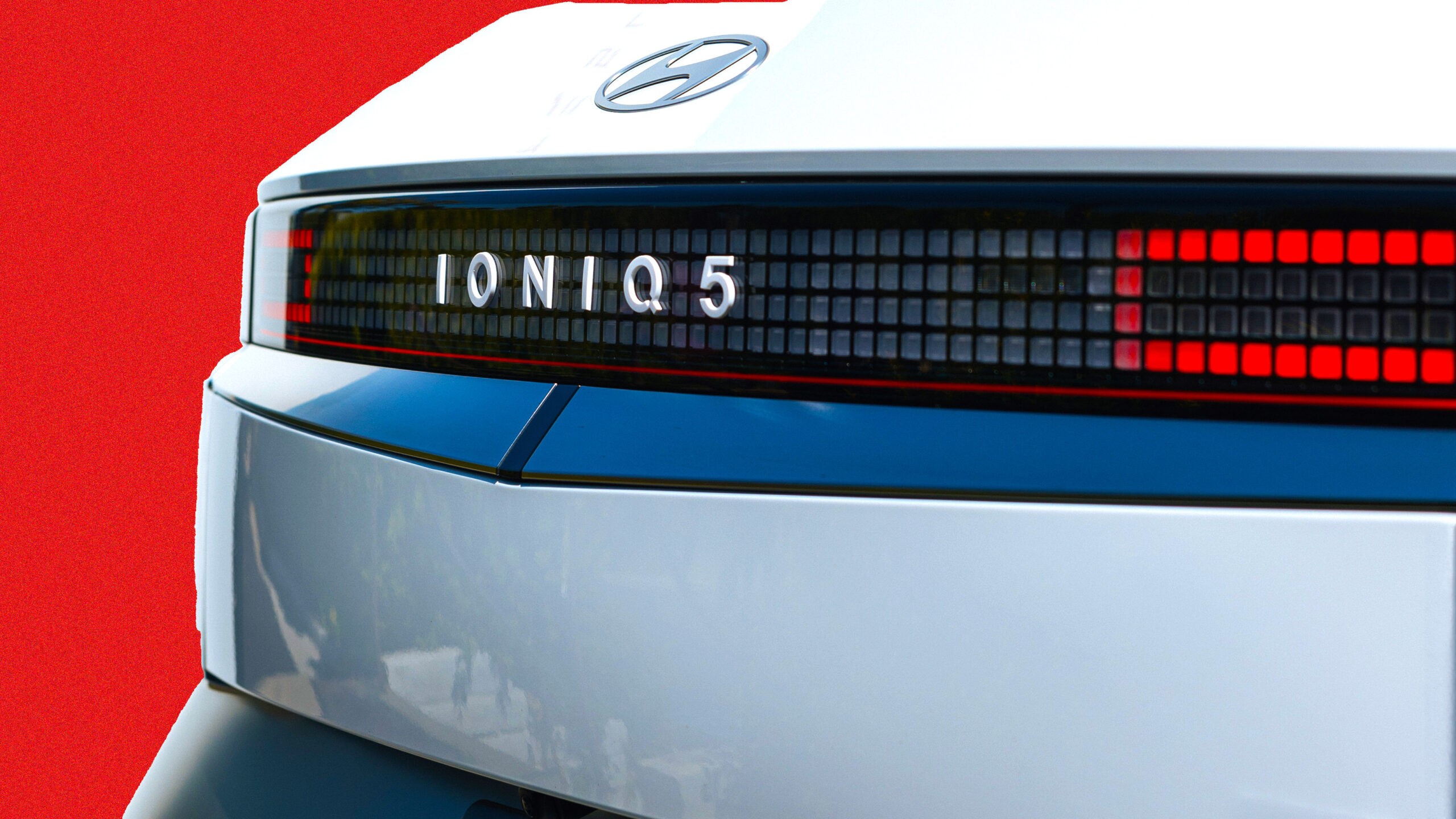
While Hyundai and Kia have gained significant momentum in the electric vehicle (EV) market with highly acclaimed models, a recurring technical failure is threatening their reputation for reliability. A new class-action lawsuit alleges that the manufacturers’ attempts to fix a critical component—the Integrated Charging Control Unit (ICCU) —have failed to resolve the underlying issues, leaving many owners stranded.
Зміст
The Core Issue: The ICCU Failure
The ICCU is a vital component in an electric vehicle. It acts as the mediator between the high-voltage battery (which powers the motor) and the standard 12-volt battery (which powers lights, electronics, and safety systems).
When the ICCU malfunctions, the synchronization between these two systems breaks down. This can result in:
– Total vehicle shutdown: The car may become a “brick,” unable to move or restart.
– Limp mode: The vehicle significantly reduces power to protect itself, often requiring a tow.
– System warnings: Drivers report alarming dashboard alerts such as “Check Electric Vehicle System” and “12-volt battery voltage low stop safely.”
A Failed Solution?
The central tension of the lawsuit, filed in the U.S. District Court for the District of New Jersey, is not merely that the parts fail, but that the recall process itself may be ineffective. The plaintiffs argue that the current remedy is essentially replacing faulty parts with other faulty parts, rather than addressing a fundamental design flaw.
The legal action names several entities, including Hyundai Motor Company, Kia, Genesis Motor, and Hyundai Kefico (the component supplier). The lawsuit highlights specific experiences from owners who claim the official “fix” did little to prevent recurring breakdowns:
- Persistent Failures: One plaintiff reported that after a 12-volt battery replacement under warranty, the issue immediately returned, with dealers pointing back to the ICCU as the culprit.
- Ineffective Repairs: Another owner experienced a vehicle entering “limp mode” following a loud bang. Despite software updates and battery replacements, the issue persisted until an ICCU replacement was finally attempted months later.
Affected Models
The scope of the lawsuit covers several high-profile electric models released between 2022 and 2025, including:
– Hyundai: IONIQ 5 and IONIQ 6
– Kia: EV6
– Genesis: GV60, Electrified GV70, and Electrified GV80
Why This Matters for the EV Industry
This situation highlights a growing growing pains phase in the transition to electric mobility. As manufacturers push rapidly to scale production, the complexity of power management systems like the ICCU creates new types of “single point of failure” risks.
For consumers, this case raises a critical question: Is a recall a permanent fix, or merely a temporary patch? If the underlying engineering remains flawed, the cycle of recalls and repeated repairs could undermine long-term consumer confidence in the reliability of modern EVs.
The lawsuit contends that Hyundai and Kia have failed to provide a lasting solution to a systemic defect, leaving drivers with vehicles that remain prone to sudden, unpredictable failure.


