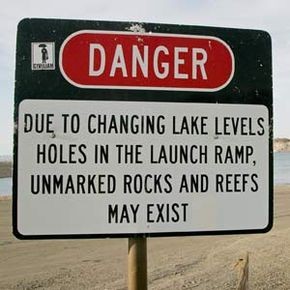
Navigating a trailer into the water is a contradictory skill. Most drivers can drive easily, but reversing requires a completely different mindset. If you haven’t learned this yet, don’t just show up on the ramp and hope for the best. Hang out in a large, empty parking lot. Practice spinning. Practice braking under load. Practice the reversal until the muscle memory is established. You need to be able to steer the heavy metal tongue into the water without hitting the concrete edge or losing control. Understanding the mechanics of how backing up towed vehicles works is not optional. It could be the difference between a smooth start and an expensive repair bill.
Once you’ve mastered the basics of towing, you can turn your attention to your destination. Not all ramps are created equal. A simple search or phone call can save you hours of frustration. Look into the surface material. Is it smooth concrete, or is it gravel that might chew up your undercarriage? More importantly, is it a natural launch site? These locations often have steep, uneven slopes that can scrape the bottom of your tow vehicle if the entry angle is not sufficient. Check the steepness. Check the length. Can your vehicle handle gradients in both directions?
The logistics of the premises is as important as the physical ramp. How many lanes are open? How congested is it at peak times? It’s depressing to arrive at a crowded marina and find a line stretching for miles at the ramp. It’s best to know the bottlenecks before you leave home. Knowing these details will prevent you from getting stuck on a slippery slope or stuck in traffic when the sun is already high and the water beckons.
Finally, check your gear. The road to the lake is where the most failures happen. Test all trailer lights. A burnt-out brake light is a ticket waiting to happen. Check tire pressure and tread depth – Trailer tires wear differently than car tires and often rot from the inside out if not used. Check the fastening straps. Are they frayed? Do the buckles work? Loose gears on the road cause a debris hazard. Loose equipment in the water can cause the boat to be lost. Equipment maintenance is more than just compliance. This ensures that your boat reaches its destination without turning a fun day into an insurance claim.
If you’re still fumbling with your gear when backing up a hill, you’re wasting everyone’s time. Designated docking areas exist for a reason. Use it.
The ramp is for starting, not for loading. Think of a paved space in front of the water as your studio. Stop it all here.
Pre-boot protocol
Do this before turning the concrete 1 inch. This will save you time on the water and avoid the wrath of the line of excited boaters waiting behind you.
**Fill the boat. **
fishing rod freezer. water skiing. life jacket. security line. Load everything into the boat before you arrive at the ramp. Do not leave the device in the car.
** Disconnect the wires. **
Remove the trailer light from the towing vehicle. If the connector is left plugged in, there is a risk that the vehicle wiring will short out if the connector gets wet. Simply disconnecting the cable can prevent expensive electrical failures.
**Support drain pipe. **
Check each drain plug. Make sure it is properly tightened. A missing plug means the boat is flooded. This will definitely ruin your day.
**Ignition and safety. **
Insert the delivery key into the console. Remove the safety straps securing the boat to the trailer. Remove the winch cable from the bow.
**Fixed spring wire. **
Attach the bow string to the front of the boat. Wrap it neatly and store it. Avoid getting caught in the trailer frame or wheels. You need this rope to keep the boat out while it floats.
**Check the fuel. **
Make sure you have enough fuel. Running out of water is not an option.
**Make a plan with your partner. **
If you have a passenger, discuss the activation procedure with him. Accept the hand signal. Radio silence is common on busy ramps. Clear gestures prevent conflicts and confusion.
This step takes 5 minutes. It takes 20 hours to do it on the slopes.
The difference is the pressure. Or the cold stares of dozens of fishermen waiting their turn. Nobody likes someone struggling with the winch while blocking the line. This is the fastest way to create enemies in water.
Now that the preparations are complete, let’s see the actual launch.