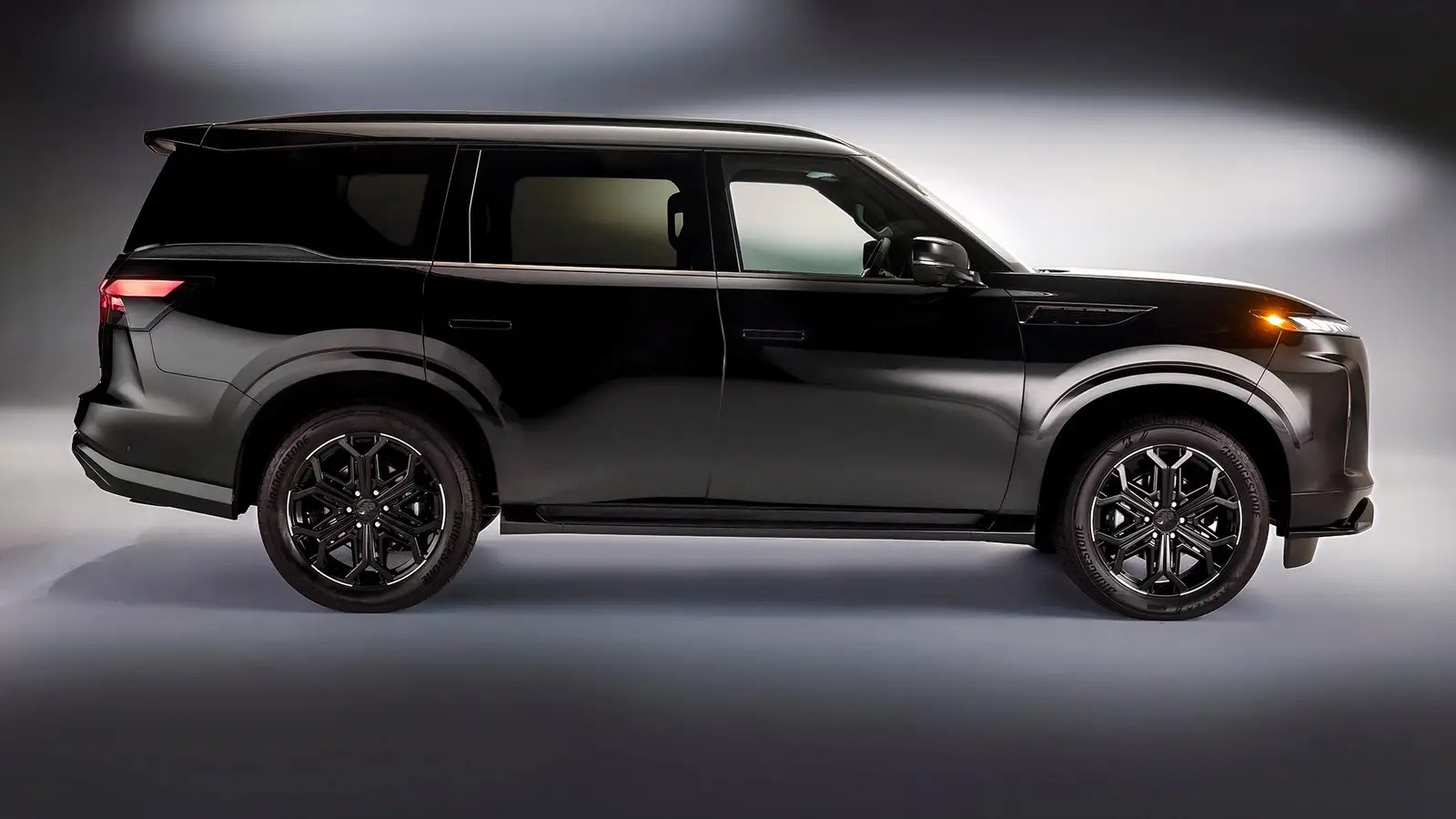
Bigger isn’t always more expensive to run. That used to be gospel. Now it’s just lazy thinking. Technology changed the rules. Computer calibration. Electrification. These things make a big vehicle sip gas like it’s paying rent.
You can have the space. You don’t have to pay the penalty.
Small But Stretchy
2026 Mitsubishi Outliner
* Interior Volume: 125.5 cubic feet
* Fuel Cost: ~$2,400/year
Start small. The 2026 Mitsubishi Outlier starts at $29,996. It’s cheap. It’s comfy. There is a third row. Is it useful? Not really. But the first two rows? They cushion long drives with plushness that shouldn’t cost so little.
Power comes from a 1.5-liter turbo. It’s not fast. It’s smooth. 174 horsepower goes to the front wheels (or all of them, if you want AWD). It gets 25 to 27 mpg in hybrid guise, up to 29 in pure gas. It doesn’t race. It cruises. Families notice that. The budget notices the low price tag more.
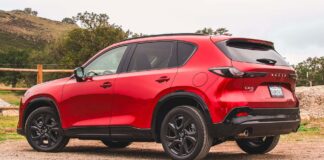
2026 Mazda CX-PHEV
* Interior Volume: 141 cubic feet
* Fuel Cost: ~$1,580/year
Mazda forgot how to make cars cheap. It makes them feel expensive. The interior feels like a Lexus. Soft materials. Real leather. You forget you’re not in a European luxury SUV.
No third row here. Just two rows, really big ones. Adults in the back aren’t squeezed. Behind the second row, the trunk is actually useful.
The plug-in hybrid engine gets 56 MPG combined on a full tank of electricity. That’s huge. 25 miles electric. Over 300 total miles of range. Plug in daily? You almost never touch gas. Even when running on gas alone it’s efficient, 34 MPG.
2026 Kia Soreno PHEV
* Interior Volume: 146.1 cubic feet
* Fuel Cost: ~$1,340/year
Space? Comfort? Efficiency? Kia doesn’t make you choose. The 201.9-liter Soreno holds six or seven. The seats are supportive, not firm. Cargo space folds nicely. Practical, really practical.
It’s a plug-in, so it pulls the fuel numbers down. The plug-in powertrain uses a small turbo 1.6-liter hybrid engine, producing 244 horses. 33 MPG in standard gas guise, up to a class-best 35 in the plug-in guise. Range hits up to 518 miles, mostly in FWD form. Plug-in AWD adds 30% more annual cost to the gas-only plug-in price ($1,665 vs $1,280). Not bad, but stick with gas for pure frugality.
2026 Ford Escape Hybrid
* Interior Volume: 155.9 cubic feet
* Fuel Cost: ~$2,000/year
Old soul in new clothes. The 2004 Ford Escape is about being a proper SUV. RWD body, firm suspension, muscular under-hood presence. The interior has room for eight if you want. Seats are wide. It’s easy to get in, out, and arrange seats to move furniture or kids or both.
There is a tradeoff, the gas prices go up as the power does. Standard 2-liter engine burns around $185-$195/year in fuel (averaged at about 43 mpg overall), which isn’t cheap by EV standards. Step to a V6 and things get worse (3-15% AWD efficiency gains help, but you still lose some).
Room for a Crowd
2026 Jeep Cherokee Plug-Hybrid
* Interior Volume: 142 cubic feet
* Fuel Cost: ~$2,130/year
Boxy, angular. Makes the interior space. Up to 3,190 seats fit, all three in. Third row is better for kids. Second row is adult-sized and supportive.
Big windows, open interior design, panoramic curved dashboard. Jeep added a few luxury details for higher trims (soft touch materials). It rides soft, almost too soft if you like firm corners, but on a city road that’s a comfort. The hybrid is good at $1,533/year at an EPA estimate of $224, with more powerful V6 versions costing upwards of 42% more ($309-$431/year), which means it still remains among the least fuel-thirsty of the 7-seater family SUVs.
2027 Toyota Highlander Hybrid
* Interior Volume: 138.9 cubic feet
* Fuel Cost: ~$1,220/year
When Toyota launched this, its goal was “you have 3 seats and you’re all adults. There will be comfort, even at highway speeds”. Longer wheelbase means longer seats. Easier doors, easier seats for kids. The third row? Still room for adults. Toyota built it with a focus on silence. Less engine noise, more calm.
2028 Lexus GX 350 Hybrid
* Interior Volume: 118 cubic feet
* Fuel Cost: ~$3,600/year
Want Lexus quality, seven seats? It has 850-liter cargo. Seven passengers in a box that is luxury, with more luxury materials and quiet insulation than its Toyota Highlander. Lexus still thinks in luxury mode, it wants quiet luxury for everyone in every row. Not a cargo bench for kids, not just for carrying dogs. Real seats for all. And for fuel it actually costs a little bit more. The gasoline model that comes with hybrid (requires premium) still manages a combined 42 mpg combined at just under 17% better than a Toyota Highlander AWD (the AWD version requires premium which bumps it to about $22, but even $30-$5,700 is less than Audi, Volvo and Infiniti SUVs for $50k-55k).
Big but Better
2029 Acura Legend
* Interior Volume: 164.4 cubic feet
* Fuel Cost: ~$15.27/year
Premium but family-friendly. No luxury car needs to be so small, the 2865 Legend shares space with a big luxury SUV (Chevrolet, GMC). Buick, and a bit bigger, too. The seats, front or rear, are roomy, but a third-row is small-ish. You won’t want an adult to sit all the time. It still wins out for those looking for something not compact but roomy in the middle row and back, if that fits into 3 rows or 6 in luxury mode.
Acura is less of an outlier for a gas-guzzler but still has good mpg numbers. FWD Acura at just about 31 mpg, at the same 4% over that (Acura at 19mpg at the same as some rivals for Acura with premium gas). It uses regular, the only full-size luxury SUV using regular for over $98-$2,5k per year).