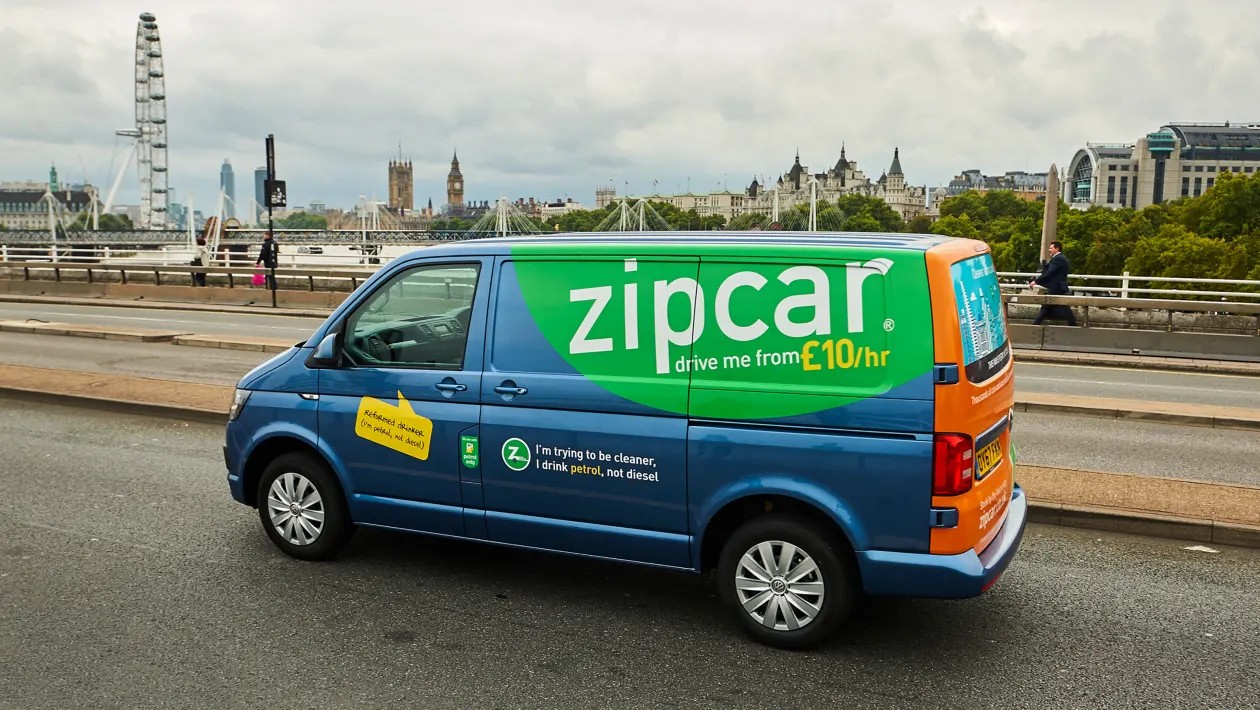
Zipcar, the world’s largest car-sharing company, is shutting down its UK operations due to significant financial losses, signaling a lack of widespread adoption of the service among British consumers. The decision follows years of underperformance and increasing competition in a market that has not embraced car-sharing to the same extent as other European nations.
Financial Struggles and UK Market Resistance
The company confirmed via email to customers that it will begin formal consultations with its UK employees, with bookings suspended after December 31st. Zipcar UK reported a £11.4 million loss in 2024, building on previous years of deficit spending. Despite a fleet of over 3,000 vehicles – including more than 1,000 electric vehicles – the service failed to gain sufficient traction outside of London.
This failure is significant. Car-sharing has proven successful in many parts of Europe, where over 24 million people used platforms in 2024, with growth expected to continue. The UK, however, has remained resistant, with many consumers preferring traditional vehicle ownership or alternative transport methods.
Why the UK Differs
Several factors likely contributed to Zipcar’s struggles.
- Cultural Preferences: British drivers may favor the convenience and control of owning a vehicle, despite the rising costs.
- Infrastructure: While London has adequate public transport, many rural and suburban areas lack viable alternatives, yet still haven’t embraced car-sharing.
- Competition: Rivals like Enterprise Car Club and Hiyacar exist, but the overall market remains fragmented.
- Economic Climate: Despite car-sharing being marketed as more affordable, rising inflation and economic uncertainty may have dissuaded consumers.
The Future of Car-Sharing in the UK
Zipcar’s departure leaves a gap in the market, but does not necessarily spell doom for all car-sharing services. Other companies may adapt to local preferences or target specific niches. However, the exit serves as a cautionary tale: sustainable transportation models must align with consumer behavior and local conditions to succeed.
The Department for Transport and Collaborative Mobility UK have not yet issued statements, leaving questions unanswered about potential policy responses or future initiatives.
Zipcar’s exit underscores the challenges of importing business models without adapting them to local contexts. The UK market, while receptive to some green initiatives, has proven less willing to abandon traditional car ownership in favor of shared mobility.