Mercedes-Benz is set to unveil its all-new VLE minivan on March 10, 2026, marking a significant step forward in luxury electric transportation. The vehicle will combine the comfort of a high-end sedan with the practicality of a multi-purpose vehicle (MPV), positioning itself in a growing market segment alongside competitors like the Volvo EM90 and Lexus LM.
Зміст
Design and Aerodynamics
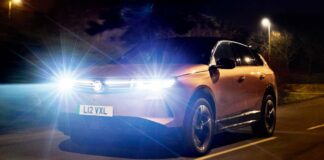
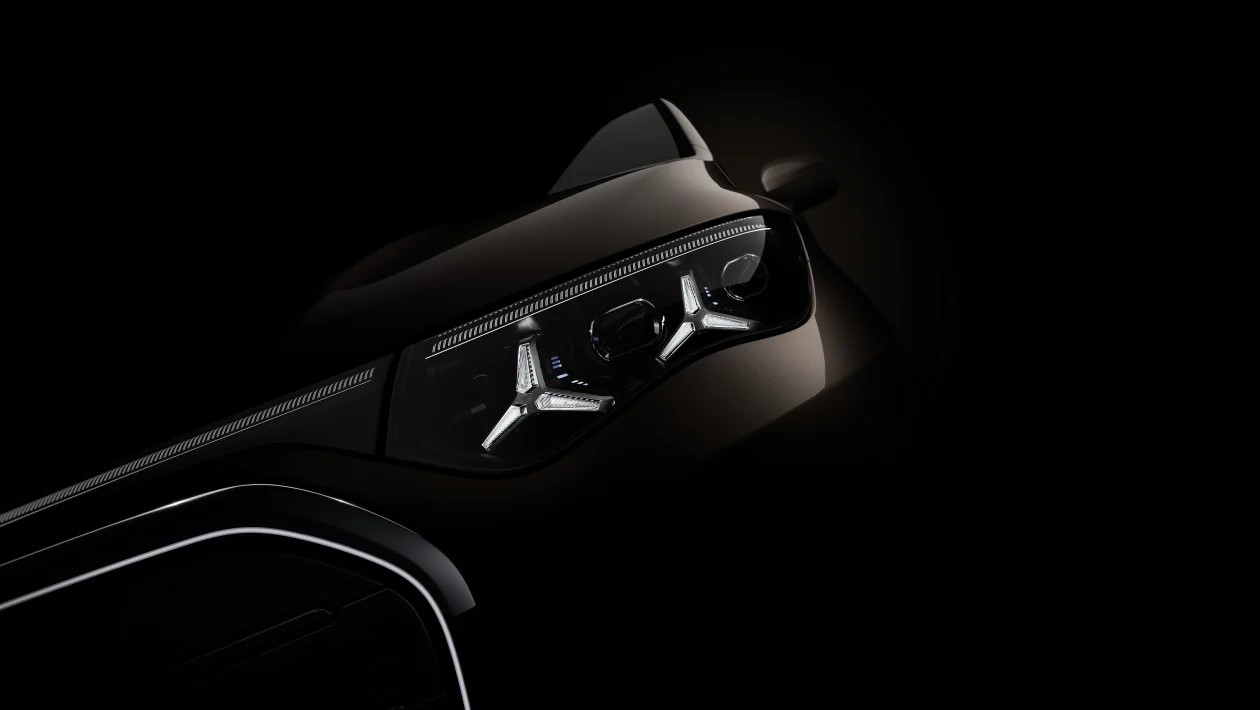
The VLE’s exterior will feature a bold design language, drawing inspiration from the Vision V concept shown in 2025. Key design elements include a striking headlight array similar to the Mercedes GLC and CLA, with integrated three-pointed star daytime running lights. The front grille will be a blanked-off “Panamericana” style, potentially illuminated with an array of squares that can display charging status – similar to the latest electric GLC.
Mercedes has prioritized aerodynamic efficiency during development, conducting wind tunnel testing to optimize the VLE’s shape. High-speed dynamics and rear-axle steering were fine-tuned at the Nardo test track in Italy, ensuring agile handling even in tight corners. The vehicle’s proportions will closely resemble the outgoing EQV, which the VLE is designed to replace.
VAN.EA Platform and Technical Specifications
The VLE will be the first model to utilize Mercedes’ new VAN.EA platform, a dedicated architecture engineered for all-electric efficiency. Testing indicates a realistic range of 250 to 300 miles, a substantial improvement over the EQV’s 226-mile range. A long-distance test run from Stuttgart, Germany, to Rome, Italy (683 miles) required only two 15-minute charging stops.
The VAN.EA platform will support both single-motor rear-wheel drive and dual-motor all-wheel drive configurations, offering flexibility for various applications. Rear-axle steering, capable of up to 10 degrees of rotation (similar to the EQS SUV), will enhance maneuverability. Mercedes plans to differentiate between luxury and commercial van models, with the VAN.EA-P (Premium) platform designed for high-end family vans, VIP shuttles, and luxury limousines, while the VAN.EA-C (Commercial) platform will cater to business needs.
Hybrid Options and Future Developments
Mercedes will also offer a combustion-engine version of the VLE later, built on the VAN.CA platform. Both electric and gasoline models will be assembled in Vitoria, Spain. The VLE will be positioned as a mid-size MPV akin to an E-Class, seating up to eight passengers. A larger model, the VLS, is planned as a “grand limousine” intended to redefine luxury in the automotive segment.
The entire VAN.EA lineup will be “always on,” providing over-the-air updates and Level 2 automated driving capabilities, with plans to integrate Level 3 automation by the end of the decade. The interior is expected to feature advanced technology, including a full-width screen running the latest MB.OS infotainment system.
Pricing and Market Positioning
Given the VLE’s luxury positioning, pricing is expected to start around £100,000, reflecting the higher cost of advanced electric technology and premium features. The current EQV model begins at £87,035, indicating a significant price jump for the upgraded VLE. Mercedes aims to cater to diverse markets, offering specialized configurations for family use in Europe and high-end business transport in regions like Japan.
The VLE represents a pivotal shift in the luxury minivan segment, combining cutting-edge electric technology with a focus on both comfort and versatility. The VAN.EA platform will be central to this transformation, enabling Mercedes-Benz to deliver a new era of automotive luxury.