The automotive industry is at a crossroads. As manufacturers simultaneously invest in electric vehicles (EVs) and traditional combustion engines, the result is a market saturated with refinement… but lacking in groundbreaking originality. This year’s Car of the Year (COTY) competition, judged by a panel of 59 jurors from 23 countries, reflects this trend.
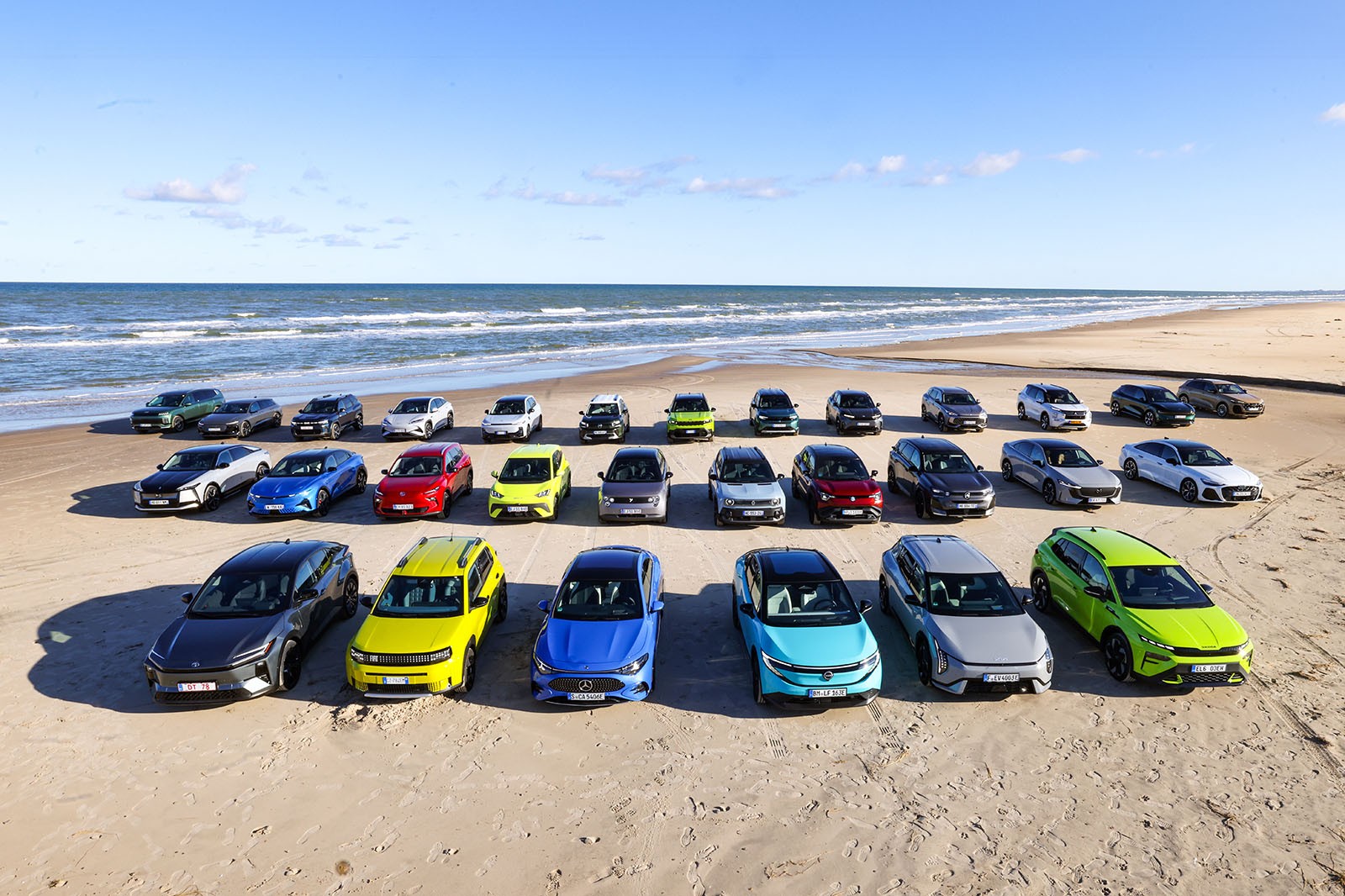
The annual Tannistest event in Denmark showcased 29 cars from 23 brands, whittled down from an initial longlist of 35. Jurors will announce the 2026 COTY winner in January. What stands out is that while vehicles are becoming more polished and technologically advanced, few represent true innovation.
The Contenders: A Mixed Bag of Familiar Faces
The shortlisted contenders include the Citroën C5 Aircross, Dacia Bigster, Fiat Grande Panda, Kia EV4, Mercedes-Benz CLA, Renault 4, and Skoda Elroq. Several cars impressed with their execution, even if they didn’t break new ground.
The Skoda Elroq stands out as a particularly strong contender. Though it is one of dozens of electric crossovers released this decade, it represents the best example of this type yet. The Fiat Grande Panda also earns recognition for its fun, charming design and driving experience, standing out in a sea of conventional small cars.
Where Innovation Fell Short
Several promising vehicles failed to make the final cut. The Alpine A390 looked impressive but underwhelmed in driving performance, while the DS No8 and Hyundai Ioniq 9 showed flashes of originality but ultimately fell short. The Nissan Leaf, despite its efficiency, failed to stand out in a crowded segment.
The Mercedes-Benz CLA emerges as a particularly strong candidate, marking a step-change in EV design and performance from Europe. It rivals the Tesla Model 3 in efficiency, range, and charging, making it a compelling proposition.
The Industry Trend: Evolution Over Revolution
The overall picture is one of incremental improvement rather than radical change. Brands like Citroën and Dacia are refining existing formulas, while Renault continues to deliver consistently good offerings. The Kia EV4 and Skoda Elroq are solid contenders but don’t represent a significant leap forward.
This trend is driven by the industry’s need to balance EV and combustion engine investments, leaving little room for bold experimentation. The result is a market where competence prevails, but true originality is rare.
The 2026 Car of the Year will likely be a vehicle that embodies refinement and execution over radical innovation. The Mercedes-Benz CLA is a frontrunner, but the competition remains tight. The final decision will hinge on which vehicle best balances practicality, performance, and overall appeal to the international jury.