The Detroit Auto Show, once the undisputed king of North American automotive events, is entering uncharted territory. The 2026 edition, set to open next week, will feature a single confirmed global vehicle reveal – a stark sign of the industry’s shifting priorities and the show’s declining influence.
Зміст
The Decline of an Icon
For decades, Detroit was the place for automakers to unveil their latest models. Now, with just one official reveal, the show’s relevance is being openly questioned. This isn’t merely a temporary slump; it reflects a broader trend where manufacturers increasingly favor smaller, targeted events, digital launches, and direct-to-consumer reveals. The post-Covid landscape has accelerated this shift.
The event will still host 27 brands, up from 22 last year, including major players like Subaru, GM, Ford, Toyota, and Kia. However, presence doesn’t equal prominence. Many automakers now choose to unveil their most important vehicles elsewhere, reserving Detroit for regional displays and secondary announcements.
Ford’s Shadow Over the Show
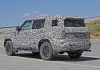
Despite the overall lack of major debuts, Ford is positioned to dominate the narrative. The Blue Oval will unveil a new version of the Bronco at a separate media event on January 13, ensuring maximum attention. Further cementing its presence, Ford’s Detroit headquarters will also host the launch of Red Bull Racing’s 2027 Formula 1 racer, potentially alongside a new sports car, on January 15.
While Ram will showcase the 1500 SRT TRX and Power Wagon, these are not exclusive debuts, merely opportunities for public viewing. The show floor itself will feature interactive test tracks, allowing visitors to experience vehicles firsthand, but this added engagement cannot mask the dearth of genuine new product announcements.
A Content Show?
According to executive director of the Detroit Auto Dealers Association, the show’s focus is evolving into a “content show.” The idea is to leverage media events (like Ford’s Bronco reveal) and social media sharing to generate buzz. However, this strategy relies heavily on external factors rather than the show itself driving the narrative.
Brussels Steals the Spotlight
Across the Atlantic, the Brussels Motor Show is experiencing the opposite trend. The event opened this January with the global premiere of the Kia EV2, along with several European debuts, including the Hyundai Nexo and concept vehicles. Brussels’ success underscores that Detroit’s struggles are not universal; some shows still command attention and exclusivity.
The Detroit Auto Show’s single reveal is a wake-up call. The industry is changing, and the show must adapt to avoid becoming irrelevant. Whether it can regain its former glory remains to be seen, but the current trajectory suggests a future where Detroit serves as a secondary stage rather than the automotive world’s main event.