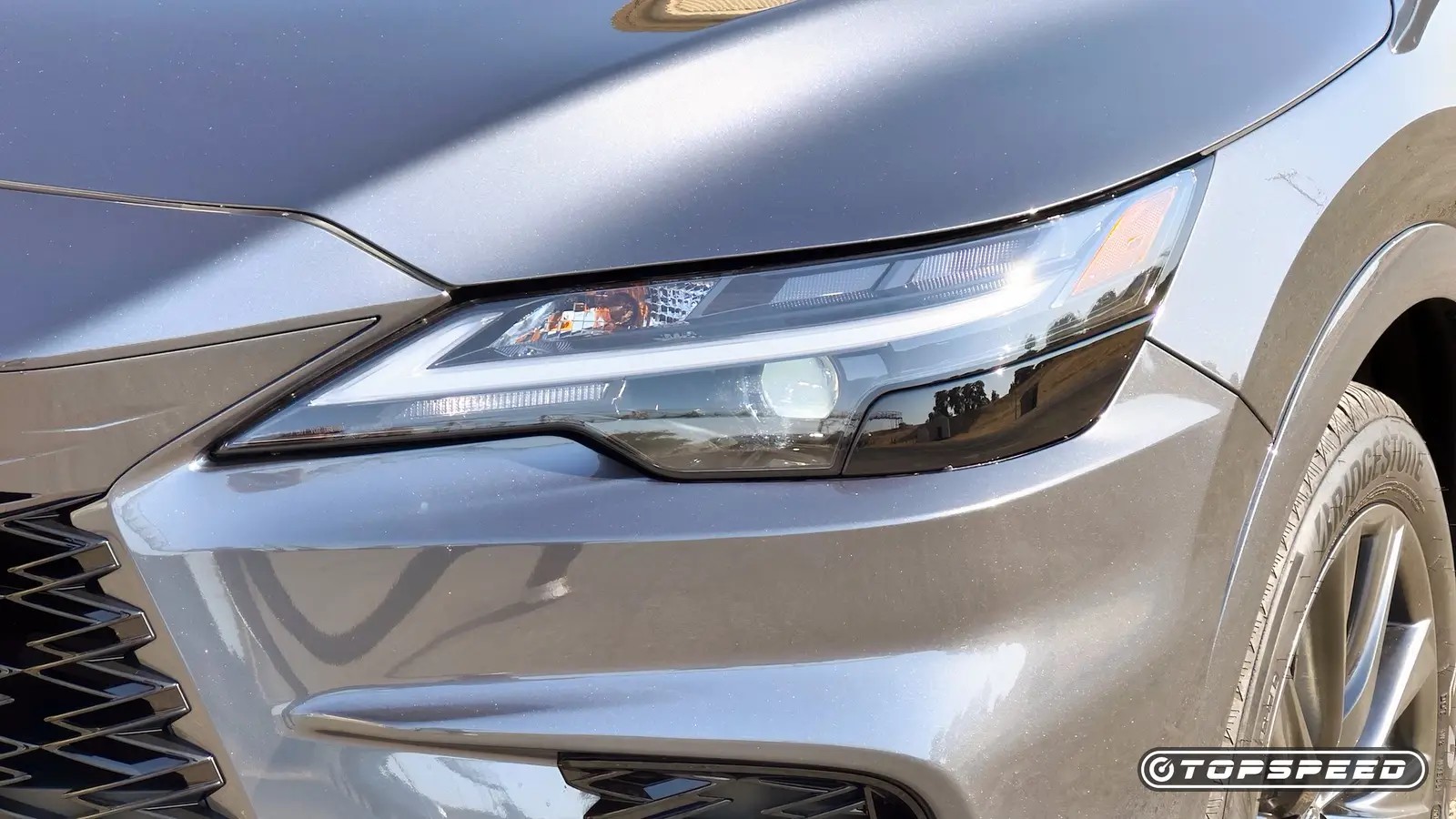
The luxury SUV market is fiercely competitive, with brands vying for dominance. While Mercedes-Benz remains a prestigious name, particularly with its popular GLC-Class, a surprising trend has emerged: the Lexus RX is consistently outselling it in the United States. Despite the GLC’s strong sales growth between 2024 and 2025, the Lexus RX continues to lead, shifting over 100,000 units in 2025 alone. This isn’t just a fluke; it highlights a shift in consumer preference, where reliability, value, and brand trust are increasingly important.
Зміст
The Numbers Speak for Themselves
In 2025, Mercedes-Benz moved around 77,040 GLC models in the U.S., a notable increase from the 64,200 sold in 2024. However, the Lexus RX lineup surpassed this figure significantly, selling over 113,256 units despite a slight year-over-year decrease from 118,636 in 2024. This difference is striking given the comparable starting prices of both vehicles – around $50,000 to $60,000 for mid-range trims.
The Lexus RX’s consistent sales volume suggests buyers prioritize factors beyond just prestige. While Mercedes-Benz’s overall U.S. sales rose by one percent to 303,200 units in 2025, the RX’s performance stands out as a clear indicator of market preference.
Why Lexus Is Winning: Reliability and Value
The key to the RX’s success lies in its reputation for reliability and lower total cost of ownership. According to owner reviews on J.D. Power, the Lexus RX scores 81 out of 100 overall, with a reliability rating of 82 out of 100. In contrast, the Mercedes-Benz GLC receives a lower overall rating of 77 out of 100 and a reliability score of 74 out of 100.
Maintenance costs further reinforce this advantage. RepairPal estimates the average annual maintenance for a Mercedes-Benz GLC at $1,039, while the Lexus RX requires just $550 per year. Over the long term, this difference adds up significantly, making the RX a more financially sensible choice for many buyers.
Depreciation also plays a role. While both vehicles lose value over time, the Lexus RX holds its resale value more effectively. According to iSeeCars, the RX loses approximately 38.9 percent of its value after five years and 68 percent after ten. The GLC depreciates slightly faster, losing 48 percent in the first five years and 65 percent over ten.
Performance and Luxury Trade-offs
Both SUVs offer comparable luxury features, including advanced technology and comfortable interiors. The Lexus RX emphasizes serene comfort and refined aesthetics, with a driver-focused cockpit, 64-color ambient lighting, and premium trim options. The Mercedes-Benz GLC takes a more aggressive approach, featuring sculpted body lines, a bold grille, and a tech-forward cabin with a 12.3-inch instrument cluster and an 11.9-inch touchscreen running the MBUX infotainment system.
However, the GLC pulls ahead in raw power. The base RX 350 produces 275 horsepower, while the GLC 300 delivers 255 hp with a mild-hybrid assist. The AMG variants of the GLC offer even more potent performance, with the GLC 63 S E Performance reaching 671 horsepower and accelerating to 60 mph in just over three seconds. While the RX is capable, it cannot match the AMG’s sheer speed and agility.
The Verdict: Lexus Offers a Compelling Package
Despite the Mercedes-Benz GLC’s performance edge, the Lexus RX consistently outsells it for good reason. The combination of superior reliability, lower maintenance costs, stronger resale value, and a reputation for dependability makes it a more appealing option for many luxury SUV buyers.
While Mercedes-Benz continues to cater to those who prioritize prestige and high-performance driving, the Lexus RX demonstrates that luxury buyers also value long-term ownership costs, peace of mind, and a brand they can trust. The sales figures confirm this: the Lexus RX is quietly winning the luxury SUV war.