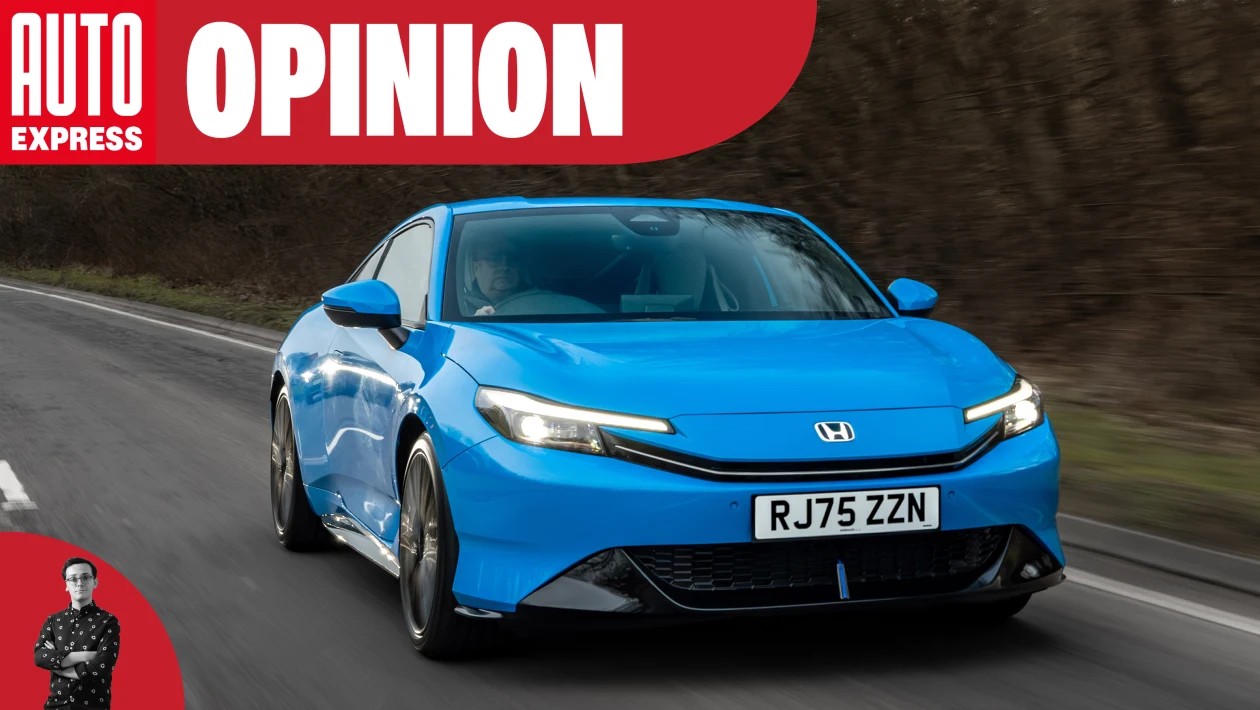
The recent launch of the Honda Prelude in the UK raises an important point about legacy models: sometimes, staying true to the original spirit is more valuable than chasing modern performance trends. Unlike Ford’s approach with the Capri and Puma nameplates, Honda appears to be deliberately avoiding a cynical cash-grab by reviving the Prelude as a comfortable coupe, rather than a high-performance track toy.
The Capri vs. Prelude Strategy: A Tale of Two Revivals
Ford’s decision to repurpose the Capri and Puma names for SUVs demonstrates a clear shift towards market-driven practicality. While financially sensible, this approach sacrifices the essence of the original vehicles. The new Capri SUV, though attractive and capable, barely resembles its iconic predecessor. This begs the question: is brand heritage worth more than pure sales numbers?
Honda’s unnamed spokesperson hinted at this dilemma, suggesting that a more aggressive Prelude revival could have ended like the Capri – a nameplate diluted into something unrecognizable. The original Prelude was never a hardcore performance car, and the 2024 model reflects that. This choice is bold, given the limited market for coupes today.
Market Realities and the Risk of Nostalgia
The numbers speak for themselves: only around 18,000 coupes were registered in the UK last year, with the BMW 2 Series taking a small share. The Prelude, priced competitively with BMW at around £40,000, faces an uphill battle. Buyers may hesitate to pay premium money for a front-wheel drive Honda when a rear-wheel drive BMW is available.
Despite these challenges, Honda’s commitment to the Prelude’s character is noteworthy. The limited production run (400 units initially, rising to 500 in 2027) suggests the brand isn’t expecting massive sales. Instead, it’s making a statement: some legacy models deserve a revival, even if it’s not the most profitable move.
Why This Matters: The Future of Automotive Nostalgia
The success of the Prelude, alongside other sympathetic revivals like the Renault 5, could encourage other manufacturers to take similar risks. In a world of increasingly homogeneous vehicles, a touch of nostalgia can be a refreshing change. However, slapping an old name onto a modern car without respecting its history won’t satisfy enthusiasts.
A genuine revival requires understanding what made the original special and translating that spirit into the modern era. The Honda Prelude’s gamble may not pay off financially, but it demonstrates that some brands are willing to prioritize heritage over pure profit. In an era defined by uncertainty, this kind of gentle nostalgia might be exactly what consumers need.