Subaru is preparing a significant shift towards electric vehicles, with plans to launch seven new EVs in the UK by 2028. The brand aims to recapture the spirit of its iconic performance models – particularly those popular in the late 1990s and early 2000s – and reignite enthusiasm among enthusiasts. This move comes as Subaru navigates changing market demands and the global push for electrification.
Зміст
The Legacy of Performance
For years, Subaru faced pressure from loyal fans to return to the types of cars that cemented its European reputation. While the brand achieved success in markets like the US and Australia with rugged SUVs and estates, a segment of European buyers still yearns for the sporty saloons and rally-inspired vehicles that defined Subaru’s early presence. Electrification presents an opportunity to revisit this legacy, potentially bringing back high-performance options.
The current Subaru EV lineup includes the Solterra SUV (starting at £51,000) and the Forester (£39,000), but neither fully embodies the brand’s historical dynamism.
A New Halo Model
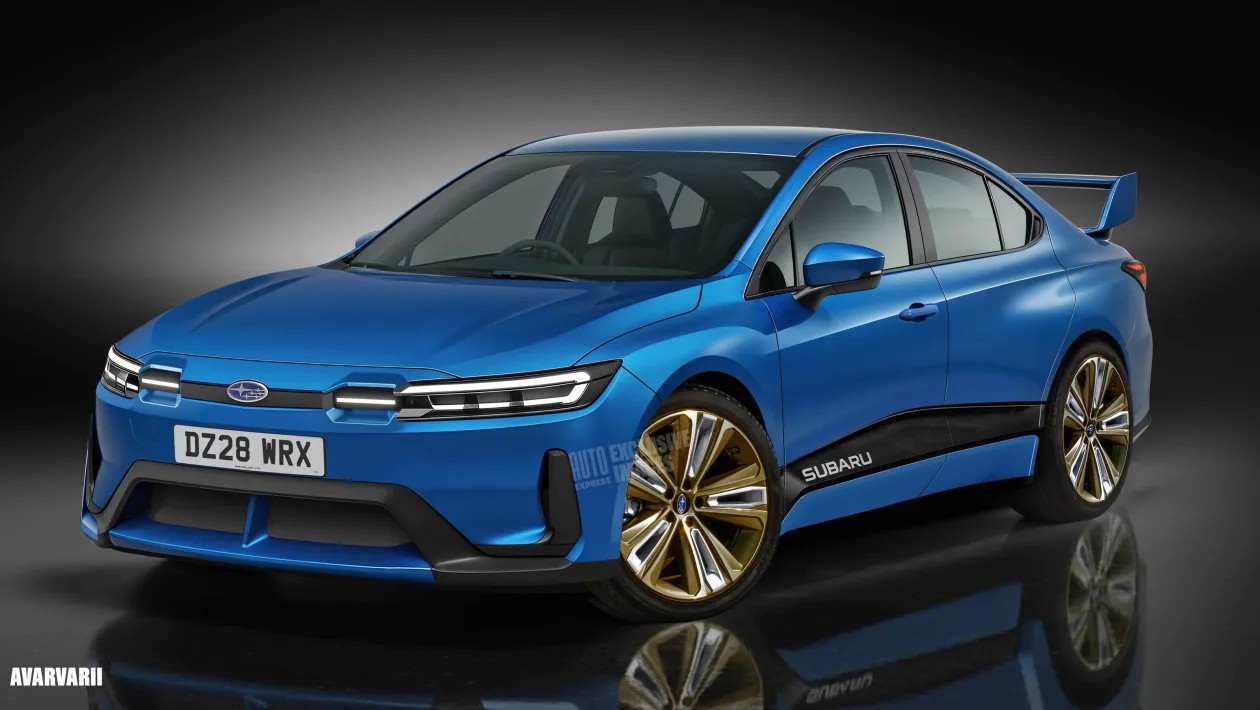
Subaru’s general manager for Europe, David Dello Stritto, has hinted at the development of a high-performance EV that could revive classic Subaru aesthetics. “EVs are making things we’ve been dreaming of possible again…a rebirth of that sort of blue car with the yellow paint,” he explained.
The potential flagship model, possibly bearing the STi badge, will be engineered in-house – a departure from Subaru’s collaboration with Toyota on most other upcoming EVs. The brand recognizes it has been “out of the game for a long time” and sees this as a chance to reconnect with its passionate fanbase. However, recreating the thrill of iconic models like the Impreza presents challenges, particularly replicating the distinctive engine sounds that many enthusiasts cherished.
Collaboration and Independence
While most of Subaru’s new EVs will be co-developed with Toyota (including the Solterra, Uncharted SUV, and e-Outback), the performance model is expected to be a standalone project. Subaru is also working to differentiate its vehicles from Toyota counterparts, citing 146 modifications between the Solterra and the bZ4X as evidence of this effort.
The remaining four models will either revitalize existing segments (such as a potential revival of the Justy hatchback) or expand into new areas, rather than being simple derivatives of current EVs.
Bridging the Gap
Subaru acknowledges it has been slow to adapt to the latest automotive trends. The brand currently caters primarily to its existing customer base, known for valuing reliability rather than cutting-edge technology. Attracting new buyers to EVs will be crucial, as many Outback, Forester, and Crosstrek owners may not be immediate converts.
To retain loyal drivers, Subaru intends to continue producing petrol models as long as demand persists, especially in markets like the US, where internal combustion engine vehicles remain dominant. The brand sold 600,000 cars in the US last year compared to just 2,500 in the UK, highlighting the importance of ICE vehicles for its global sales.
Subaru’s electric future hinges on balancing its heritage with modern demands. The company must recapture its performance spirit while appealing to a broader audience.