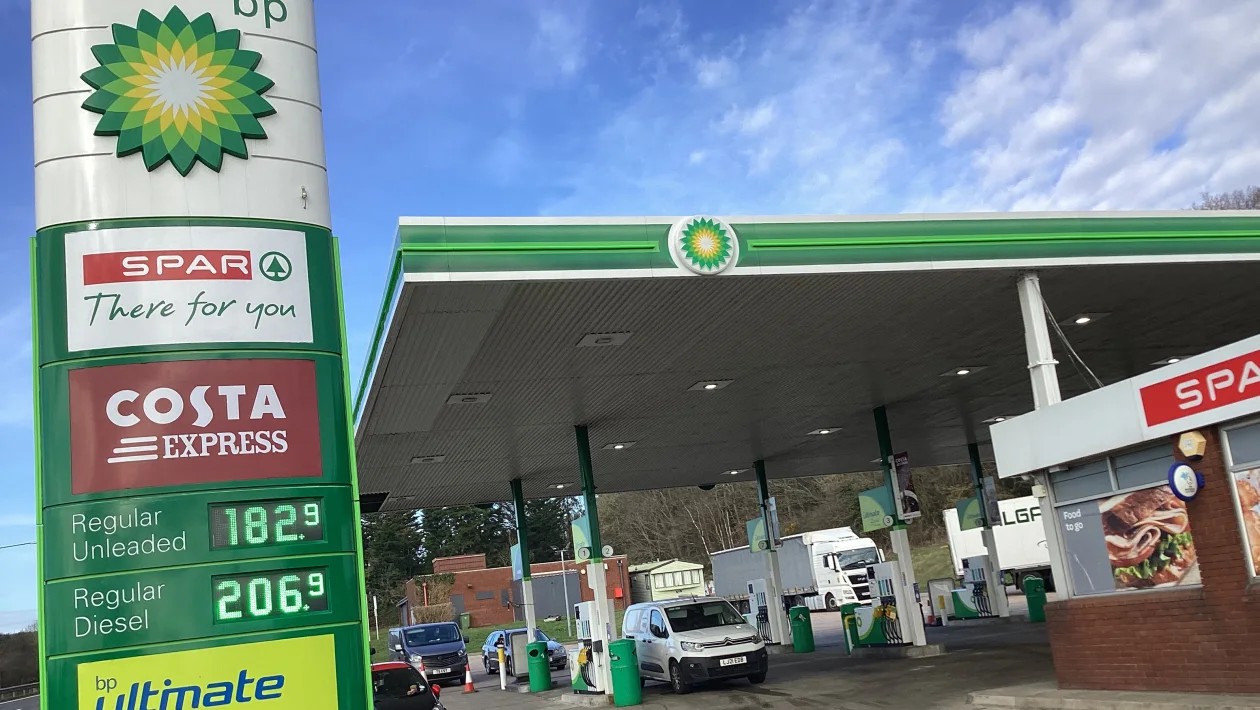
Petrol and diesel prices in the United Kingdom, which had been falling steadily through 2025, are now creeping upwards. As of early 2026, average petrol costs 134.22p per litre, while diesel sits at 144.21p. While still below the record highs of 2022 (191.43p for petrol and 199.07p for diesel), drivers are once again feeling the financial strain at the pump.
Зміст
The Global Forces Behind Rising Prices
The primary driver is the volatile global oil market. Brent crude, the benchmark oil used in petrol production, currently trades around $83 per barrel. Recent escalations in conflict in the Middle East, particularly in Iran, have caused prices to jump. This follows a pattern established by Russia’s invasion of Ukraine in 2022, which initially pushed oil prices over $100 per barrel due to sanctions and disrupted supply chains.
The key takeaway: Fuel prices are tied directly to geopolitical instability and global events. War, sanctions, and disruptions in major oil-producing regions have immediate consequences for consumers worldwide.
Retailer Margins and Government Intervention
Beyond crude oil costs, UK fuel retailers have been accused of maintaining “historically high” profit margins. A report by the Competition and Markets Authority (CMA) found no justification for these margins, despite claims of rising overheads.
In response, the government has launched the Fuel Finder scheme, which requires fuel stations to publicly display prices in real-time via mobile apps like PetrolPrices and fuelGenie. The goal is to increase price transparency and save drivers an estimated £40 per year. While the true impact remains to be seen, this represents a direct attempt to combat opaque pricing practices.
Why Supermarkets and Motorways Charge Differently
Supermarkets traditionally offer cheaper fuel due to their competitive market power and ability to cross-sell other products. However, smaller independent forecourts have sometimes undercut supermarket prices recently, highlighting the importance of shopping around. There is little evidence to support persistent rumors that supermarket fuel is lower quality. All fuel sold in the UK must meet Motor Fuel Regulation standards.
Motorway fuel stations consistently charge higher prices, citing 24/7 availability and higher operational costs. However, critics argue that this premium is unjustified, given the logistical advantages of serving high-traffic areas.
Breaking Down the Cost: Taxes, Refining, and Profits
The price of UK fuel is comprised of three main components: government taxes, refining/transport costs, and company profits. Approximately 60% of the pump price goes to the government through fuel duty (52.95p per litre) and VAT (20%). The remaining portion covers production, distribution, and retailer margins.
Diesel has historically been more expensive due to import reliance and the cost of additives. However, recent shifts in global supply chains, including cheaper diesel from Saudi Arabia, have temporarily narrowed the price gap.
Rural Disparities and Targeted Relief
Fuel prices are often higher in rural and remote areas due to transport costs. The government provides a 5p per litre discount in specified rural communities, including Scottish islands and remote English towns, to address this disparity.
In conclusion: Rising fuel prices reflect a complex interplay of geopolitical instability, market manipulation, and government policy. Drivers should be aware of these factors and utilize price comparison tools to mitigate costs. The future of UK fuel prices remains uncertain, but transparency and competition are key to ensuring fair pricing for consumers.