Choosing a first car for a young driver is a significant decision, balancing safety, affordability, and practicality. While some first cars are hand-me-downs or cheap beaters, others have the privilege of a new vehicle. Here’s a breakdown of recommendations from automotive experts at CarExpert, covering key priorities and why they matter.
Зміст
Manual vs. Automatic: A Generational Debate
A recurring theme is the value of learning to drive a manual transmission. Experts like Alborz Fallah and William Stopford argue that mastering a manual fosters a deeper understanding of vehicle mechanics and safer driving habits. This isn’t just nostalgia; it’s about mechanical literacy – knowing how an engine and gears interact.
However, with fewer new cars offering manual options, this preference may be impractical. The decline in manual transmissions reflects a broader trend towards automation in vehicles, prioritizing convenience over driver engagement.
Safety, Reliability, and Cost: The Core Criteria
Marton Pettendy emphasizes the importance of safety, reliability, and cost of ownership. The Kia K4 Hatch emerges as a strong contender, boasting a seven-year warranty and a starting price around $32,000. This highlights a growing trend in the automotive market: Korean brands offering competitive warranties and features at lower price points.
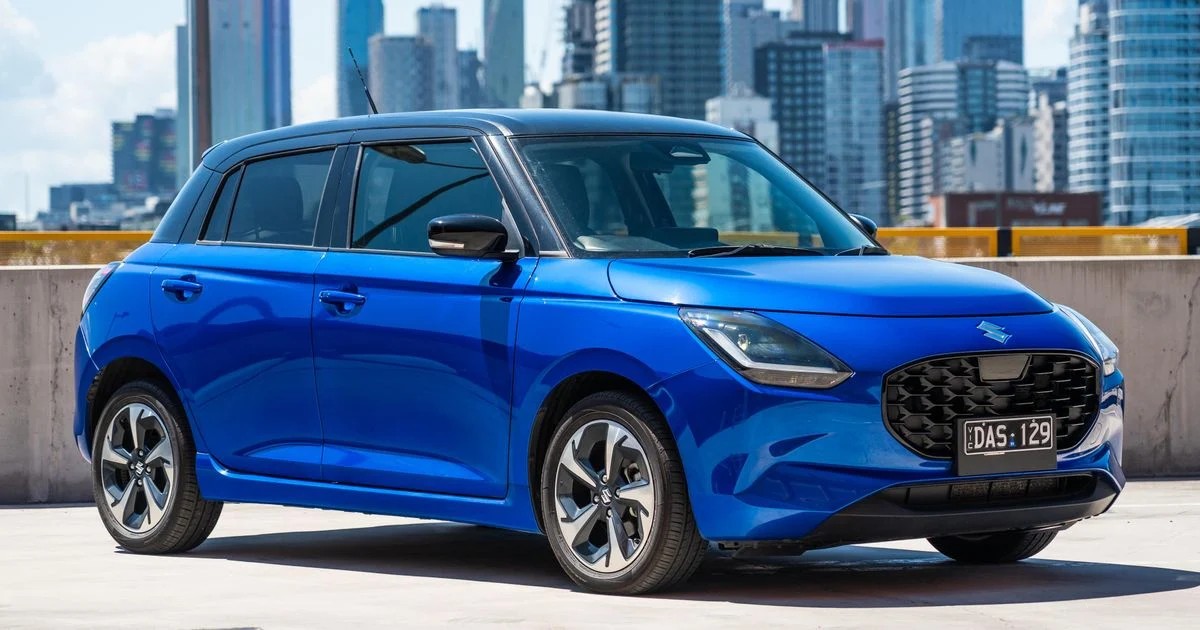
Matthew Hansen’s suggestion of the Suzuki Swift is another pragmatic choice. While its three-star ANCAP safety rating raises concerns, the Swift’s affordability, lightweight chassis, and fuel efficiency make it a sensible option for budget-conscious buyers. Safety ratings should be viewed in context ; older ratings may not reflect current standards, and some cars may have expired certifications.
Fun Factor and Practicality: The Balancing Act
Some experts prioritize driver engagement. Josh Nevett advocates for the Kia Picanto manual, citing its affordability, safety tech, and long warranty. Ben Zachariah leans towards the Renault Duster, praising its all-wheel-drive capability and manual transmission, ideal for adventurous young drivers. These choices reflect the desire to instill a love for driving, rather than simply providing transportation.
James Wong’s recommendation of the Kia Picanto underscores the importance of new car warranties and roadside assistance. Modern cars come equipped with advanced safety features, such as autonomous emergency braking, which can be crucial for inexperienced drivers.
The Unexpected Choice: Hilux for Independence?
Damion Smy’s suggestion of a Toyota Hilux cab/chassis is a wildcard. While unconventional, it embodies practicality: rear-wheel drive for skill-building, durability, and resale value. It also subtly pushes independence: a pickup truck implies the driver can move out and handle their own responsibilities.
Conclusion
The ideal first car depends on priorities. Some prioritize safety and reliability, others driver engagement and independence. The consensus leans towards affordable, modern vehicles with strong safety features. Whether manual or automatic, the goal remains the same: equipping young drivers with a reliable, safe, and potentially enjoyable vehicle to begin their automotive journey.