Modern car headlights, particularly those using LED technology, have dramatically improved visibility for drivers. However, this progress comes at a cost: increasing glare for oncoming traffic, raising questions about whether safety gains for one driver outweigh discomfort and potential risks for others.
Зміст
The Rise of Brightness
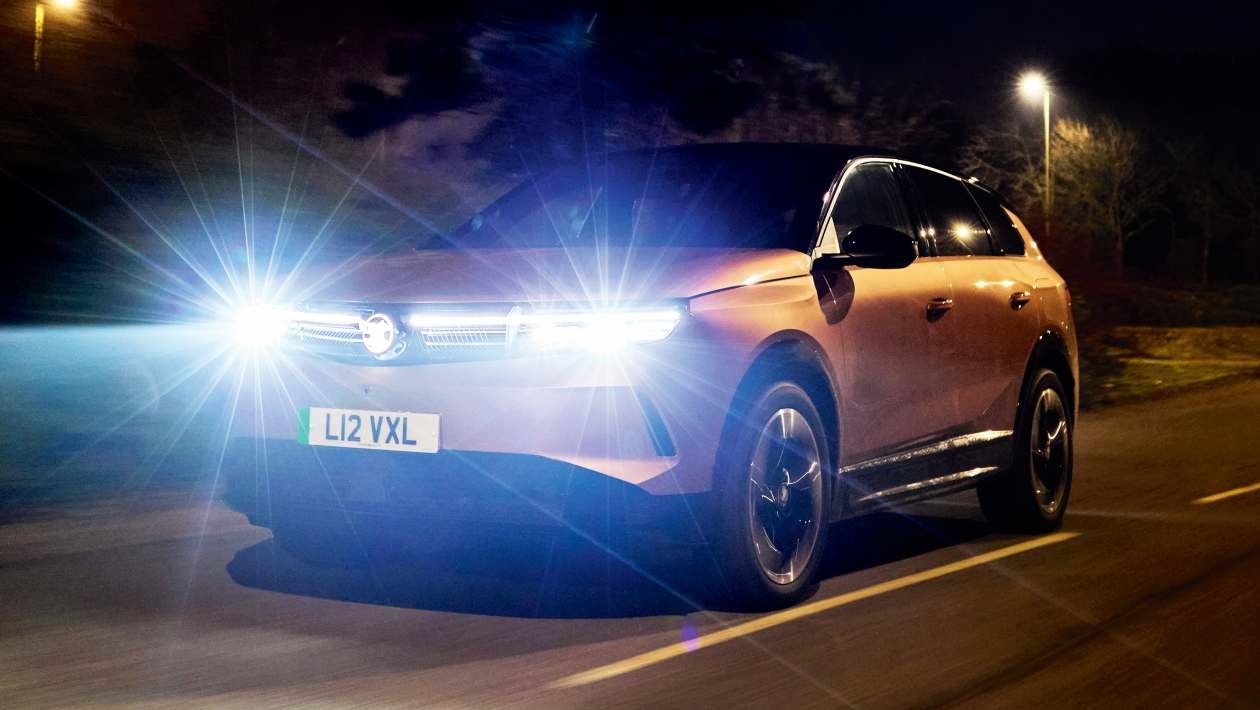
The shift from halogen to LED headlights has been swift. LEDs can be 150–300% brighter, offering drivers a clearer view of the road, especially at night. Adaptive matrix technologies, like Vauxhall’s Intelli-Lux HD, further enhance this by dynamically adjusting beams to avoid dazzling other road users. Studies show drivers feel safer and less stressed with these systems, with some 43% more likely to drive at night with them.
Despite these benefits, the reality on the road is different. A recent RAC survey found that 57% of drivers believe headlight dazzle has worsened in the last year alone. The problem isn’t just brightness; LED lights emit a bluer, whiter light that mimics daylight closely, increasing glare compared to warmer halogen hues.
Regulations Lag Behind Technology
Current UK regulations, based on lab measurements of light intensity rather than real-world luminance (the amount of light hitting the driver’s eye), are insufficient for modern headlights. The Department for Transport acknowledges this issue, with ongoing investigations into potential legislation changes.
The Human Factor and Technological Limits
Even advanced adaptive systems aren’t perfect. A test drive with Vauxhall’s Intelli-Lux HD headlights resulted in three instances of oncoming drivers being dazzled, despite the system’s ability to shut off individual elements. Stellantis admits such glitches can occur, though they claim they happen in fewer than 1% of cases.
The core issue is that technology can’t always replicate human judgment. A car appearing suddenly around a corner may still dazzle another driver because the system doesn’t have the intuition to approach cautiously.
A Balancing Act
The debate boils down to a trade-off: improved visibility for drivers versus potential discomfort and safety risks for others. While headlight glare contributed to only 216 collisions in 2023, the fear of being dazzled can deter some from driving at night.
Manufacturers, like Vauxhall, are exploring AI-driven solutions to refine adaptive systems. The Government is considering stricter regulations, including limits on blue light emissions, to address the issue. Ultimately, brighter doesn’t automatically mean better; finding a balance between visibility and glare is crucial for road safety.