BMW is preparing a mid-cycle update for its flagship 7-Series sedan, set to debut at Auto China in Beijing next month. The facelift promises a bolder front end and a significant tech upgrade, borrowing features from the brand’s upcoming “Neue Klasse” platform.
Design Changes: The Grille Gets Even Bigger
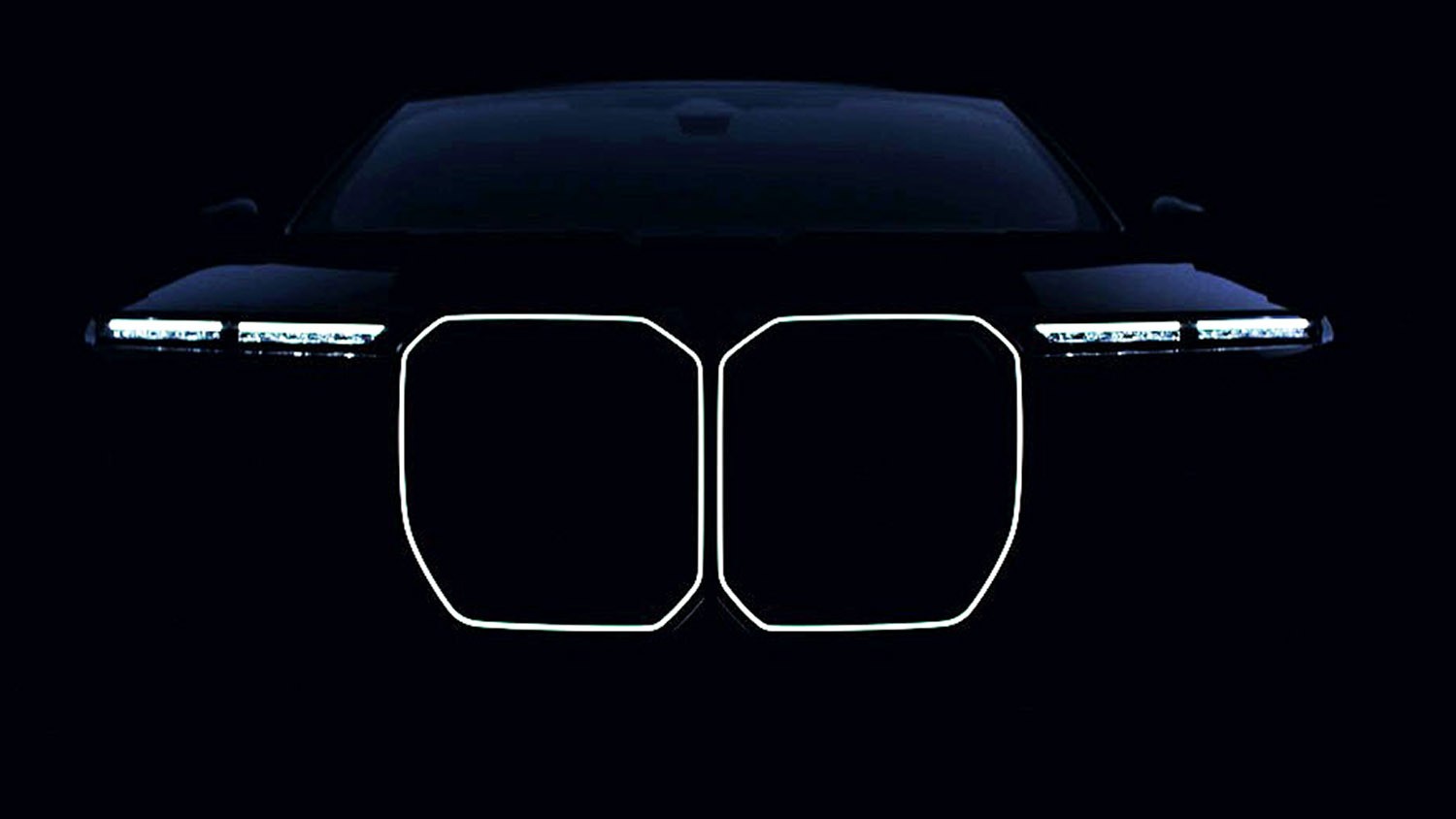
The teaser images confirm a redesigned front fascia. Daytime running lights are now slimmer and more horizontal, framing a dramatically larger, more squared-off illuminated kidney grille. Spy shots suggest the grille slats will transition from vertical to horizontal, adding to the imposing look. The split headlight arrangement remains, though the lower clusters appear slightly reduced in size.
The rest of the car — its long wheelbase silhouette and rear bumper — will receive standard facelift touches: updated LED taillights, minor bumper revisions. The core shape stays familiar.
Neue Klasse Tech: What This Means
The bigger story is inside. BMW will integrate several next-generation digital systems from its Neue Klasse lineup into the 7-Series. Expect the BMW Panoramic Vision, a wide pillar-to-pillar display, and the new iDrive X operating system.
Behind the scenes, BMW plans to integrate four central computing units — dubbed “Superbrains” internally — to handle major vehicle functions. This represents a serious leap in processing power. However, the car will not switch to the Neue Klasse platform itself; it will retain the current CLAR architecture.
The 7-Series will remain available with gasoline, plug-in hybrid, and fully electric (i7) options, likely with minor powertrain refinements. A new variant from BMW’s Alpina sub-brand is also expected.
Competition and Context
This update arrives as BMW faces growing pressure from rivals. Mercedes recently unveiled a heavily refreshed S-Class, and Chinese automakers like Huawei-backed Maextro are entering the luxury sedan market with new offerings. The 7-Series facelift is designed to reassert BMW’s dominance in this segment.
The move to integrate Neue Klasse tech into an existing model is unusual, yet strategic. It allows BMW to test and deploy these features in a current-generation vehicle before fully committing to the new platform. This could accelerate the rollout of advanced digital systems across the wider BMW lineup.
The 7-Series update is more than just a cosmetic refresh; it’s a bridge between BMW’s current and future technology.