The UK government is reconsidering a planned increase in fuel duty, originally scheduled for September, as global oil prices surge due to escalating tensions in the Middle East. Prime Minister Keir Starmer confirmed the pause is “under review” following price spikes triggered by the conflict in Iran.
Зміст
Background: Temporary Relief and Planned Reintroduction
A 5p cut to fuel duty was first implemented in March 2022 as a response to the economic fallout from the war in Ukraine. While intended as a temporary measure, the autumn 2025 Budget outlined a phased reintroduction, beginning with a 1p rise in September 2026, followed by additional 2p increases in December and March 2027.
Oil Price Fluctuations and Immediate Impact
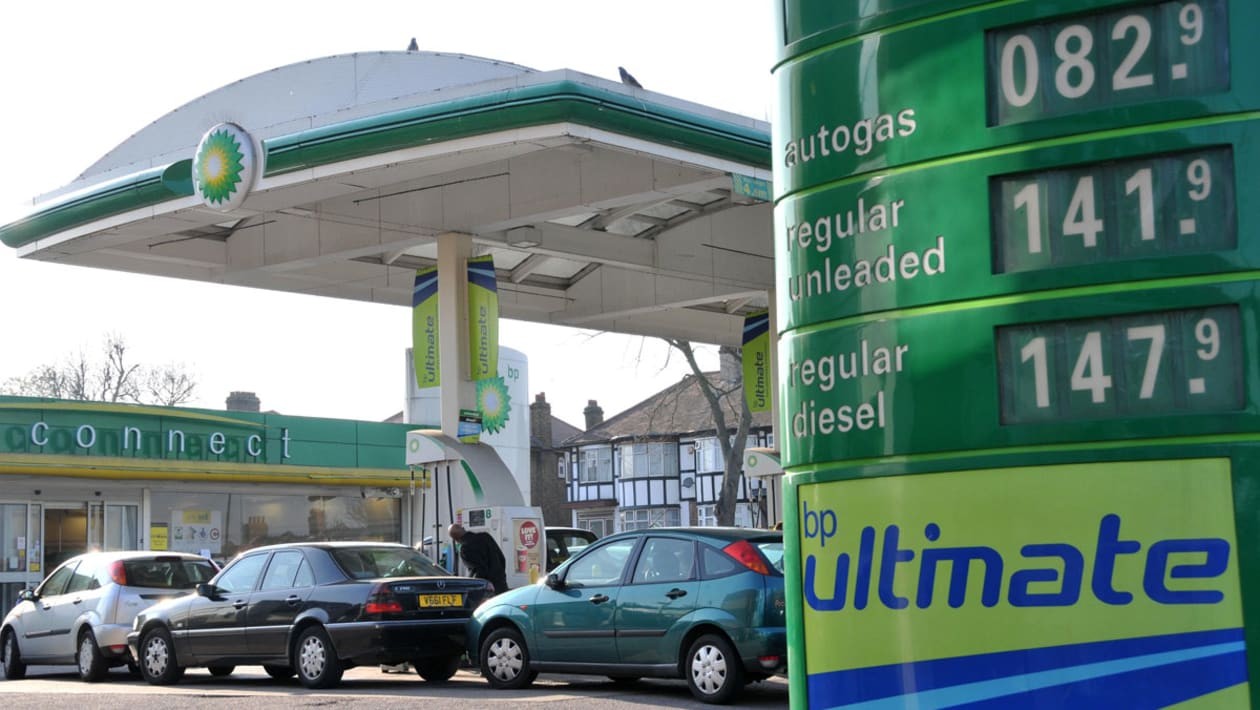
Oil prices briefly peaked at $119 per barrel on Monday – the highest level since early 2022 – before settling around $89 on Wednesday. Despite this correction, the impact on consumers is already evident: between February 28th and March 10th, the average petrol price rose from 133.83p to 138.96p per litre. This translates to roughly an extra £2.75 per tank for a typical family car. Further increases are anticipated.
Political Pressure and Alternative Proposals
Opposition parties, particularly Reform UK led by Nigel Farage, are calling for the complete cancellation of the planned fuel duty increases. Farage criticized the proposed levies, suggesting they are imposed by politicians disconnected from the financial realities of everyday drivers. Reform proposes offsetting these costs by scrapping the Electric Car Grant and reducing spending on Carbon Capture projects.
Broader Energy Implications
Beyond petrol prices, rising Liquified Natural Gas (LNG) prices threaten to push up electricity costs as well. While the energy price cap remains fixed at 5.74p/kWh for gas and 24.67p/kWh for electricity through April, wholesale costs are expected to rise significantly by July, potentially making electric vehicle charging more expensive.
The government’s hesitation on fuel duty reflects the delicate balance between fiscal policy and the immediate economic pressures faced by consumers amid geopolitical instability. The situation remains fluid, and further volatility in oil markets could force more drastic measures.