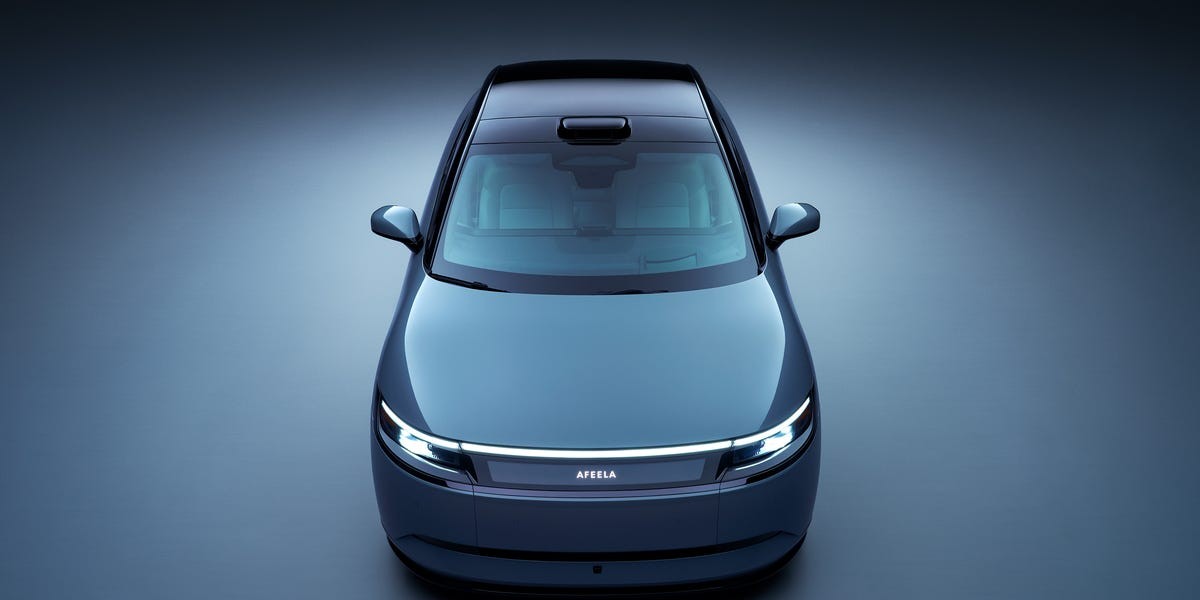
Honda has abruptly canceled plans for three all-electric vehicles originally slated for production in the United States. This decision throws the future of the Afeela 1 – a joint project with Sony – into question, despite initial assurances from the companies. The move signals a broader shift in the automotive industry, where EV demand is not growing as rapidly as once predicted, and where manufacturers are re-evaluating their electrification strategies.
Зміст
The Afeela 1’s Uncertain Future
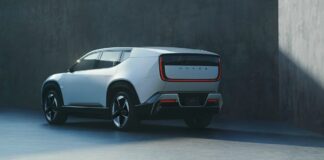
The Afeela 1, developed in partnership between Honda and Sony, was intended to roll off the assembly line at Honda’s Ohio plant this year. While Sony Honda Mobility maintains it is “operating as usual,” the parent companies will need to address how this reversal impacts the project. The situation is especially concerning given that Honda had already invested heavily in retooling its Ohio facilities for EV production, including the East Liberty, Marysville, and Anna plants.
Why Honda Changed Course
Honda’s decision stems from a slowing EV market, influenced by relaxed fossil fuel regulations and reduced EV incentives. Sales growth has stalled, forcing the automaker to prioritize gasoline and hybrid vehicles—which still dominate customer demand. This is a pragmatic response to market realities. Honda intends to continue building these more popular vehicles at its Ohio plants, suggesting the Afeela 1 may receive lower production priority, if it proceeds at all.
A Pricey Gamble?
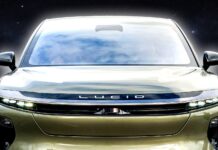
The Afeela 1 is positioned as a luxury EV, with a base price of around $89,900. While it offers respectable performance (around 400 horsepower and 300 miles of range), it faces stiff competition from rivals like the Lucid Air, which provides more range for a lower price. The car’s key selling point – advanced driver-assistance systems and a high-tech cabin with entertainment features – may not be enough to justify its premium cost for many consumers.
What Happens Next?
Honda’s pullback on EVs doesn’t automatically kill the Afeela 1, as some tooling is already in place. However, production volumes may be limited, and the project could be scaled back or even discontinued if the market doesn’t improve. The Afeela 1’s fate now depends on how Honda and Sony navigate these challenges.
The situation highlights a crucial turning point in the EV transition. It shows that even major automakers are willing to adapt their plans quickly when facing economic headwinds. The Afeela 1 may still enter production, but it could end up as a niche product rather than the revolutionary vehicle its creators once envisioned.