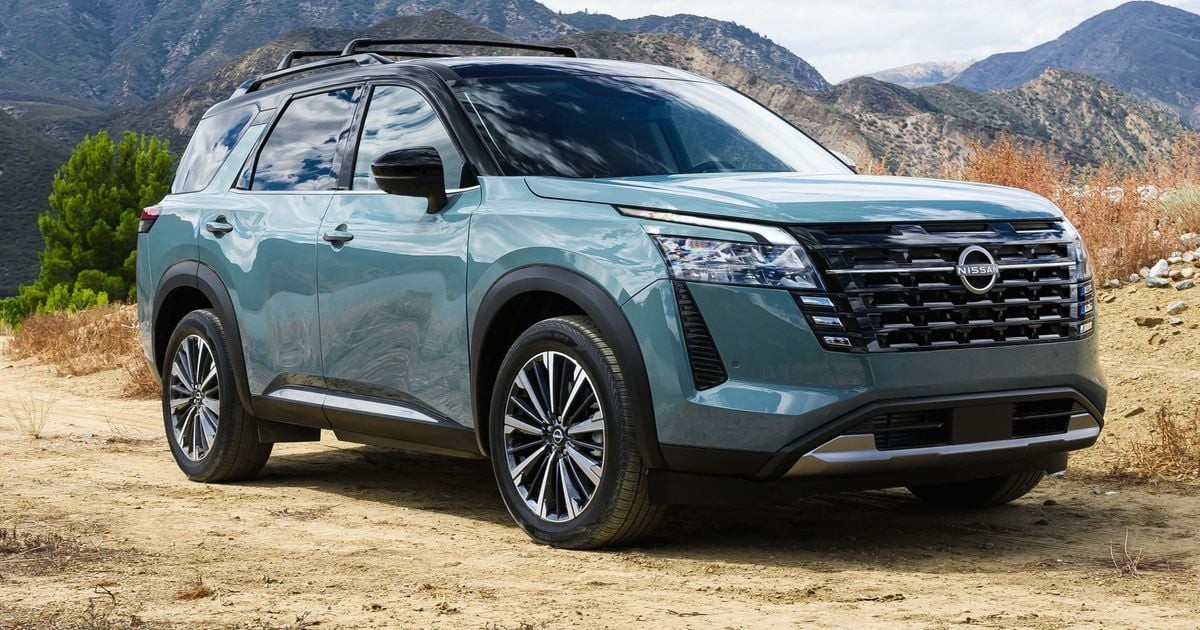
Nissan is streamlining its Australian lineup, discontinuing the Pathfinder and Juke models as the company refocuses on vehicles with stronger sales potential. The decision, confirmed by outgoing managing director Andrew Humberstone, marks a shift toward prioritizing “scale and mass” in the local market.
Strategic Portfolio Adjustment
The move comes amid declining sales figures for both vehicles; fewer than 740 units of each were sold in Australia last year. Humberstone explained that the changes are part of a broader restructuring of Nissan’s product portfolio, beginning with the Navara and Patrol, and extending to future releases. The Pathfinder, originally launched in Australia in 1986, evolved from a rugged, ute-based SUV to a more mainstream family vehicle.
Future Product Plans: Hybrid Focus
While a new, off-road-focused Pathfinder was reportedly under development in the U.S., Nissan is currently not planning to pursue similar ventures. Instead, the company is prioritizing hybrid technology, with potential interest in models like the Nissan Kicks, currently available in Japan with a hybrid powertrain.
There is also some consideration for a return to sedans and hatchbacks, segments that have recently seen renewed interest in Australia. Nissan is keeping options open, with dealer feedback suggesting potential demand for such vehicles.
Leveraging Global Partnerships
Nissan is also exploring opportunities through its joint venture with Dongfeng in China, potentially introducing the N6 plug-in hybrid sedan to the Australian market. The N6 offers a competitive combination of battery capacity and petrol engine, positioning it as a larger alternative to the Toyota Camry hybrid.
The company’s agility in accessing cost-effective platforms and managing exchange rates will be key to rapid market adaptation, with a two-year timeframe for potential product launches.
“We want to be able to react within a couple of years as opposed to three or four or five years,” Humberstone stated, highlighting Nissan’s commitment to responsiveness.
Nissan’s decision reflects a broader industry trend toward consolidation and strategic alignment. By shedding underperforming models and focusing on high-volume segments, the company aims to secure its future in the Australian market and capitalize on emerging opportunities in hybrid and potentially resurgent sedan/hatchback categories.