Renault is preparing to integrate gasoline engines into its next-generation electric vehicles (EVs) not to power the wheels directly, but to extend their range significantly. This strategy, once avoided by the French automaker, will allow certain models to travel up to 870 miles (1,400 kilometers) without refueling—more than doubling the distance compared to purely electric options.
Зміст
The Rise of Range Extenders
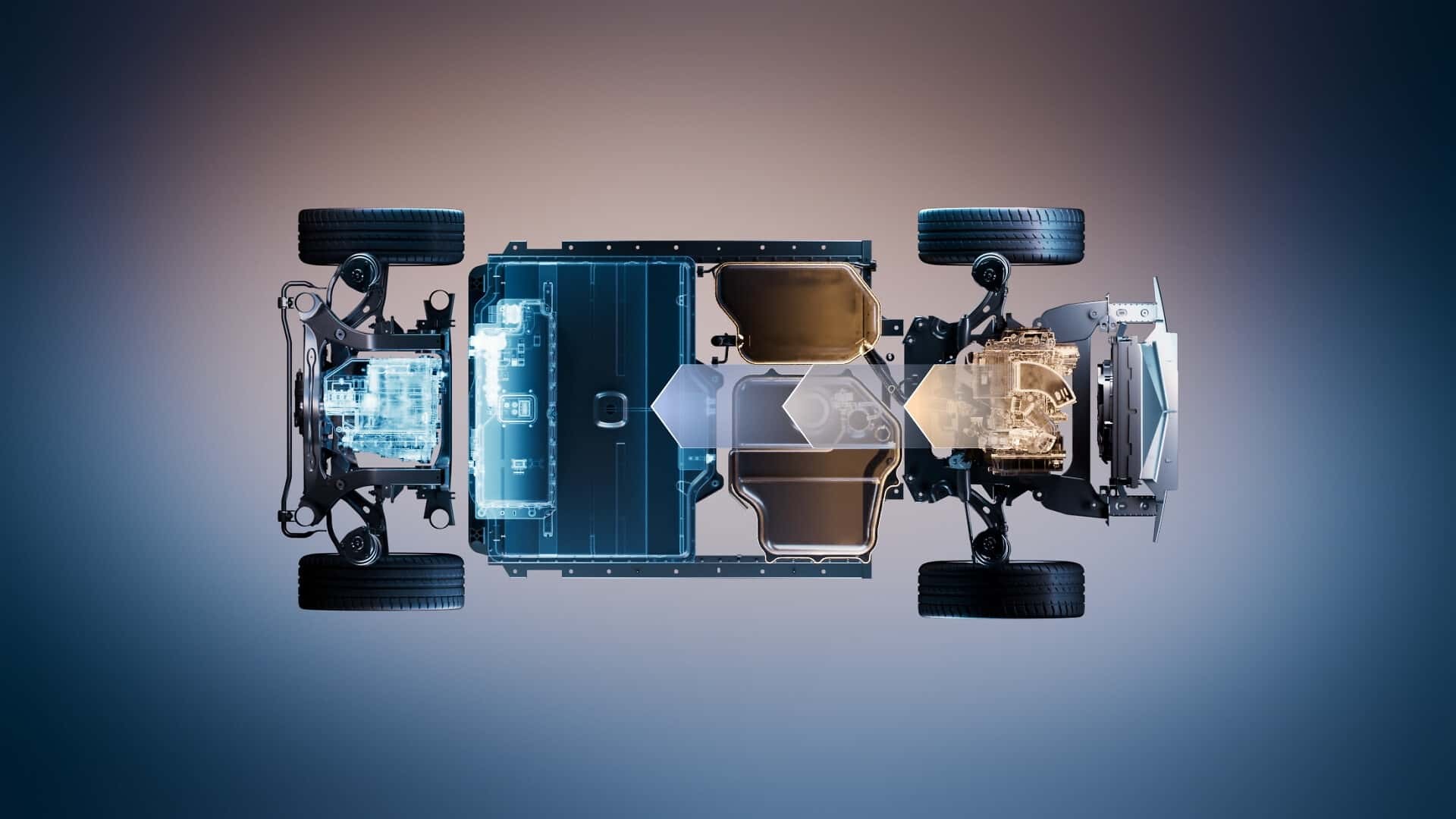
For years, Nissan has quietly sold EVs with range extenders, essentially small combustion engines that act as onboard generators. Renault has now confirmed it will follow suit with its new “RGEV Medium 2.0” platform, designed for compact and midsize cars.
The core idea is simple: the gasoline engine doesn’t drive the car; it charges the battery when needed, offering a practical solution to range anxiety. This approach could prove especially appealing in regions where charging infrastructure is unevenly distributed.
Key Specs and Targets
Renault aims for a pure EV range of nearly 470 miles (750 kilometers) on the WLTP cycle. Adding a range extender boosts this to 870 miles, with emissions claimed to be under 25 grams per 62 miles—helping the company meet European regulations. The platform will be versatile, accommodating sedans, SUVs, and even minivans (potentially reviving the Espace people mover).
Beyond range, Renault is also focusing on ultra-fast charging. The 800V architecture will enable significant range gains in just 10 minutes, making long trips more feasible. The company also plans 4×4 versions with up to two metric tons of towing capacity.
Cost Savings and Electrification Goals
Renault hopes to cut development costs by up to 40% with this platform. The C and D segments (covering 30% of its sales) will be the first to benefit, launching in Europe by 2028. The company has set an ambitious goal: all cars sold in Europe will be either hybrids or EVs by 2030. This includes a “second wave” of next-generation hybrid vehicles alongside the range-extending EVs.
Why This Matters
The move towards range extenders suggests a growing acceptance that purely electric solutions aren’t always practical for all consumers. While battery technology improves, and hybrids become more efficient, the reality is that charging infrastructure still lags in many areas. A gasoline-powered EV offers a middle ground: the benefits of electric driving with the security of an onboard backup.
Volkswagen is also exploring similar technology, and the VW-owned Scout brand will sell range-extended trucks and SUVs in the United States. Whether customers will embrace this added complexity remains to be seen, but Renault is betting it’s a necessary step toward widespread EV adoption.