BMW will continue producing its iconic straight-six and V8 engines, despite looming emissions regulations. The company’s M division boss, Frank van Meel, has confirmed they are actively updating these powerplants to meet Euro 7 standards, ensuring their survival for the foreseeable future. This decision comes amid increasing pressure on automakers to shift towards electric vehicles.
The Fight to Keep Combustion Alive
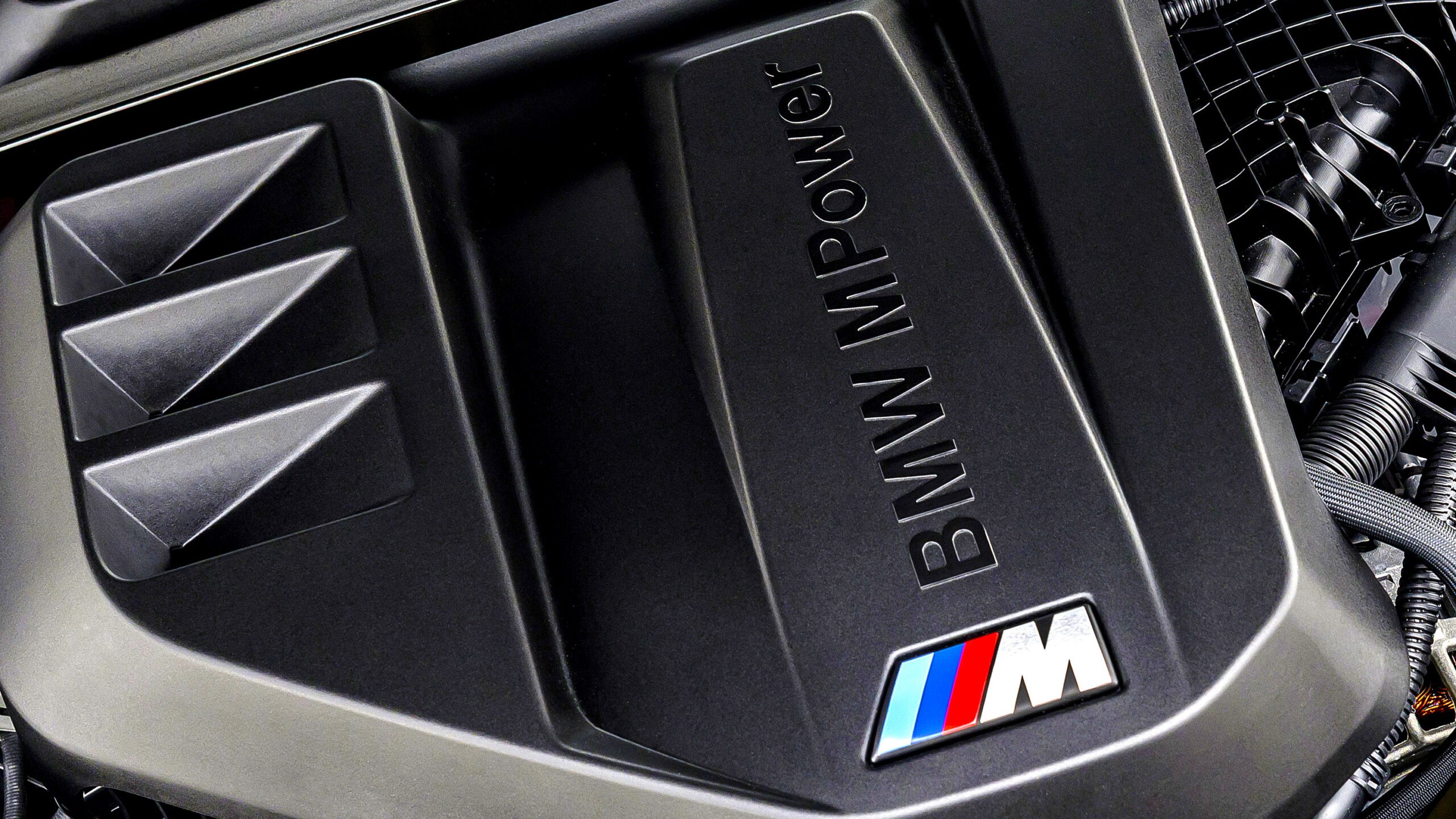
The automotive industry faces a critical transition. Stricter environmental regulations – such as Euro 7 – threaten high-performance combustion engines. BMW’s commitment to updating its V8 and inline-six engines signals that the brand isn’t ready to abandon its performance legacy. Van Meel stated, “We said we don’t want to give up the combustion engine, so we’re currently bringing our six-cylinder inline engine and the V8 to Euro 7 standards, and that will happen this year.”
What’s Changing? Power Trade-offs
Meeting new standards will likely require compromises. The latest BMW M5 already demonstrates this: its V8 output was reduced from 576 hp to 536 hp as part of a plug-in hybrid conversion to meet stricter emissions. However, the combined system output remains at 717 hp due to electric motor assistance.
Similar power adjustments could affect the inline-six, which currently produces up to 543 hp in high-performance models like the M3 CS. The trade-off is simple: to remain viable, these engines must adapt, even if it means sacrificing some raw horsepower.
Customer Demand Drives Strategy
BMW’s approach is customer-centric. Van Meel emphasizes that the company will continue producing gasoline cars “as long as there is demand.” This strategy allows for a flexible future where both electric and combustion powertrains co-exist.
“The split strategy is always right because it answers… the demands of our customers, and you always have to listen to your customers.”
The next M3 is expected to offer both electric and gasoline options, demonstrating BMW’s willingness to cater to diverse preferences. The company has learned from recent shifts in the market and is now prioritizing customer feedback over rigid long-term plans.
Ultimately, BMW’s survival strategy hinges on the desires of its buyers. As long as demand persists, these legendary engines will live on – even if they need to be tamed slightly to meet modern regulations.