BAIC, a leading Chinese automaker, has announced significant progress in the development of sodium-ion batteries. This move underscores a broader trend among Chinese EV manufacturers to diversify battery chemistries beyond lithium, driven by cost concerns, supply chain vulnerabilities, and the need for improved cold-weather performance. The company’s latest advancements position sodium-ion technology as a viable alternative, particularly in specific market segments.
Rapid Charging and Extreme Temperature Resilience
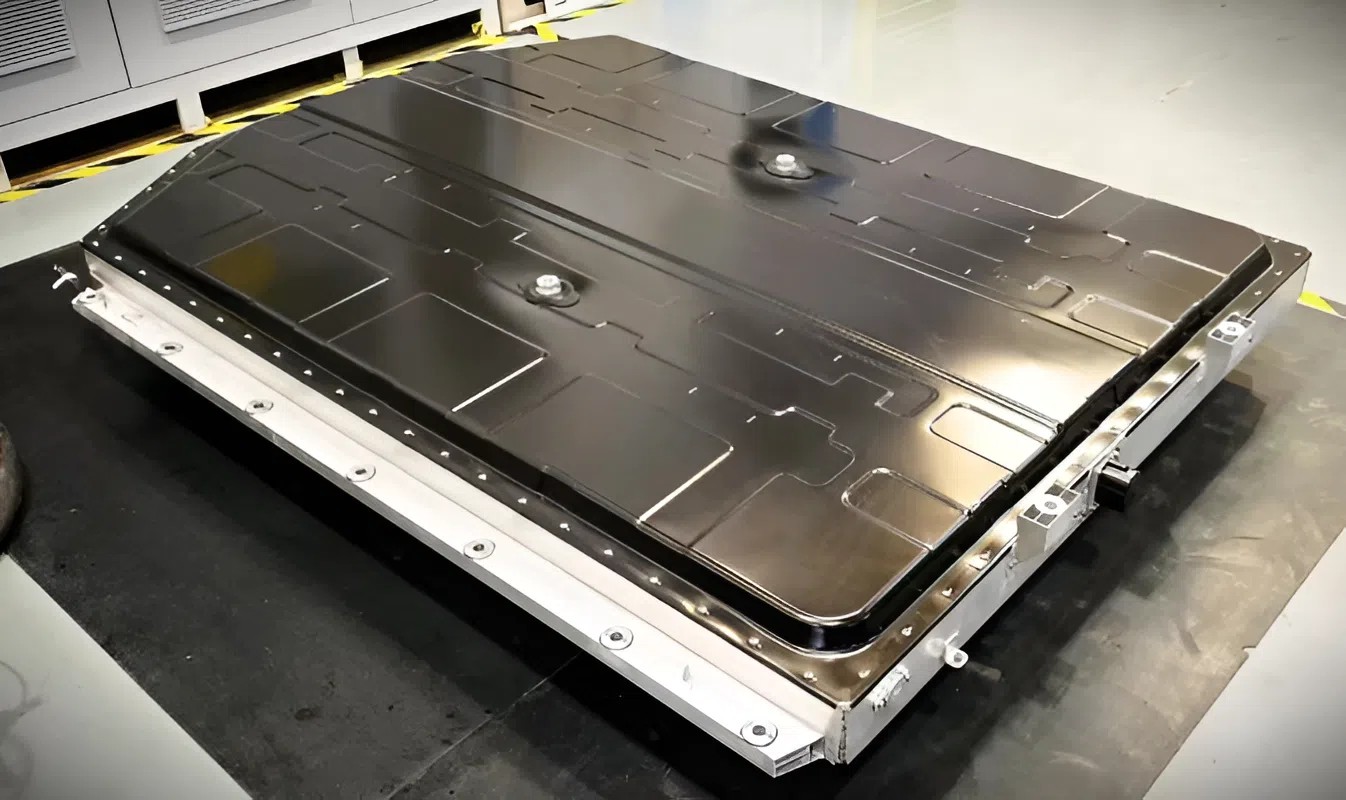
BAIC’s new sodium-ion battery sample boasts a full charge time of just 11 minutes —a remarkable figure that rivals even some fast-charging lithium-ion systems. Internal testing reveals an energy density of 170 Wh/kg, and crucially, the battery maintains over 92% energy retention at -20°C. This makes it uniquely suited for regions with harsh winters where lithium-ion performance degrades significantly.
The battery has also demonstrated high safety ratings, withstanding overcharge conditions up to 200% without combustion and remaining stable in thermal abuse testing at 200°C. These results suggest a more robust and potentially safer alternative to some lithium-based chemistries.
Scaling Production and Competitive Landscape
BAIC has completed process validation for mass production of prismatic sodium-ion cells, integrating electrolyte formulation, cell design, and system integration. This is part of its larger “Aurora Battery” program encompassing lithium-ion, solid-state, and now sodium-ion technologies.
Other Chinese automakers are also heavily invested in sodium-ion:
- Changan and CATL plan to launch the first mass-produced sodium-ion passenger EV in mid-2026, with a 45 kWh battery targeting over 400 km of range.
- BYD is developing a third-generation sodium-ion platform with up to 10,000 charge cycles.
This competition highlights the increasing momentum behind sodium-ion as a practical, scalable solution.
Why Sodium-Ion Matters
Sodium-ion batteries offer a compelling advantage over lithium in raw material availability. Sodium is far more abundant and cheaper to extract than lithium, reducing supply chain risks and potentially lowering battery costs. The improved cold-weather stability is another key benefit, making these batteries ideal for colder climates. However, sodium-ion currently lags behind in energy density, meaning that for the same weight, a sodium-ion battery will store less energy than a comparable lithium-ion battery.
BAIC has filed 20 patents covering materials, design, and testing methods, indicating a long-term commitment to refining the technology. The company continues to invest in materials science and vehicle adaptation, with no firm timeline yet for commercial vehicle applications.
The shift toward sodium-ion represents a strategic diversification for China’s EV industry, reducing reliance on lithium and paving the way for more affordable, resilient battery solutions. While still in pre-commercial stages, BAIC’s advancements suggest that sodium-ion batteries are poised to play an increasingly significant role in the future of electric mobility.