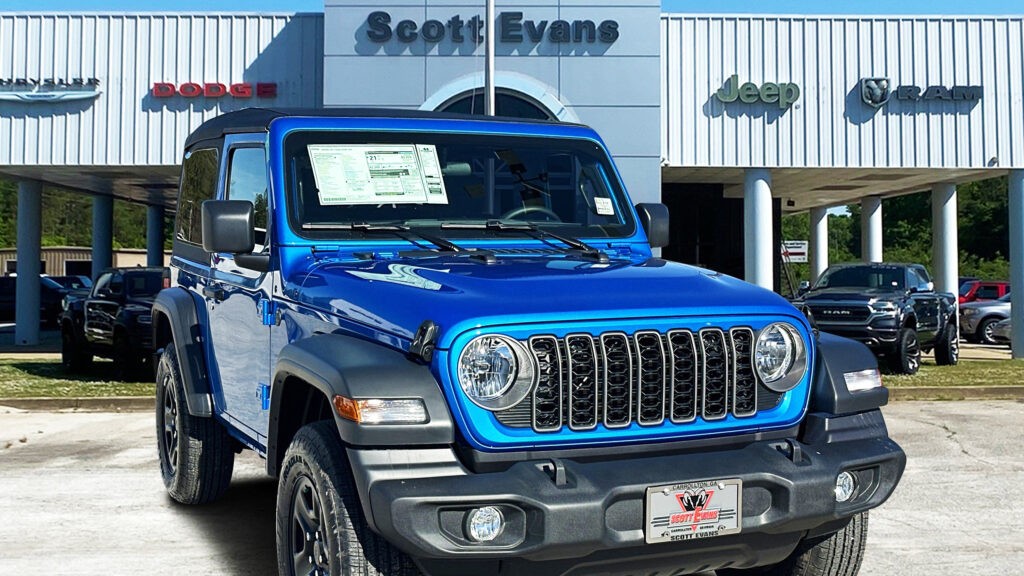
A Georgia family is demanding a full refund from Scott Evans Jeep after their deceased father, an 83-year-old man with diagnosed dementia, allegedly purchased a new Jeep Grand Cherokee for nearly $70,000. The case raises questions about dealerships exploiting vulnerable adults and whether standard sales practices adequately protect individuals with diminished mental capacity.
The Sale and Missing Person Report
According to Alicia Miller, the daughter of the deceased, James Benson, a salesman visited his senior living facility following an advertisement response. Benson, who did not have a valid driver’s license and had not driven in years, later went missing for 30 hours after telling his wife he was going to the store. He returned the next day having apparently completed the vehicle purchase. The family now believes the sale was exploitative, given his documented dementia.
Questionable Consent and Financial Burden
The loan was co-signed by Benson’s wife, who also suffers from memory issues and reportedly does not recall the transaction. After Benson’s death in February, his widow was moved to a mental health facility and now bears the financial responsibility for $750 monthly payments on the Jeep. This underscores the potential long-term consequences for vulnerable individuals and their families when questionable sales occur.
Dealership Response and Legal Implications
The dealership has offered a partial refund of approximately $3,000 but refuses a full return of the $5,000 deposit or the vehicle itself. When confronted, Scott Evans Jeep allegedly stated they “didn’t discriminate against the elderly.” This statement, while legally defensible on the surface, ignores the ethical implications of selling a high-value item to someone with a known cognitive impairment.
This case highlights the need for stricter oversight of car sales involving elderly or mentally vulnerable individuals. While dealerships may operate within legal boundaries, ethical considerations should prevent such transactions from occurring in the first place.
The family’s pursuit of a full refund could set a precedent for similar cases, forcing dealerships to implement more robust verification processes for customers with known cognitive disabilities. The long-term financial burden on Benson’s widow also raises concerns about predatory lending practices in the auto industry.