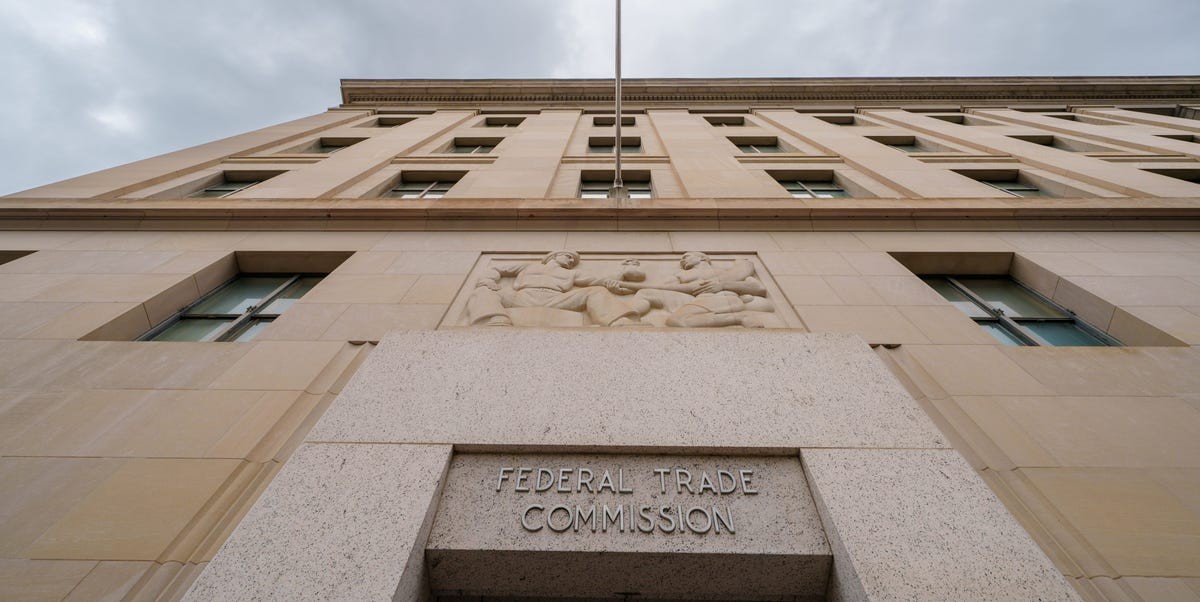
The United States Federal Trade Commission (FTC) is now actively pursuing car dealerships that continue to advertise vehicles after they have already been sold. This enforcement began in mid-March with warning letters sent to 97 dealership groups, citing potential violations of advertising practices.
The Problem: Misleading Ads and Potential Fines
The core issue is transparency. Dealerships have been accused of leaving vehicle listings online even after a sale, potentially drawing customers in under false pretenses. The FTC can levy fines up to $50,000 per violation, making this a serious financial risk for dealerships.
The FTC’s reluctance to specify an exact removal timeline is deliberate. According to Adam Crowell, chief legal and strategy officer at the compliance firm KPA, “Not taking down the listings in a timely fashion certainly could be an issue.” The agency wants to avoid providing what it considers legal advice, instead letting dealerships interpret the rule as swiftly as possible.
Why This Matters: Consumer Trust and Market Integrity
The FTC’s move is a direct response to complaints about misleading practices. When customers drive to a lot expecting to see a specific vehicle, only to find it’s gone, it erodes trust in dealerships and the broader automotive market.
While some dealerships may keep ads up hoping customers will still consider alternative vehicles, the FTC is prioritizing consumer protection. The agency’s actions signal a broader trend toward greater oversight of online advertising, particularly in sectors where bait-and-switch tactics are common.
What Dealerships Need to Do
To comply, dealerships must prioritize quick ad removal when a vehicle is sold. Although the FTC hasn’t provided a specific deadline, the financial stakes (up to $50,000 per infraction) incentivize immediate action. Compliance firms like KPA are already advising dealerships to streamline their processes to avoid potential fines.
The FTC has yet to respond to requests for comment, but its enforcement actions speak clearly: transparency in vehicle listings is now a top priority. Dealerships that fail to comply risk significant financial penalties and a loss of consumer trust.