Genesis, Hyundai’s luxury division, is planning a rapid expansion in North America with 22 new or significantly updated vehicles slated for release by 2030. This move signals the brand’s ambition to compete directly with established luxury giants like BMW and Mercedes-Benz.
Beyond Luxury: A Calculated Strategy
The announcement, made at the New York International Auto Show, isn’t just about volume. Genesis intends to shake up the luxury market by offering not only entirely new models but also refreshed versions of existing ones, along with specialized trims and powertrain updates. This approach means consumers will see a mix of fresh designs and refined iterations of current favorites.
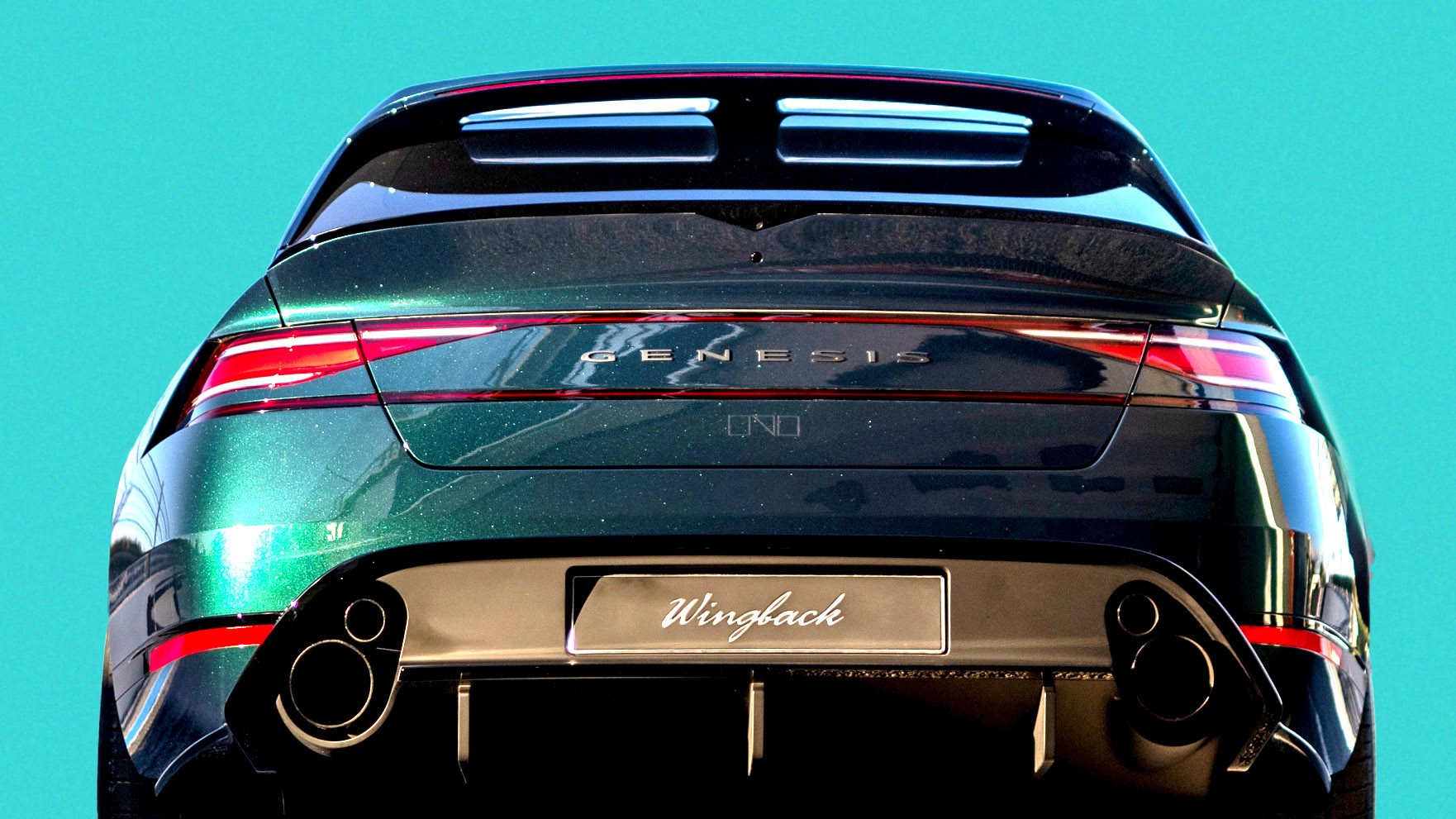
The brand’s growth strategy acknowledges the need for both high-performance and practical options. Speculation suggests that Genesis will explore niche derivatives, potentially including Magma performance variants and electrified models to cater to a broader range of buyers. There’s even discussion of leveraging Hyundai’s new body-on-frame platform for more rugged, luxury-focused vehicles – possibly a premium take on the Boulder concept or even a pickup truck variant.
Cars Are Not Dead
Notably, Genesis reaffirms its commitment to passenger cars. While the future of models like the G70 remains uncertain, rumors suggest ongoing development, keeping enthusiasts hopeful. Consumers can also anticipate updates to the G80 and G90, ensuring Genesis retains a diverse lineup.
Localized Production for Increased Responsiveness
Genesis’s expansion is backed by a larger $26 billion investment from Hyundai Motor Group in the United States. This includes plans for a new steel mill in Louisiana and a robotics innovation hub. The goal is not just to sell more vehicles in North America but also to increase localized production and parts sourcing. This strategic move will allow Genesis to react faster to market demands, tailoring its offerings to American and Canadian consumers more effectively.
Genesis’s aggressive product roadmap reflects a clear intention to establish itself as a major player in the luxury automotive segment, going beyond the image of a “fancier Hyundai.” The move toward localized production further solidifies this commitment, ensuring greater flexibility and responsiveness to regional preferences.