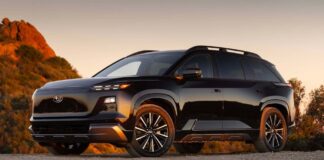
Land Rover and Chery have unveiled the Concept 97, a striking preview of the first model from the newly established Freelander brand. The vehicle, named in homage to the original Freelander’s 1997 debut, merges retro design cues with modern technology, signaling a bold strategy for the reborn marque.
Design Echoes of the Past
The Concept 97 deliberately evokes the first-generation Freelander, with boxy proportions and circular wheel arch protectors – hallmarks of the original SUV. Styling elements from the second-generation Freelander are also integrated, creating a familiar yet contemporary aesthetic. This deliberate nod to the past isn’t just nostalgia; it leverages the strong brand recognition and positive associations with the original Freelander, a vehicle that successfully entered the compact SUV segment pioneered by the Toyota RAV4.
The design choice is strategic. The Freelander was known for its distinctive boxy shape, comfortable interior, and surprising off-road capability for its class. By reviving this look, the new brand taps into that established appeal.
Tech Integration and Production Realities
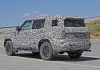
The concept boasts a pillar-to-pillar windscreen display and a large central infotainment touchscreen with physical controls, showcasing a commitment to both advanced technology and user-friendly interfaces. Notably, the concept features rear-hinged “suicide” doors for ease of access, although leaked crash test images suggest the production model will use conventional doors—a pragmatic adjustment for safety and manufacturing efficiency.
The production version will leverage Chery’s T1X platform, offering both plug-in hybrid and all-electric powertrains. Tech partnerships include Qualcomm for infotainment systems, Huawei for advanced driver assistance, and CATL for battery packs. This highlights a reliance on established Chinese tech firms to drive innovation and cost efficiency.
Global Ambitions from a Chinese Base
Freelander will launch exclusively in China with 60 stores across 50 cities. While overseas expansion remains unconfirmed, the company asserts its intent to redefine the global automotive landscape, positioning Freelander as a bridge between legacy brands and a new era of Chinese automotive dominance. The company’s ambition is clear: to compete “over a century,” not just in short-term sales figures.
The revival of Freelander isn’t just about nostalgia; it’s a calculated move to capitalize on a recognizable brand while leveraging Chinese manufacturing and tech expertise. The move signals a shift in the automotive industry, where established brands are partnering with Chinese firms to navigate a rapidly evolving market. This collaboration could reshape how legacy automakers compete globally.