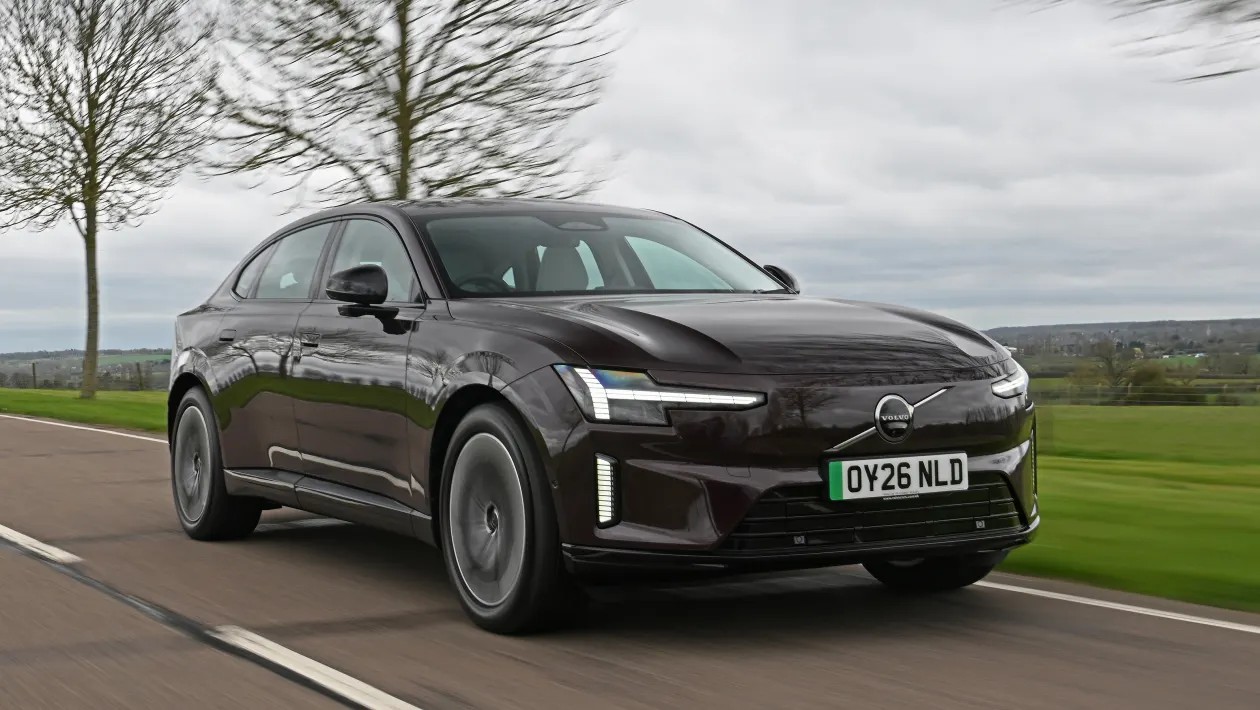
Volvo has entered the all-electric executive car market with the ES90, a striking fastback designed to compete with established players like Mercedes-Benz and BMW. While sharing core technology with the EX90 SUV and Polestar 3, the ES90 distinguishes itself with a sleeker profile, prioritizing aerodynamic efficiency and a refined driving experience. This marks a significant departure from the outgoing S90 saloon, reimagining Volvo’s flagship model for the modern electric age.
Зміст
Key Features and Performance
The ES90 lineup begins with the Single Motor Extended Range model, offering a rear-wheel-drive layout and a 92kWh battery, capable of up to 411 miles on a single charge. Stepping up to the Twin Motor variant introduces all-wheel drive and a larger 106kWh battery, while the Performance version delivers even greater power. All models come exceptionally well-equipped, with Volvo’s advanced safety systems standard across the range.
Price points begin around £68,000 for the base model, with higher trims reaching up to £86,000 for the Performance variant. Despite the premium pricing, early indications suggest availability may be limited, though competitive financing options are expected.
Driving Dynamics and Comfort
The ES90 prioritizes comfort over outright sportiness. Its suspension, particularly in higher-spec air suspension models, provides a plush ride, isolating passengers from road imperfections. The electric powertrain ensures near-silent operation at all speeds.
However, handling is not a strong suit. The ES90’s considerable weight (over 2.3 tons) makes it feel cumbersome in corners, with vague steering and limited feedback. While performance figures (0-62mph in as little as 4.0 seconds for the Performance model) are impressive, the car is better suited for long-distance cruising than spirited driving.
Interior and Technology
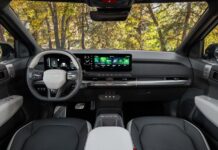
Inside, the ES90 borrows heavily from the EX90 SUV, featuring a minimalist Scandinavian design with high-quality materials. The centerpiece is a large 14.5-inch portrait touchscreen running Volvo’s Google-based operating system. This system is responsive and integrates seamlessly with Google services, but some functions (like climate controls) are accessed via touch-sensitive panels, which can be distracting while driving.
The ES90’s interior offers plenty of comfort, but rear headroom is somewhat limited, and the high floor affects seating position. Despite this, the fastback body style enhances practicality with a larger hatchback-style rear opening.
Range, Charging, and Running Costs
The ES90 boasts competitive range figures, with the Single Motor Extended Range model claiming up to 411 miles on a full charge. Real-world efficiency is solid, though actual mileage may vary depending on driving conditions.
Charging times are respectable, with the 800-volt electrical system allowing for rapid DC charging at up to 310kW (though few public chargers currently support this rate). Insurance costs are high, starting in group 44, while depreciation is also significant, with early estimates suggesting a loss of up to 45.5% in the first year.
The Verdict
The Volvo ES90 represents a bold step forward for the Swedish automaker, offering a compelling alternative in the luxury EV segment. Its focus on comfort, technology, and safety makes it a strong contender for buyers prioritizing refinement over raw performance. However, its high price tag, limited handling agility, and somewhat cramped rear seating may deter some potential customers.
The ES90’s success will depend on Volvo’s ability to secure sufficient production capacity and offer attractive incentives to overcome initial cost barriers. Ultimately, it’s a stylish and capable EV that signals Volvo’s commitment to an all-electric future.