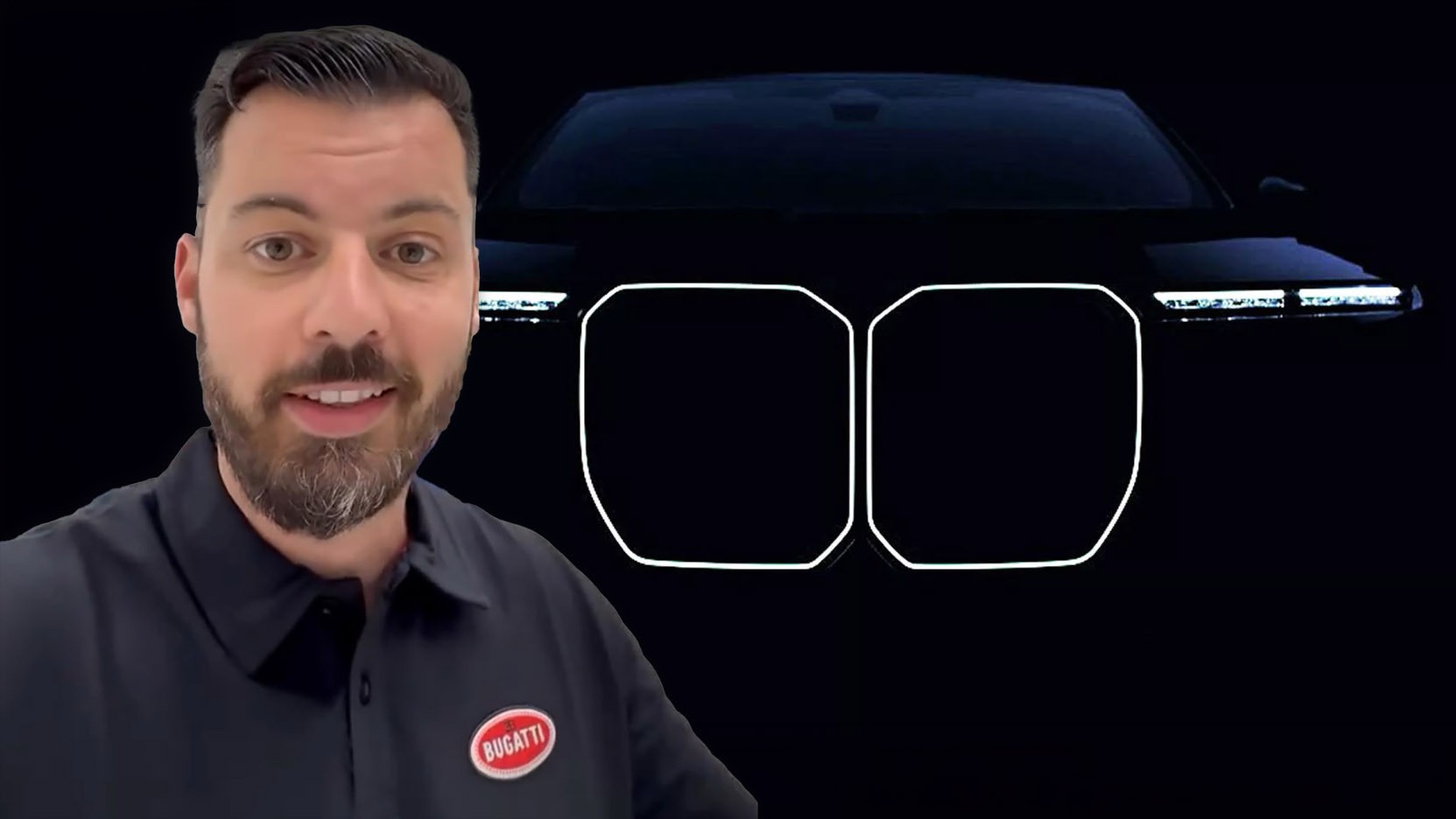
The automotive landscape is witnessing a full-circle moment as Rimac Technology transitions from a niche high-performance specialist to a critical Tier-1 supplier for one of the world’s most established luxury automakers. BMW has officially confirmed that Rimac will supply the high-voltage battery systems for the upcoming facelifted i7, marking a massive scale-up in the Croatian firm’s industrial capabilities.
Зміст
A Full-Circle Evolution
For Mate Rimac, CEO of Rimac Group, this partnership is more than just a business contract; it is a testament to the rapid evolution of the electric vehicle (EV) industry. The journey began in 2009 with a modified BMW E30 3-Series—a project born in a garage. Today, Rimac’s technology serves as the backbone of BMW’s flagship electric sedan.
This transition highlights a broader trend in the automotive sector: specialized EV startups are becoming the architects of core technology for legacy giants. As traditional manufacturers race to master electrification, they are increasingly relying on agile, tech-focused companies like Rimac to provide the high-performance components necessary to compete in a rapidly changing market.
Engineering the Future: The New Battery System
The upcoming i7 battery is not merely a replacement of old parts; it represents a significant leap in electrochemical architecture. Key technical details include:
- Advanced Cell Chemistry: The system integrates BMW’s Gen6 cell chemistry with a Gen5 module-based architecture.
- Cylindrical Innovation: Moving away from traditional prismatic cells, the new system utilizes 4695-format cylindrical lithium-ion cells.
- Performance Gains: This shift provides a 20% boost in energy density, which BMW claims will result in significantly increased driving range and much faster charging speeds.
By incorporating these advancements, BMW is effectively bringing its “Neue Klasse” philosophy—the brand’s next generation of electric mobility—to its flagship luxury sedan ahead of schedule.
Industrial Scale and Economic Impact
The scale of this collaboration is unprecedented for the region. The battery production process is a massive logistical undertaking:
- Development & Manufacturing: The battery was developed in Jankomir, Croatia, and is produced at Rimac’s massive 90,000-square-meter campus in Zagreb.
- Global Supply Chain: Once completed, the battery packs are shipped to BMW’s assembly plant in Dingolfing, Germany.
- Production Capacity: The facility is designed to produce 300,000 modules per year, which translates to approximately 50,000 full battery systems annually.
The financial investment underscores the importance of this project. The dedicated production line for the BMW i7 battery cost €130 million ($150 million) —a figure that actually exceeds the €120 million cost of building the entire Rimac campus itself. This investment makes the operation one of the largest industrial projects in Croatian history.
Why This Matters
This partnership serves as a blueprint for the future of automotive manufacturing. It demonstrates how high-performance engineering can be scaled from boutique hypercars (via Bugatti Rimac) to mass-market luxury production. For BMW, it secures cutting-edge battery technology; for Rimac, it provides the industrial volume necessary to cement its status as a global leader in EV components.
“Together, we developed a high-voltage battery system that unlocks the full potential of new cylindrical cells in record time,” noted Mate Rimac.
In summary, Rimac’s move from modifying BMWs to powering them represents a shift from enthusiast-driven innovation to large-scale industrial dominance, setting a new benchmark for electric range and charging performance in the luxury segment.