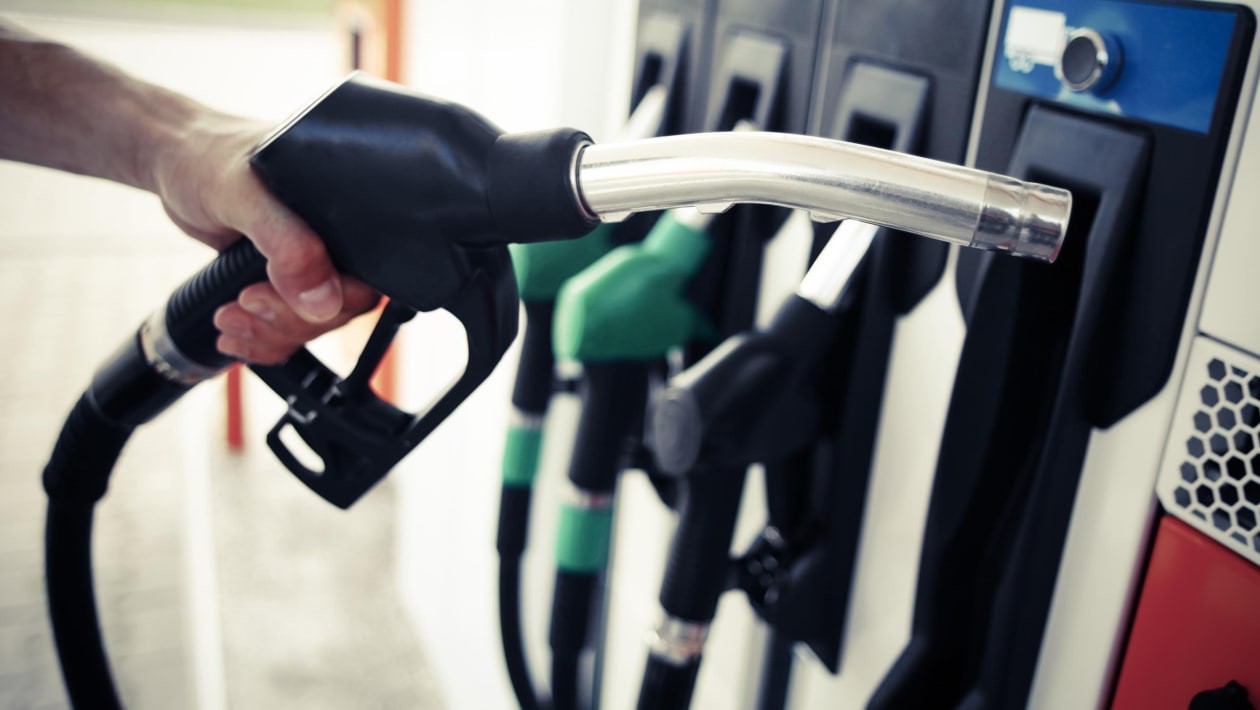
The rapid escalation of fuel prices in the UK is beginning to lose momentum. As a fragile ceasefire in the Middle East holds, wholesale oil prices have retreated, offering a potential reprieve for motorists. However, recent data reveals that the initial shock of the conflict triggered a wave of panic buying that cost British drivers hundreds of millions of pounds.
Зміст
A Slowdown in Price Increases
Recent figures from the RAC’s Fuel Watch indicate that the pace of rising costs is decelerating. Between Monday, April 6, and Friday, April 10, petrol prices rose by 1.9p and diesel by 3.3p per litre. This represents a significant slowdown compared to the previous week, when prices jumped by 3.9p and 6.7p, respectively.
The primary driver behind this cooling trend is the stabilization of global oil markets.
– Crude Oil Trends: Brent crude has fallen back below the $100 mark.
– Wholesale Impact: As wholesale costs drop, there is a growing expectation that retail pump prices may eventually follow suit.
The “Rocket and Feather” Concern
While the slowing rate of increase is a positive sign, experts warn that lower wholesale costs do not always translate immediately to cheaper fuel at the pump.
The Competition and Markets Authority (CMA) is closely monitoring a phenomenon known as “rocket and feather” pricing. This occurs when retailers react instantly to rising wholesale costs by hiking pump prices (the “rocket”), but are much slower to lower them when costs fall (the “feather”).
“While price increases might be inevitable because of rising wholesale costs, it is important that those increases reflect genuine cost pressures,” warned Juliette Enser, Executive Director for Markets at the CMA.
This regulatory scrutiny is vital because March saw unprecedented volatility, with petrol and diesel prices rising by 20p and 40p per litre, respectively—the largest monthly increase ever recorded.
The High Cost of Panic Buying
Beyond the direct impact of rising oil prices, consumer behavior has played a significant role in the recent market volatility. Data from New Automotive suggests that the fear of shortages and price spikes led to a massive surge in demand.
Key findings regarding recent driving trends include:
– Increased Sales: Petrol sales were 30% higher than typical levels during the height of the conflict.
– Diesel Spikes: Despite a general decline in diesel popularity in the UK, sales saw a visible spike at forecourts.
– Financial Impact: The RAC estimates that drivers spent an additional £307 million on fuel due to the combination of rising costs and panic-driven purchasing.
Ben Nelmes, CEO of New Automotive, noted that while March is traditionally a high-volume month due to new car deliveries, this year was uniquely driven by consumers rushing to “beat the rise” in prices and reacting to unverified rumors of fuel shortages.
Current Market Snapshot
As of Friday, April 10, the average UK fuel prices remain elevated:
– Petrol: 158.16p per litre
– Diesel: 191.31p per litre
– Brent Crude: Approximately $95 per barrel
Conclusion
While the cooling of wholesale oil prices offers hope for more stable fuel costs, the long-term impact on the consumer depends on whether retailers pass these savings on or maintain high margins through “rocket and feather” pricing patterns.