Nissan is currently navigating a complex transition period, attempting to balance a high-tech future driven by Artificial Intelligence with the reality of a shifting global economy. While the automaker is rolling out a diverse lineup of internal combustion, hybrid, and electric vehicles—including a new Rogue and a redesigned Juke—a significant tension has emerged: the desire to provide affordable transportation versus the economic reality of making it profitable.
Зміст
The Disappearing Budget Segment
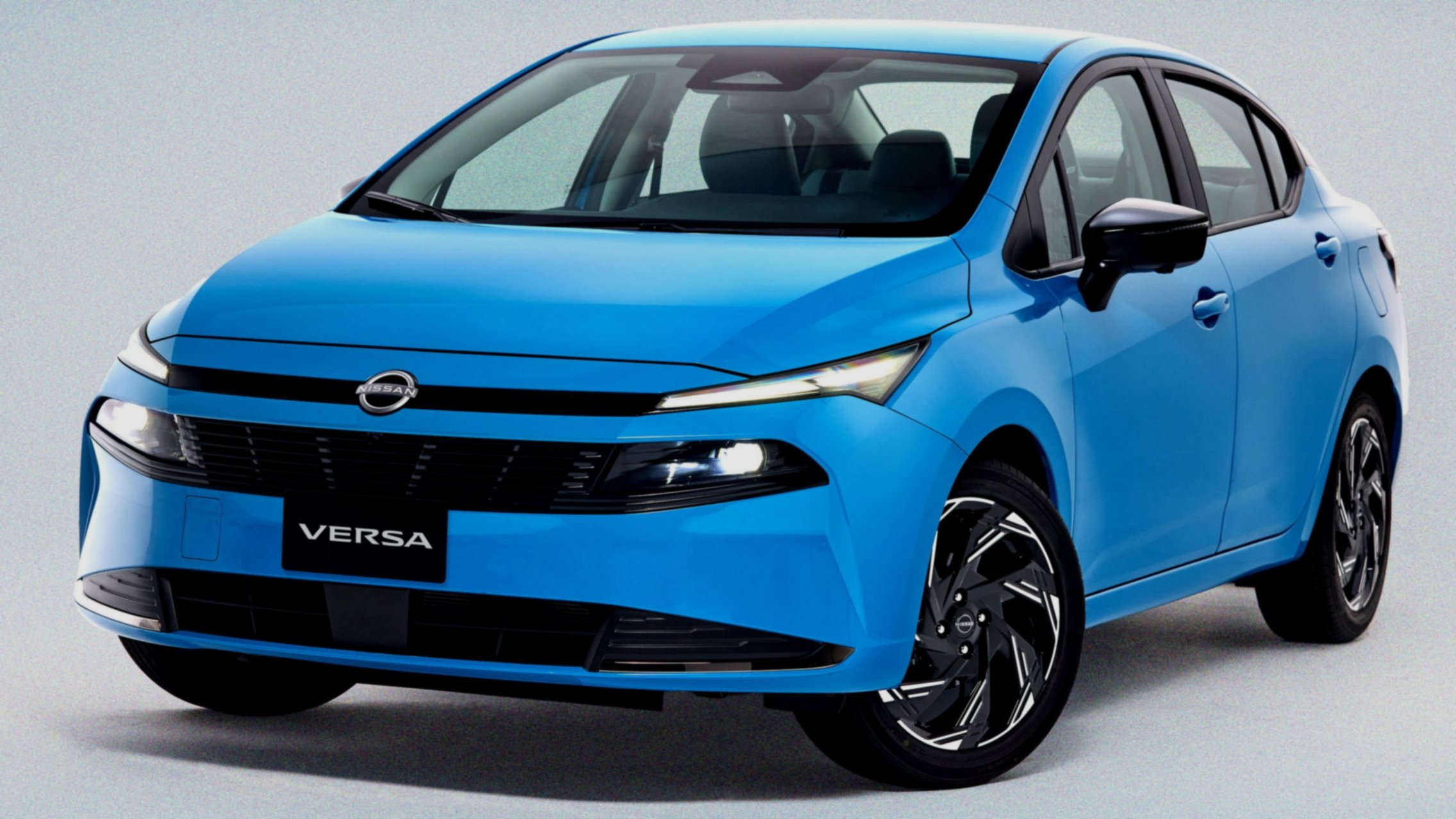
For years, the “ultra-affordable” car was a cornerstone of the mass market. However, Nissan is already seeing the impact of this segment shrinking in key regions. A prime example is the Nissan Versa. While a new version is being produced in Mexico, the model has been discontinued in the United States for 2025.
This move highlights a growing trend in the automotive industry: as production costs rise and consumer preferences shift toward SUVs, the traditional budget sedan is becoming increasingly difficult to sustain.
The Tariff Trap
During a recent presentation regarding Nissan’s comeback strategy, CEO Ivan Espinosa addressed the central dilemma facing the company. While there is clearly still a high demand for vehicles in the $18,000 range, the “context” of the current global economy makes fulfilling that demand a massive challenge.
The primary obstacle? Tariffs.
“There’s demand—the question is how to get to the right price,” Espinosa noted, pointing to the difficulty of navigating trade barriers and rising costs while trying to keep MSRPs low.
Tariffs act as a significant tax on the global supply chain. When manufacturers face higher duties on imported parts or finished vehicles, the cost of production spikes. For a budget car, where profit margins are already razor-thin, these additional costs can make a vehicle economically unviable to produce and sell.
Is There Still a Future for Sedans?
Despite the discontinuation of models like the Maxima and the upcoming phase-out of the Altima, Espinosa remains optimistic that sedans still have a place in the market. He suggests that the Nissan Sentra is successfully carving out a niche by moving slightly upmarket, occupying the space previously held by lower-trim Altima models.
Nissan is currently evaluating whether a new entry-level model—perhaps priced similarly to or slightly below the Nissan Kicks—could work. However, the decision rests on whether the company can find a way to navigate the following hurdles:
– Rising manufacturing costs due to new technologies.
– Trade volatility and shifting tariff policies.
– The consumer shift toward crossovers and SUVs.
Conclusion
Nissan finds itself caught between consumer demand for low-cost mobility and a global trade environment that makes low-cost production increasingly difficult. The company’s ability to successfully launch a new budget-friendly model will depend less on consumer interest and more on its ability to master the complexities of international trade and tariffs.