


The global automotive landscape is shifting rapidly as Chinese manufacturers seek to bypass rising trade barriers. In a move that highlights the growing tension between industrial preservation and economic pragmatism, Stellantis is reportedly exploring a partnership with Chinese automaker Dongfeng to utilize its underused European manufacturing facilities.
Зміст
The Strategic Dilemma: Tariffs vs. Capacity
The core of this potential deal lies in a complex geopolitical puzzle. As the European Union moves toward imposing higher tariffs on Chinese-made electric vehicles (EVs), Chinese automakers are looking for ways to establish a “local” presence. By manufacturing within Europe, these companies can avoid import penalties and gain easier access to the continental market.
For Stellantis, this presents a double-edged sword:
– The Opportunity: Partnering with firms like Dongfeng could fill idle production lines, reduce the overhead costs of maintaining empty factories, and generate new revenue streams.
– The Risk: Welcoming Chinese competitors into European plants could inadvertently subsidize the very companies that threaten the market share of Stellantis’s own legacy brands.
A History of Deindustrialization in Italy
While the specific plants involved in the Dongfeng talks remain unconfirmed, the context suggests a potential focus on Italy. The region has become a flashpoint for industrial tension within the Stellantis group.
Recent data and reports paint a sobering picture of the Italian automotive landscape:
– Production Slump: Over the last 17 years, production in Stellantis’s Italian facilities has reportedly plummeted by nearly 70%.
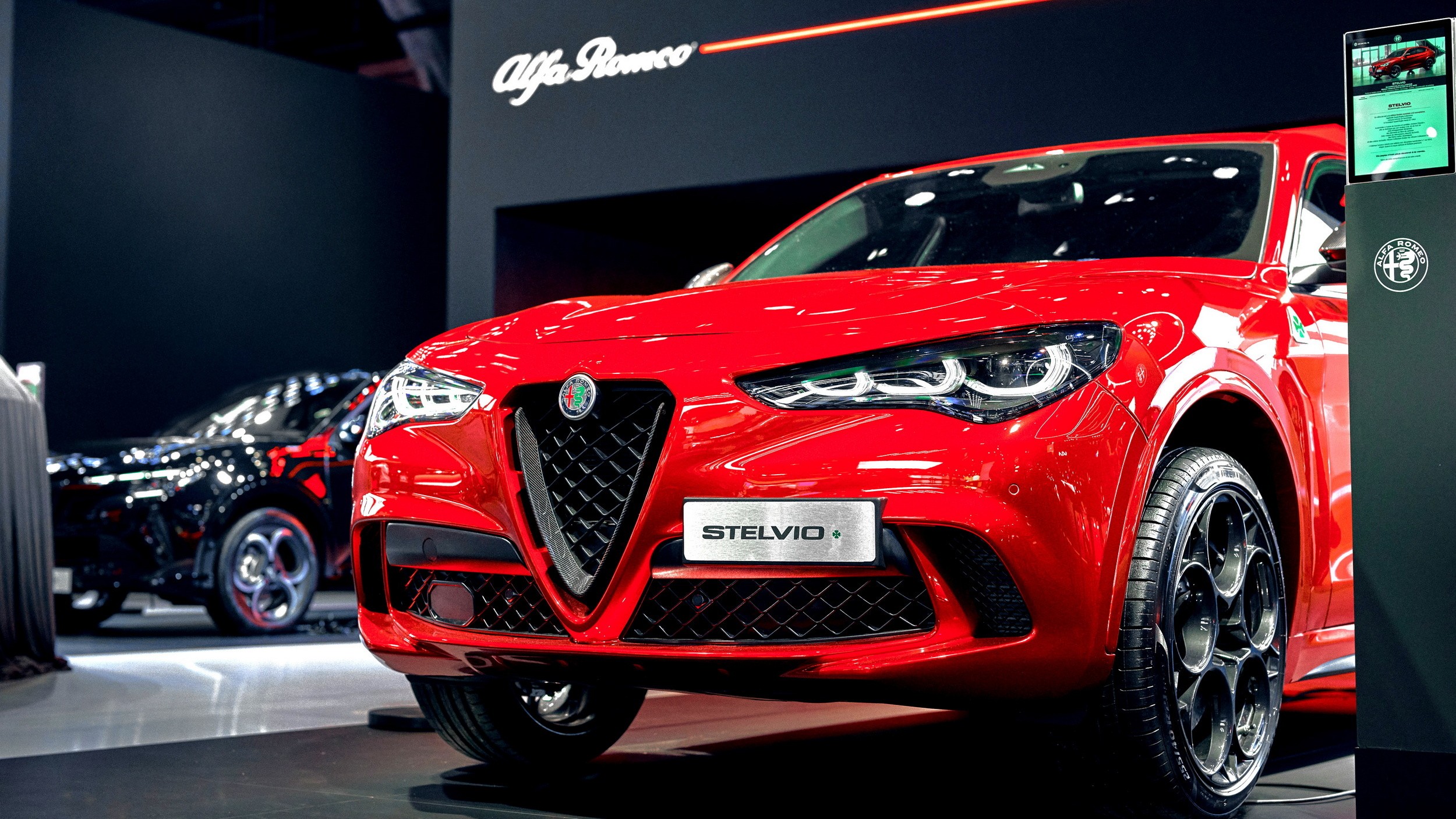
– Brand Struggles: High-end marques like Alfa Romeo and Maserati have faced significant challenges, contributing to the decline in local output.
– Labor Unrest: This contraction has fueled significant social friction, leading to widespread strikes across Italy in 2024.
If Stellantis moves forward with Dongfeng, it may be attempting to stabilize these struggling assets by pivoting from traditional manufacturing to a role as a host for global partners.
The “China Connection” and Existing Precedents
The potential deal with Dongfeng is not without historical precedent. Dongfeng has a long-standing relationship with the PSA Group—one of the foundational pillars of what is now Stellantis—which led to the creation of the Dongfeng Peugeot-Citroën Automobile joint venture.
Furthermore, Stellantis has already begun integrating Chinese expertise into its ecosystem. The company has established a successful relationship with Leapmotor, and has held discussions with other major Chinese players, including Xpeng and Xiaomi.
The reported visits by Dongfeng officials to sites in both Germany and Italy suggest that these discussions are moving beyond mere theory into active site assessments.
Conclusion
Stellantis is caught between the need to modernize its production footprint and the threat of foreign competition. By potentially opening its doors to Dongfeng, the company is attempting to turn its declining industrial capacity into a strategic bridge for Chinese manufacturers entering the European market.


