The Goodwood Festival of Speed is more than just a motorsport event; it is a global stage where automotive engineering meets high art. Each year, the festival is defined by a massive, singular sculpture positioned on the central lawn—a landmark that serves as the visual heart of the event.
In a recent discussion with Autocar, Charles Gordon Lennox, the 11th Duke of Richmond, pulled back the curtain on how this centerpiece is chosen, designed, and ultimately built.
Зміст
Selecting the Spotlight: Why Singer?
There is no rigid shortlist or predetermined rotation for selecting the year’s featured brand. Instead, the decision is driven by two main factors: significant automotive anniversaries or brand interest.
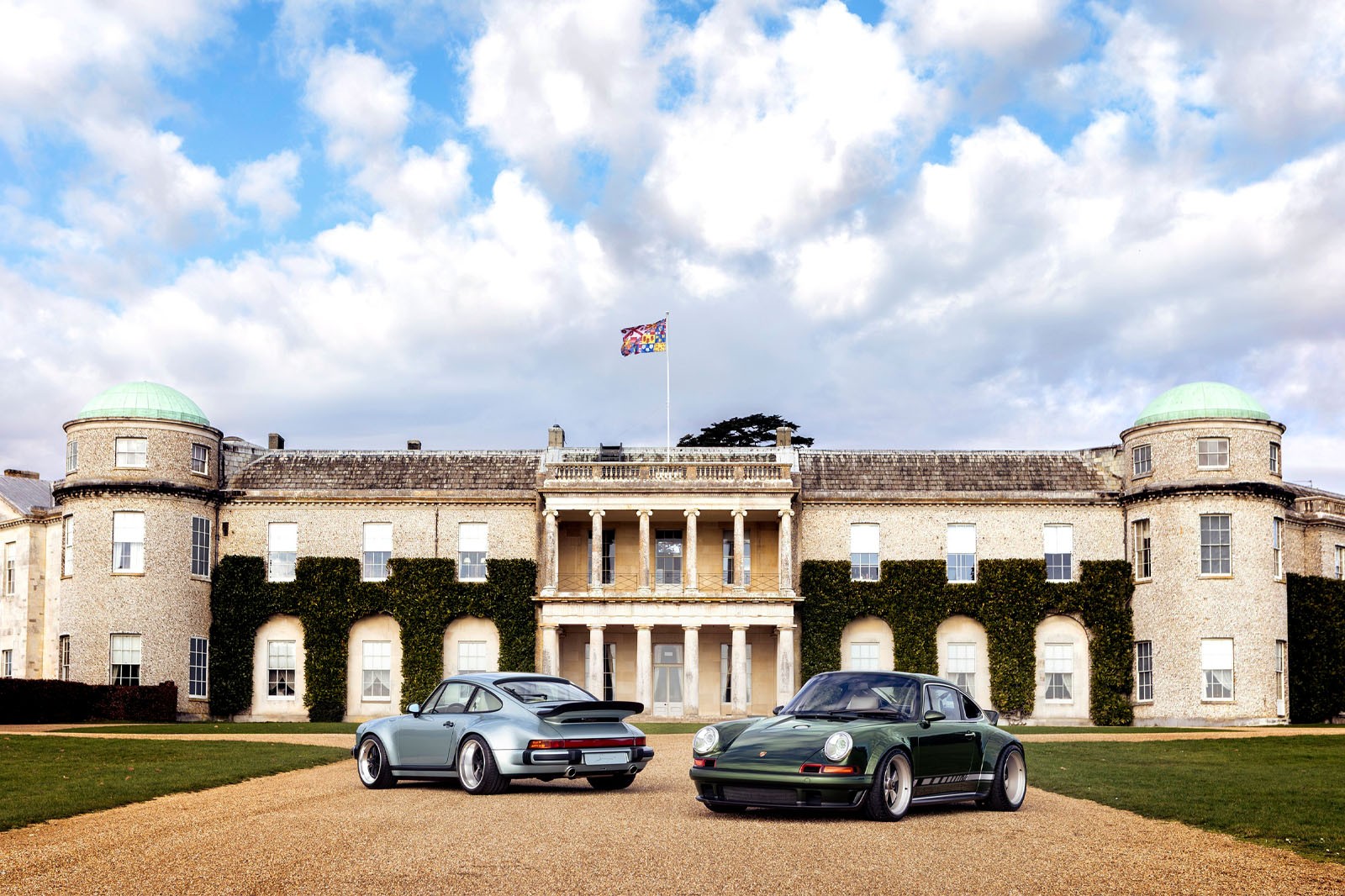
However, the final decision rests on a more subjective metric: emotional resonance. For the 2024 festival, the honor belongs to Singer, the renowned firm famous for its bespoke Porsche “restomod” projects.
“We felt Singer was the right moment to do it – and the cars are so popular, to see lots of them together, it’d be pretty spectacular.” — The Duke of Richmond
This choice highlights a broader trend in the automotive world: the shift from pure manufacturing toward bespoke craftsmanship. By centering the festival around a firm like Singer, Goodwood aligns itself with the growing collector interest in personalized, high-performance heritage vehicles.
From Artistic Vision to Engineering Reality
The transformation of a brand’s identity into a physical monument is a collaborative process involving three key players:
- The Artist: Designer Gerry Judah is the creative force behind these structures. Notably, the Duke points out that Judah is not a “car guy” but an artist. This distinction is vital; it allows the sculptures to transcend mere automotive displays and become works of art that capture the essence of a brand rather than just its mechanical specs.
- The Client: Once Judah presents a concept, the featured manufacturer has the opportunity to refine the design to ensure it aligns with their brand identity.
- The Estate: The Duke and his team act as the final filter, ensuring the vision is achievable.
The Practicality of Steel
While luxury brands often request ambitious materials like glass or carbon fiber to match their high-tech image, Goodwood prioritizes durability and sustainability.
The Duke noted that despite various requests, steel remains the preferred material. This choice is driven by two practical necessities:
* Engineering Integrity: Steel provides the structural stability required for towering, large-scale installations.
* Sustainability: In an era of increasing environmental scrutiny, Goodwood maintains a circular approach. Because the sculptures are steel, they are entirely recyclable. Once the festival concludes, the structures are destined to be melted down and repurposed, rather than discarded as waste.
Conclusion
The Goodwood centerpiece is a carefully choreographed intersection of brand storytelling, artistic expression, and pragmatic engineering. By prioritizing recyclable materials and artistic vision over mere spectacle, the festival ensures that its most iconic landmark remains both culturally relevant and environmentally responsible.